
This section focuses on:
- Describing the development of environmental movement
- Defining perspective and values using examples
- Describing and identifying EVS using surveys

Simulator
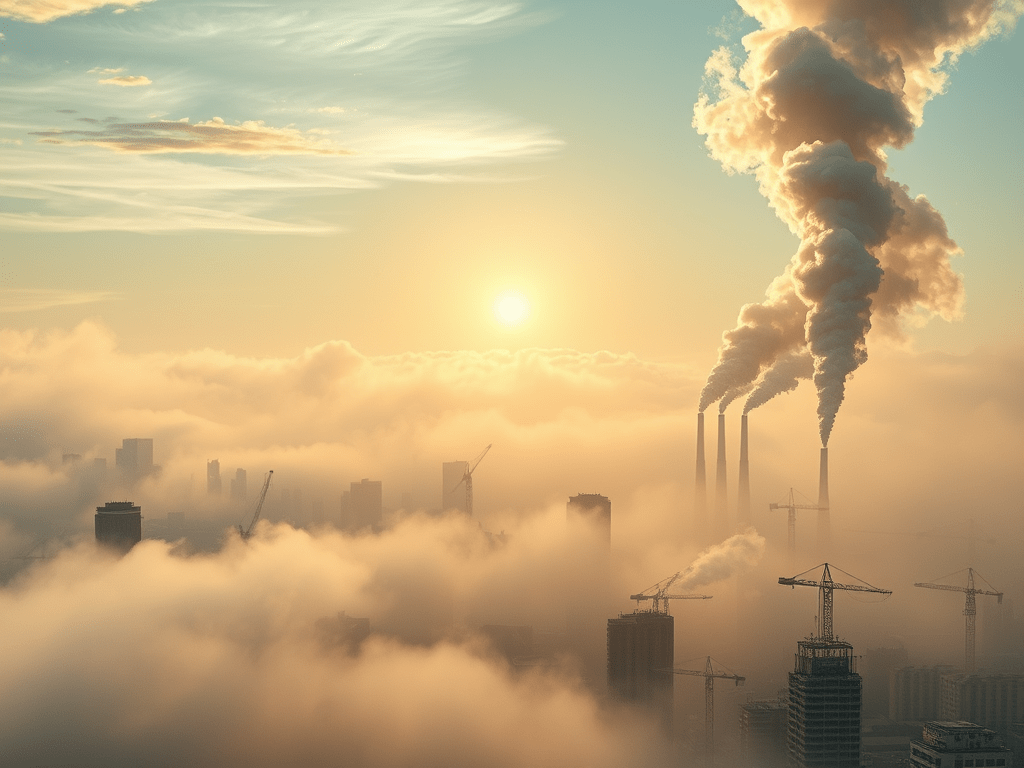
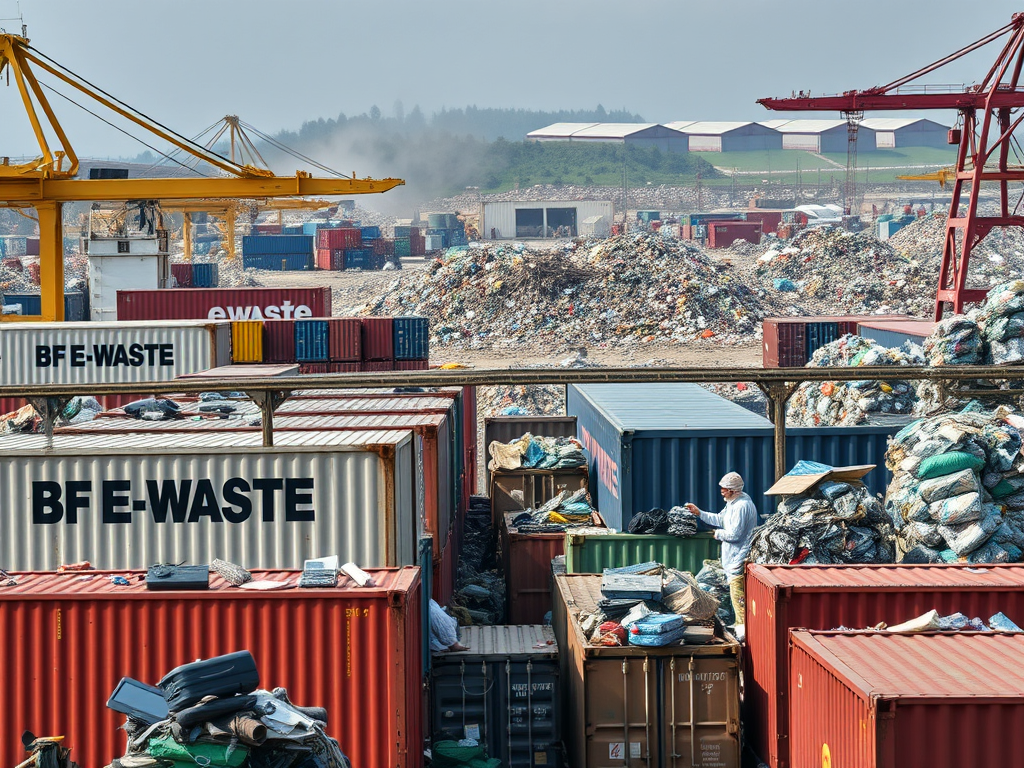
Invite a few friends to talk about these two questions:
- How does this picture make you feel?
- What does it make you think of?
An external stimulus affect someone’s value and later their perspective. How do you differentiate values and perspectives?
- An advertisement from an organisation usually aims to demonstrate the value(s) of the company. These days, most companies are trying to demonstrate their responsibility towards the environment as more and more individuals and populations are more aware of the importance of living sustainably. This so-called “responsibility” often depends on how they view the world or the environment. The way the perceive or view the world and environmental issues is called “perspectives”
- On an individual level, a person may view a certain environmental topic or issue from multiple perspectives. This is later used to justify their actions and behaviour. For example, a person who grew up with the nature would view deforestation as a form of destruction with no other benefit. They would later lead or participate in environmental movements to combat or reduce deforestation. The values that a person holds or believes define how a they sort their priorities, and hence, their perspective
- In development of the awareness bloomed significantly when the Apollo 11 of NASA released a photo of the Earth taken from the moon. The lead to increased awareness of the importance living as a unit and to take care of the Earth.
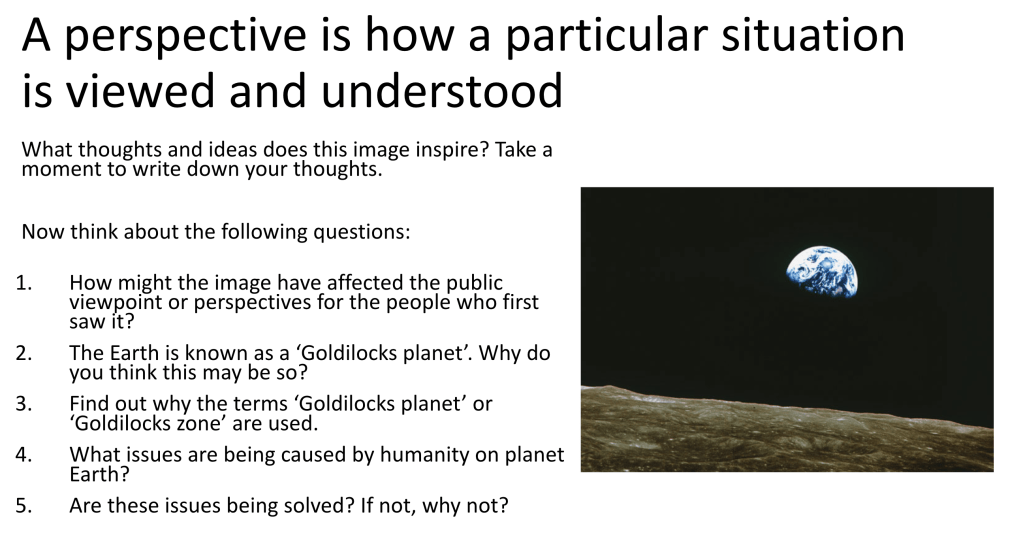
Worldview vs. Perspective
A worldview is a shared framework through which a group of people interprets, understands, and interacts with their environment. In contrast, a perspective refers to an individual’s unique way of perceiving and interpreting a specific situation.
Historically, personal perspectives were shaped by the dominant worldview of one’s local community or cultural context. However, with the rise of the internet and social media, individuals are now exposed to a diverse range of worldviews beyond their immediate surroundings. As a result, attempts to categorize perspectives, while useful, often fall short since people hold complex and evolving viewpoints influenced by multiple sources.
Different societies cultivate distinct worldviews, shaping the way their members understand the world.
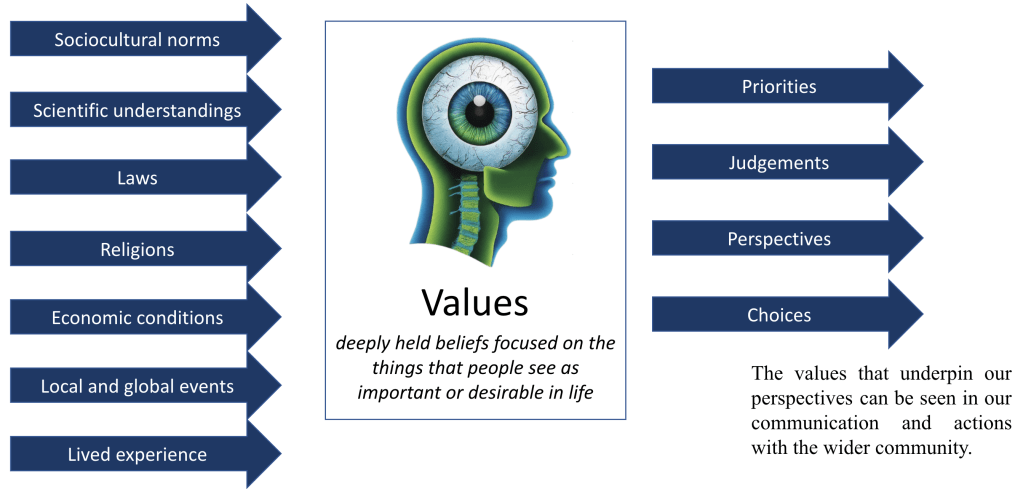
Environmental Value Systems
A specific perspective that influences how individuals or groups perceive and assess environmental issues. It is shaped by cultural, religious, economic, and sociopolitical factors
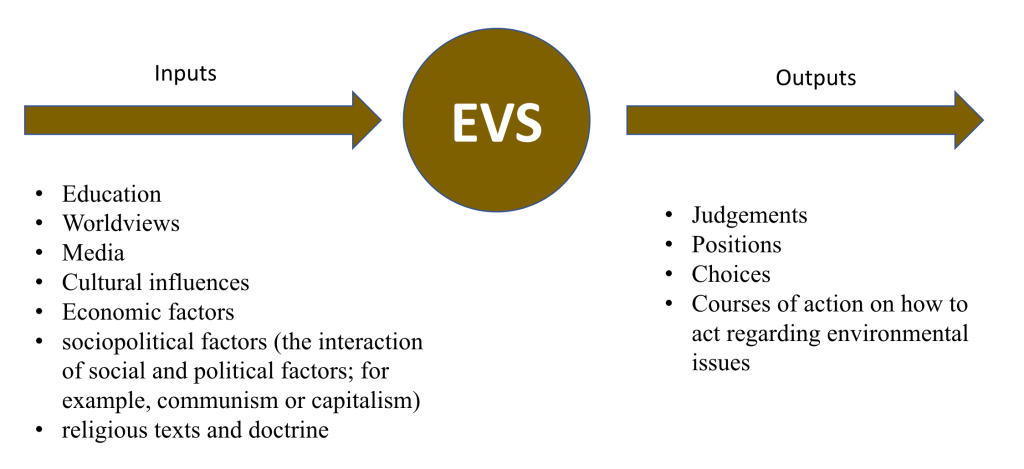
The three divisions of EVS are:
| EVS | General value | Core principles |
| Ecocentrism – A Nature-Centered EVS | Places intrinsic value on nature, recognizing its worth beyond human utility. | Minimizing disruption to natural processes. Integrating spiritual, social, and environmental dimensions. Striving for Earth-wide sustainability. Practicing self-imposed limitations on resource consumption. |
| Anthropocentrism – A People-Centered EVS | Emphasizes the importance of inclusive participation in environmental decision-making across all levels of society | People act as stewards of global sustainability, ensuring responsible management of natural resources. Sustainable global systems can be maintained through taxation, environmental regulations, and legislation. Effective management requires strict regulation by independent authorities while also promoting public involvement. Participation helps educate individuals about environmental issues, making them more accountable for their impact. Engaging local and marginalized communities, such as indigenous groups, is crucial as they often possess valuable ecological knowledge. Advocates of democracy argue that everyone has a right to influence how shared natural resources are managed. |
| Technocentrism – – A Technology-Driven EVS | Prioritizes technology as the key to addressing environmental challenges, even when human activities push natural systems beyond their usual limits | Technological advancements can keep up with and resolve environmental issues. Resource depletion can be mitigated through resource replacement and innovation. Understanding natural processes is essential for effective control and management. Scientific research and predictive analysis should guide policymaking. Economic and market growth should be sustained alongside environmental management. |
IB Exercises:
- Outline the arguments that might be given for preserving Plains bison as a species by a deep ecologist and an environmental manager
- Describe ecocentric and technocentric responses to global warming and justify which may be more effective in reducing the impacts of global warming.
The answers are available on subscription
Subscribe to get access to exercises
Read more of this content when you subscribe today.
![ESS 8.1.3 [AHL] Biocapacity and Environmental Migration](https://mypytrclass.com/wp-content/uploads/2025/12/image-4.png?w=1024)



![ESS 8.3.4 [AHL] Photochemical Smogs and Tropospheric Ozone](https://mypytrclass.com/wp-content/uploads/2025/12/image-1.png?w=1024)
 PYTR Class