
Learning Objectives
- Outline the roles of nitrogen in the ecosystem and living organisms
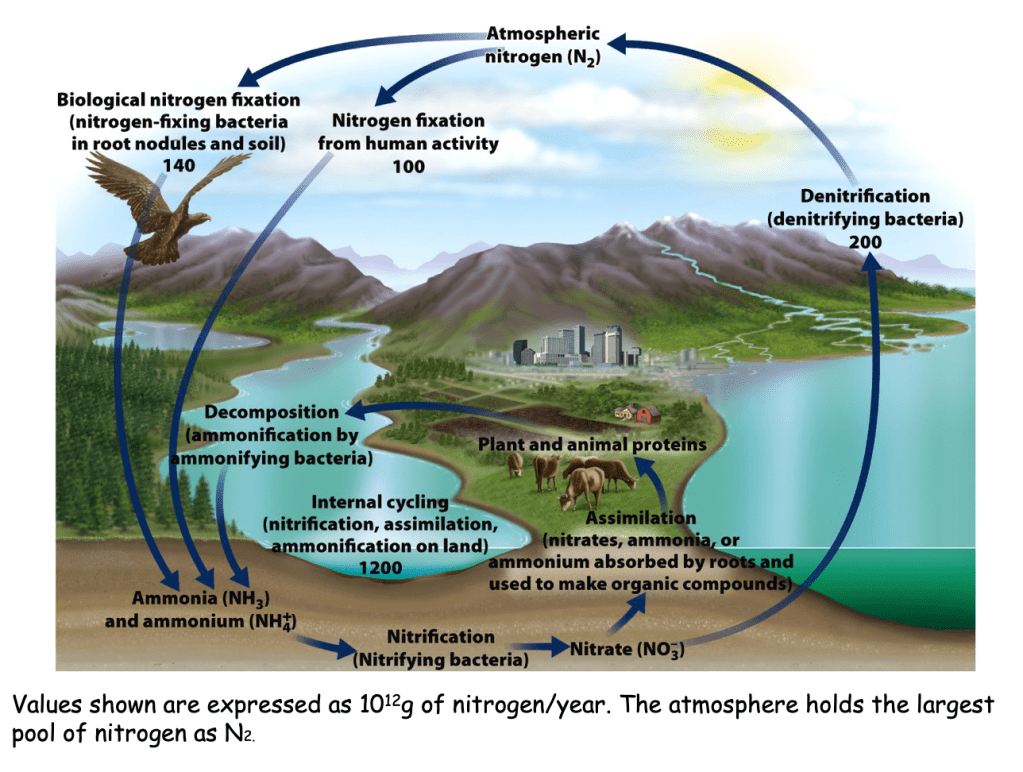
- Outline the nitrogen cycle in terms of transfers and transformations
- Outline the Haber process
- Summarise the evidence that the boundary for the nitrogen cycle has been crossed
Part 1: Where can you find nitrogen?
- Nitrogen is crucial to living organisms because it is an essential part of biological molecules such as proteins, and nucleic acids (RNA/DNA)
- The atmosphere is composed of 78% nitrogen, N2
- However atmospheric nitrogen, N2, is unstable and needs to be “fixed” in order for it to be “used” by organisms
- Storages in the nitrogen cycle include:
- organisms (organic)
- soil, fossil fuels, atmosphere and water bodies (all inorganic).
- Flows in the nitrogen cycle include:
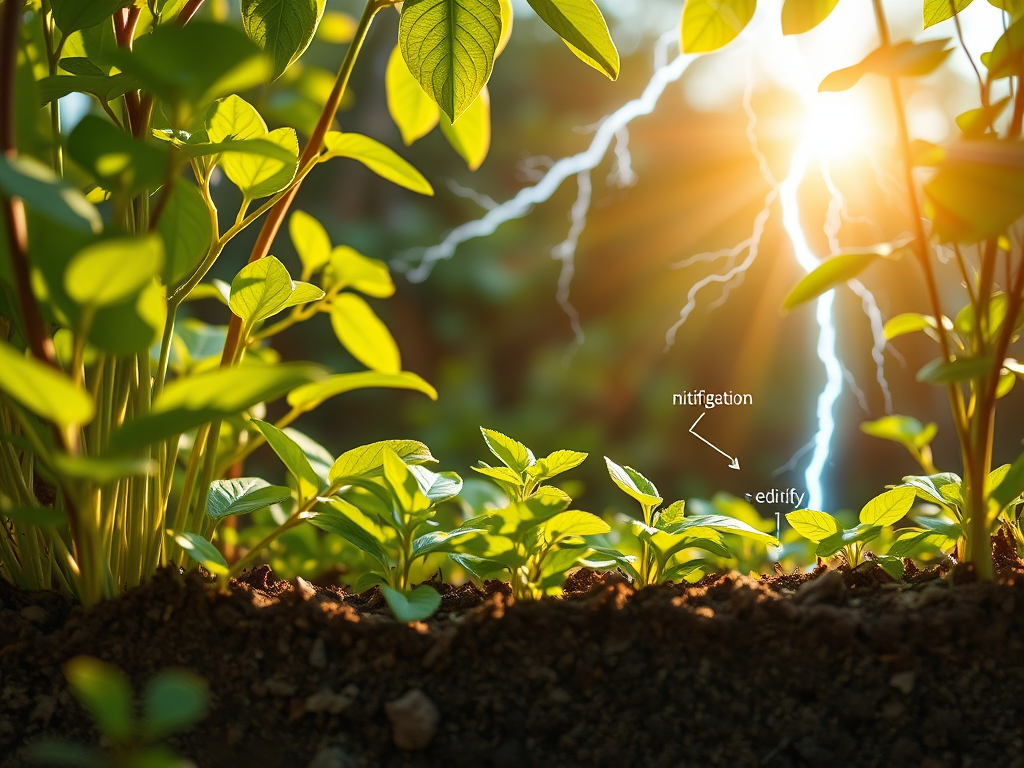
- nitrogen fixation by bacteria and lightning, absorption, assimilation, consumption (feeding), excretion, death and decomposition, and denitrification by bacteria in water-logged soils
Part 2: Nitrogen cycles
Transformation of nitrogen in nitrogen cycle
Read more of this content when you subscribe today.
Part 3: The Haber Process
Outline of the Haber Process
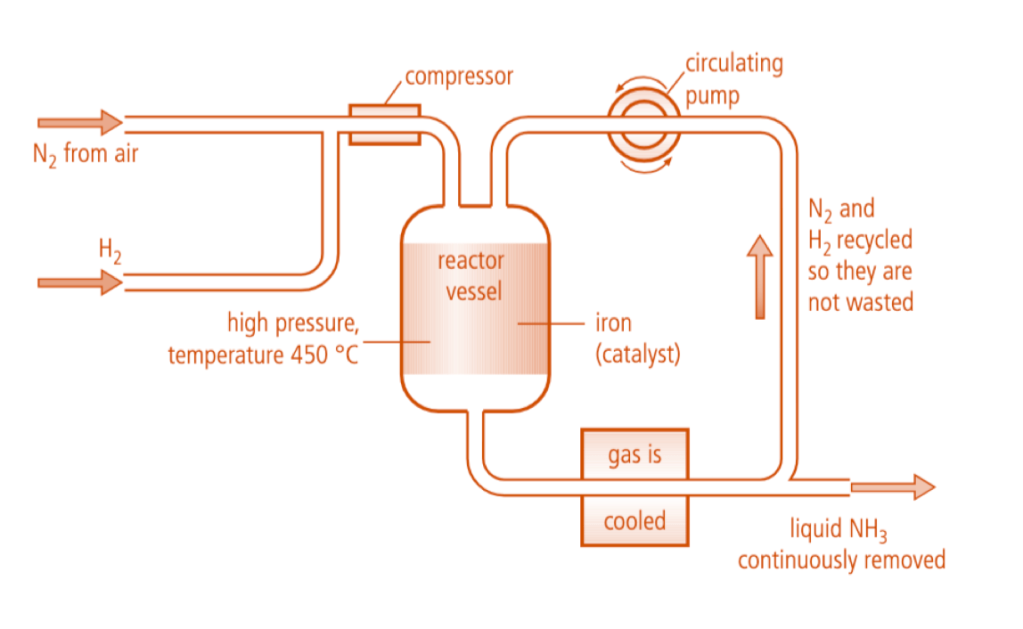
The Haber process is an industrial method used to produce ammonia (NH₃) from nitrogen and hydrogen gases. It is essential for manufacturing fertilisers and other nitrogen-based chemicals.
Raw Materials
- Nitrogen (N₂) – obtained from the air (which is about 78% nitrogen).
- Hydrogen (H₂) – typically sourced from natural gas (methane, CH₄) through steam reforming.
Reaction Conditions
- Temperature: 400–500°C
- Pressure: 150–250 atmospheres
- Catalyst: Iron (Fe) with potassium and aluminum oxide as promoters
Chemical Reaction

- This reaction is exothermic, meaning it releases heat.
- High pressure favors ammonia production since fewer gas molecules are produced.
- Moderate temperature is used to balance yield and reaction rate.
Recycling & Collection
- The reaction reaches dynamic equilibrium where forward and backward reactions occur at the same rate.
- Ammonia is condensed and removed from the reaction mixture.
- Unreacted nitrogen and hydrogen are recycled back into the system to maximize efficiency.
Uses of Ammonia
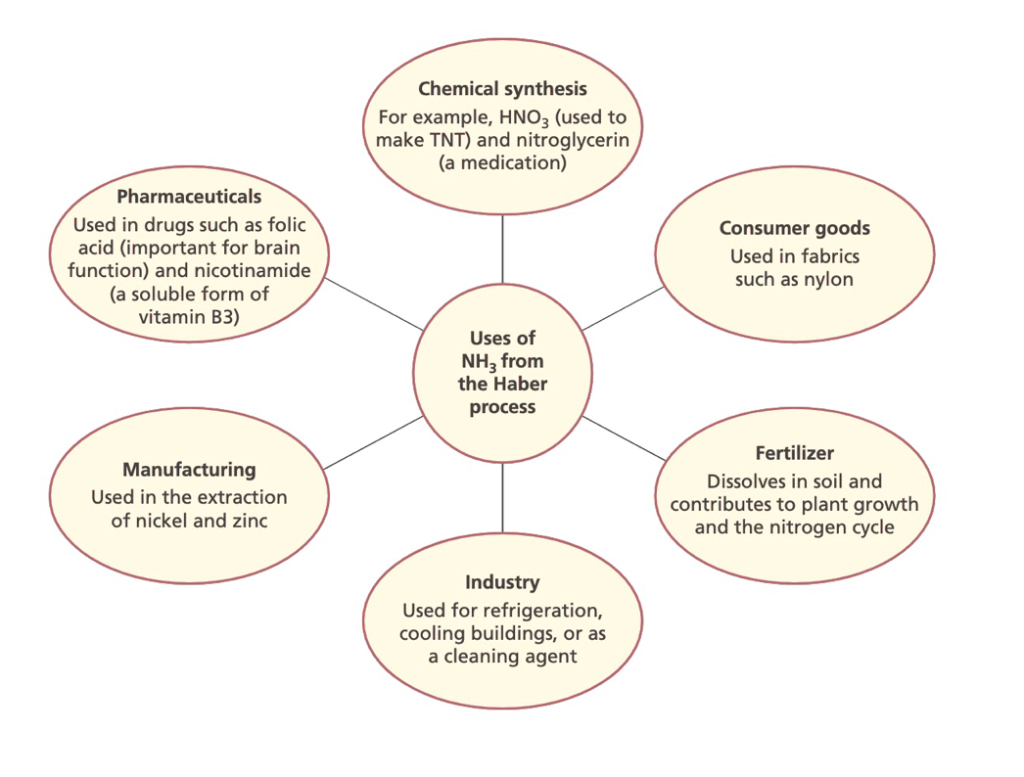
- Fertilisers (e.g., ammonium nitrate, urea)
- Explosives – this was unfortunate and ironic
- Nitric acid production
- Refrigerants and industrial chemicals
The Haber process has significantly increased food production but also contributes to environmental issues such as fertiliser runoff, eutrophication, and greenhouse gas emissions.
Summary of Evidence for Exceeding the Nitrogen Cycle Boundary & Importance of Global Collaboration
Read more of this content when you subscribe today.
![ESS 8.1.3 [AHL] Biocapacity and Environmental Migration](https://mypytrclass.com/wp-content/uploads/2025/12/image-4.png?w=1024)


![ESS 8.3.4 [AHL] Photochemical Smogs and Tropospheric Ozone](https://mypytrclass.com/wp-content/uploads/2025/12/image-1.png?w=1024)
 PYTR Class