
Learning Objectives
- Define water scarcity and discuss its impact on human societies.
- Explore water conservation techniques that can be implemented at a household level.
- Examine water conservation strategies used in industrial and food production systems.
- Evaluate various mitigation strategies to address water scarcity.
Part 1: Water Scarcity
- Definition
- Limited availability of water to human societies.
- Types:
- Physical water scarcity
- Occurs when water consumption exceeds 60% of the usable supply.
- Countries like Israel and Saudi Arabia invest in desalination and food imports to manage scarcity.
- Occurs when water consumption exceeds 60% of the usable supply.
- Economic water scarcity
- Occurs when a country has enough water but lacks the infrastructure to store and transport it.
- Common in Sub-Saharan Africa, where expensive projects are needed to improve water access.
- Occurs when a country has enough water but lacks the infrastructure to store and transport it.
- Physical water scarcity
- Factors:
- Population size
- Level of technology available
- Affluence
- Size of the country
- Affordability of water supplies and infrastructure
- Increasing water scarcity
- Driven by population growth, rising demand, and climate change.
Part 2: Domestic Conservation
Part 3: Industrial Conservation
Greenhouses
Water recycling in greenhouses is common, but the extent varies based on size. Example – Metrolina Greenhouses in Huntersville, North Carolina, USA
- Recycles up to 6 million liters of water daily.
- Has been harvesting and recycling rainwater for about 50 years.
- Built the first retention pond in 1976 and now has three ponds with a total capacity of 950 million litres.
- 98% of the water used is harvested rainwater.
- Covers 80 hectares under glass, making it the largest single-site greenhouse in the USA.
- Uses ‘flood floors’ that are periodically flooded, allowing plants to absorb water at their roots.
- The flood floor system prevents water waste by collecting and recycling excess water
Aquaponics
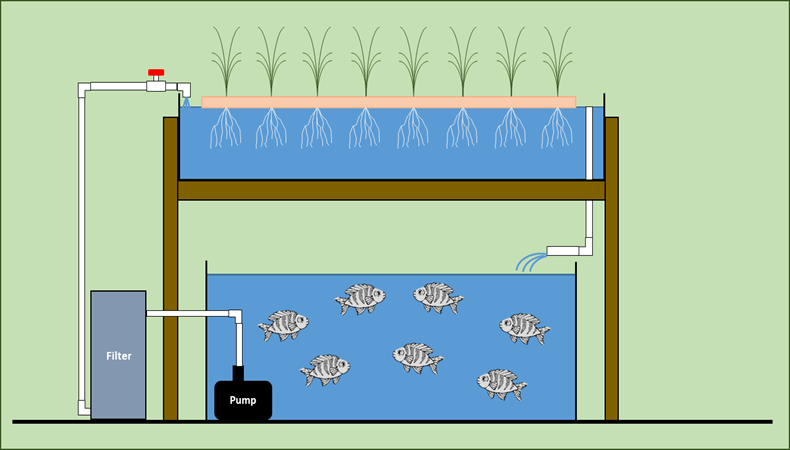
Aquaponics combines aquaculture (raising aquatic animals like fish or prawns in tanks) with hydroponic farming (growing plants in water).
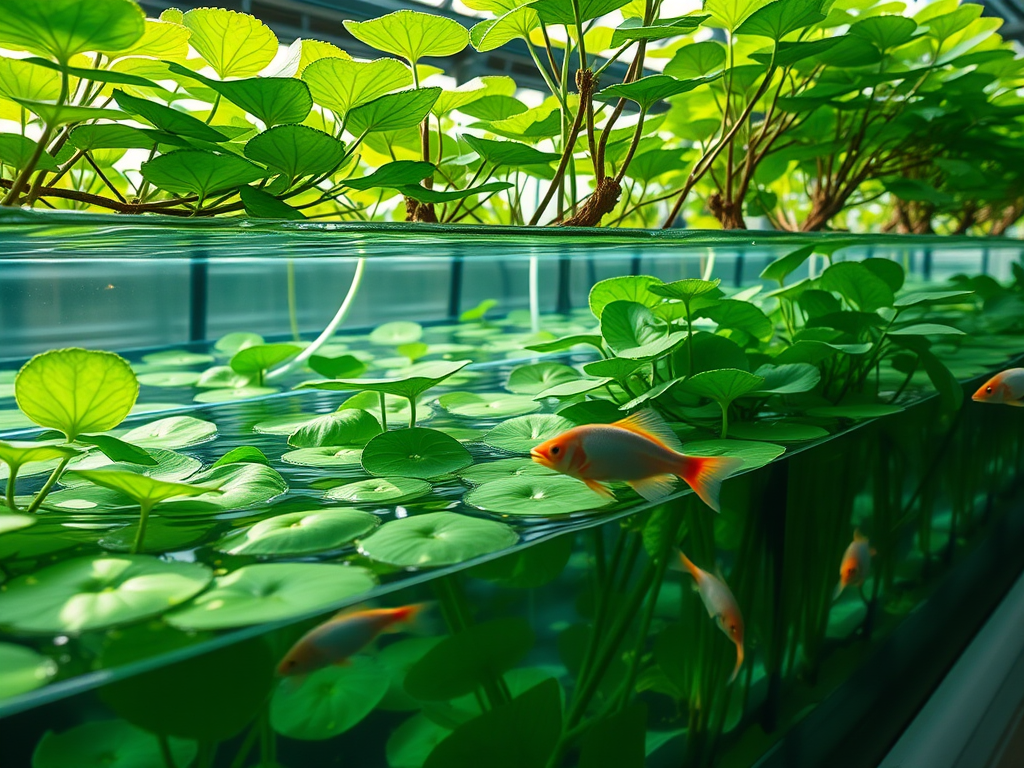
- Increases yields by farming fish and growing plants in the same closed freshwater system.
- Originated in Central America; the first commercial aquaponics farm in Egypt was Bustan, Cairo.
- The system circulates water from fish tanks to hydroponic trays growing vegetables like:
- Cucumber, basil, lettuce, kale, peppers, and tomatoes.
- Each tank holds around 1,000 tilapia fish, a species native to Egypt.
- Water from fish tanks is used to irrigate olive trees producing high-quality olive oil.
- 90% of plant nutrients come from fish waste.
- Uses 90% less water than traditional farming in Egypt.
- Produces 6-8 tonnes of fish per year and has the potential to yield 45,000 heads of lettuce if growing a single crop.
- Hydroponics can make lettuce grow 20% faster than traditional soil-based methods.
Challenges:
- High costs, making it inaccessible for lower-income farmers.
- Small-scale hydroponic units could be used on rooftops, balconies, and kitchens.
Drip Irrigation
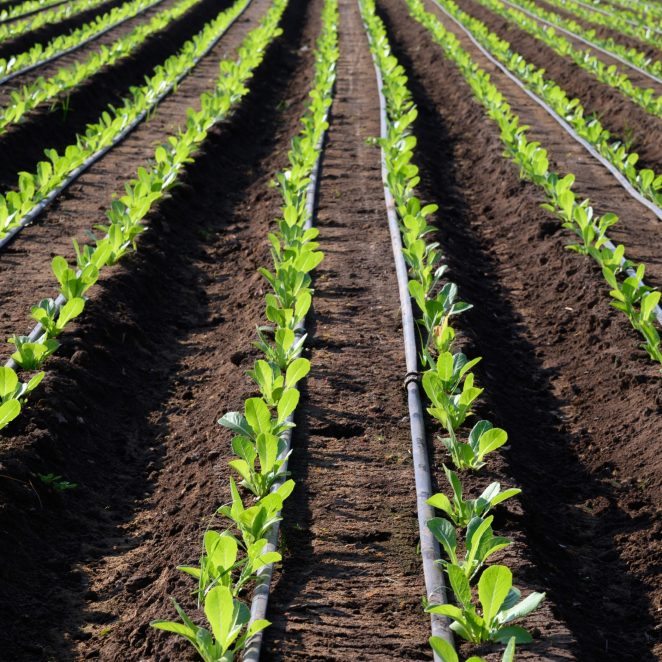
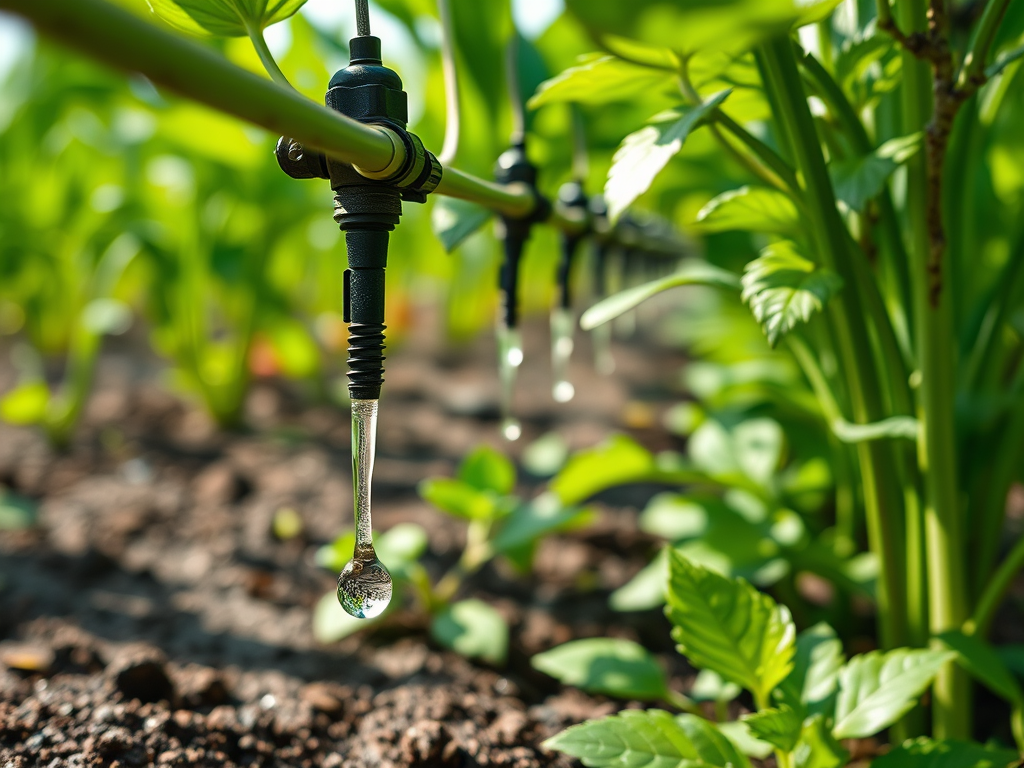
- Drip irrigation is one of the most efficient irrigation methods.
- Uses plastic tubes installed on or just below the surface to deliver water directly to plants.
- Water, sometimes enriched with fertilizers, is delivered directly to plant roots, minimizing evaporation losses.
Efficiency:
- Drip irrigation is up to 95% effective compared to 50-70% efficiency of traditional flood irrigation.
- Studies in the USA, Spain, Jordan, Israel, and India found:
- 30-70% reduction in water use.
- 20-90% increase in crop yields.
Challenges:
- High costs limit widespread use; currently, less than 5% of farms worldwide use drip irrigation.
Drought-Resistant Crops
- Eastern Cape, South Africa faces challenges due to drought and overgrazing.
- Cattle, sheep, and goat numbers decline significantly during droughts.
- Reducing herd size is unpopular due to cultural prestige associated with large herds.
- Solution: Grow drought-resistant fodder crops, such as:
- American aloe
- Prickly pear
- Saltbush
- Indigenous gwanish
- American aloe advantages:
- Raises milk production in cows.
- Requires very little water (~450 mm annual rainfall).
- Resistant to insect attacks.
- Aids soil conservation.
- After 10 years, produces poles for fencing/building.
- Acts as a windbreak for other crops.
Vegetarian Food Production
- Livestock farming is a major environmental concern. Livestock use 15% of the world’s freshwater, needed for:
- Drinking, cleaning, and producing animal feed.
- Growing plant-based foods (grains, beans, legumes, fruit) requires significantly less water.
Part 3: Mitigation Water Scarcity
Managing Water Supply in Singapore
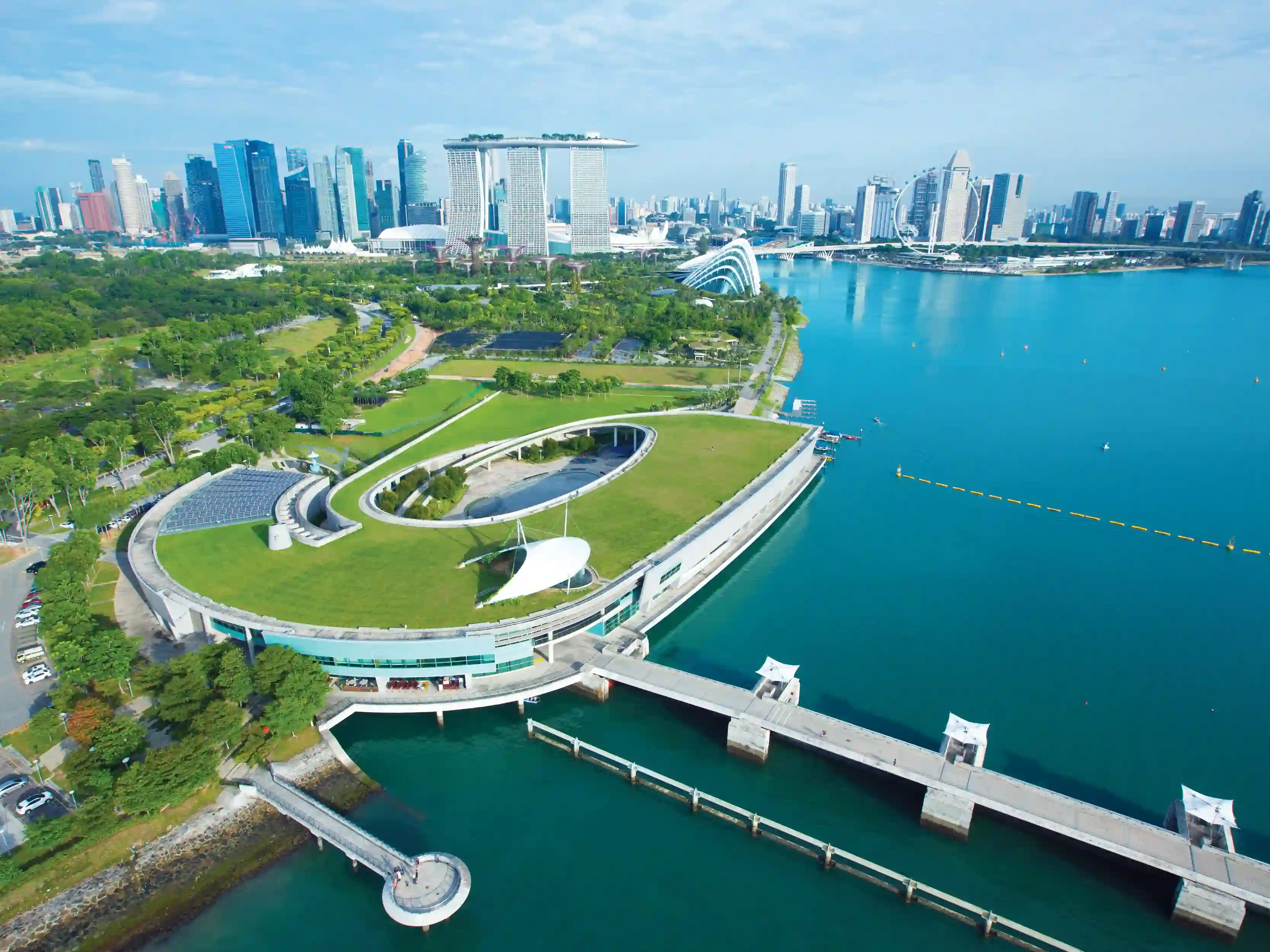
- Water Sources (The ‘Four National Taps’)
- Rainfall collected in artificial reservoirs
- Imported water
- Reclaimed water (NEWater)
- Desalination
- Water Demand & Challenges
- Demand expected to double by 2060 due to population growth and economic development
- Climate change increases uncertainty in water security
- Water wastage risk due to leakage in main water pipes (up to 10,000 litres per household annually)
- Public Utility Board (PUB) replacing aging pipes and fixing leaks
- Water Pricing & Conservation Efforts
- Pricing used to balance supply and demand
- Water conservation efforts reduced per capita water consumption:
- 165 litres per day (2013) → 158 litres per day (2021)
- Target: 130 litres per day by 2030
- Annual Water Conservation Awareness Programme:
- Volunteers install water-saving devices in high-usage households
- Public education on conservation
- Imported Water from Malaysia
- 1.1 million litres per day imported under a treaty valid until 2061
- Singapore working to reduce dependency on imports
- Reservoirs & Water Storage
- High rainfall (~2400 mm per year) but limited storage space
- 17 reservoirs, e.g., MacRitchie Reservoir
- ~8000 km of drains channel water to reservoirs
- Small size of Singapore → risk of pollution in reservoirs from heavy rain
- Unpredictable weather causes flash floods → potential contamination
- Reservoirs also used for recreation, leading to further contamination risks
- Reservoir Supply Estimates
- Provide between 825,000 litres/day to 1,375,000 litres/day depending on rainfall
- NEWater (Reclaimed Water)
- Highly treated wastewater, mainly used for non-drinking purposes in industries
- First plant opened in 2000
- Currently five plants producing ~520,000 litres/day
- Desalination (Reverse Osmosis Technology)
- Producing freshwater since 2005
- Current production: ~230,000 litres/day (10% of total demand)
- Cost comparable to water imports, becoming more affordable
- Predicted to provide 30% of Singapore’s water demand by 2060

Exercises
4.2.2 Water Scarcity and Conservation
![ESS 8.1.3 [AHL] Biocapacity and Environmental Migration](https://mypytrclass.com/wp-content/uploads/2025/12/image-4.png?w=1024)


![ESS 8.3.4 [AHL] Photochemical Smogs and Tropospheric Ozone](https://mypytrclass.com/wp-content/uploads/2025/12/image-1.png?w=1024)
 PYTR Class