
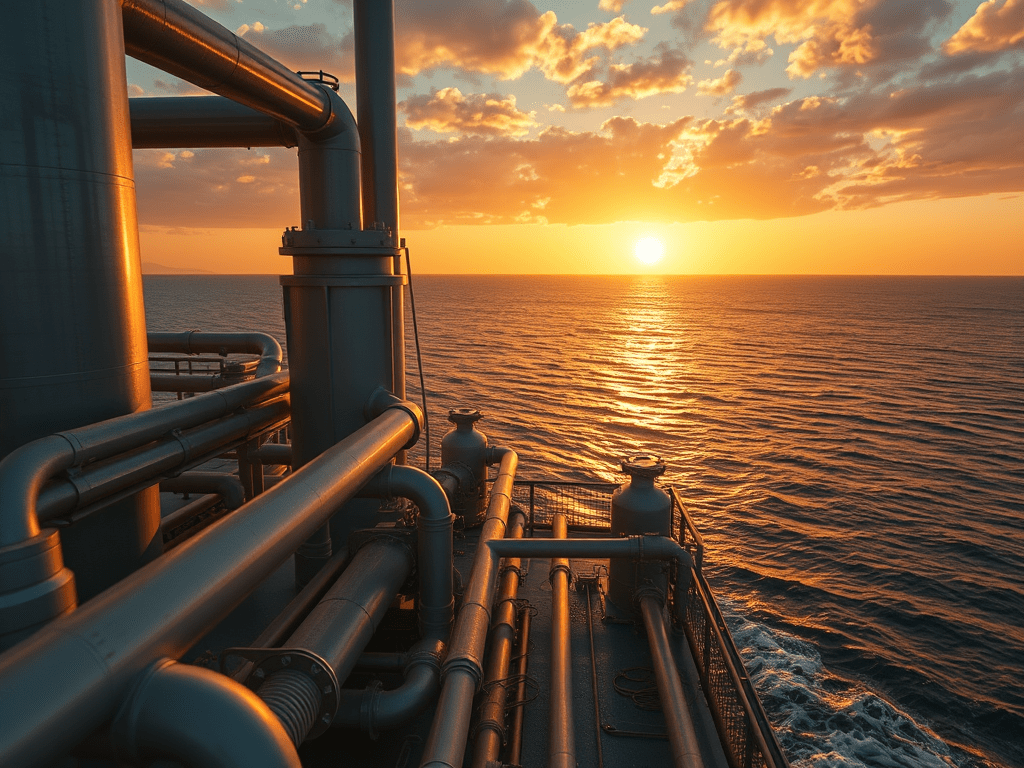
Water Crisis in the Arab World: The Rising Dependence on Desalination
The Arab world faces a critical water scarcity crisis, with limited freshwater resources to support its growing population of 400 million. As a result, desalination has become a lifeline for many countries in the region, despite its heavy dependence on fossil fuels and significant environmental impact.
Desalination: A Growing Necessity
Desalination is expanding rapidly across the Middle East and North Africa (MENA), where 44% of the world’s 18,000 commercial desalination plants are located. The region’s reliance on desalinated water is expected to grow at an annual rate of 7-9%, with production forecasted to increase 14-fold between 2020 and 2040. However, nearly 66% of desalinated water production still depends on fossil fuels, despite the potential to transition to renewable energy sources such as solar power.
Environmental Consequences of Desalination
While desalination provides a critical solution to water shortages, it comes with severe environmental repercussions. The discharge of brine waste, laden with chemicals and elevated temperatures, threatens marine ecosystems. Every day, desalination plants release approximately 22,000 kg of chlorine and 300 kg of copper into the Arabian Gulf, affecting marine life. Chlorine reduces the photosynthetic efficiency of plankton, which serves as the foundation of marine food chains, while copper accumulates in sea sediments and enters the food web. Additionally, anti-scaling chemicals used in desalination have been linked to harmful red tides.
Rising salinity in the Arabian Gulf is another pressing concern. The increased concentration of salt reduces water exchange between the Gulf and the Arabian Sea, leading to the accumulation of pollutants from desalination and industrial waste. This poses a long-term threat to marine biodiversity and further complicates water treatment efforts.
Groundwater Challenges in Abu Dhabi
In Abu Dhabi, the availability of pure groundwater is extremely limited, making up just over 10% of the country’s total reserves. As the water table declines, the intrusion of brackish water degrades groundwater quality. Additional factors such as agricultural fertilizers, livestock waste, and brine dumping exacerbate contamination.
Rising groundwater salinity is a major concern for both agriculture and drinking water supplies. Without sufficient freshwater reserves, desalination remains the primary alternative—yet the process itself is becoming increasingly costly due to the deteriorating quality of the Gulf’s water. Some experts have proposed transferring lower-salinity water from the Gulf of Oman, but this solution is temporary and comes with even higher costs.
Climate and Economic Costs
The environmental footprint of desalination extends beyond marine pollution. Abu Dhabi’s power and desalination plants generate approximately 13.5 million tonnes of greenhouse gases annually, contributing to climate change. This accounts for nearly a quarter of the country’s total emissions. As salinity levels rise and the efficiency of desalination declines, production costs are expected to increase, placing further financial strain on governments and consumers alike.
The Road Ahead
The Arab region’s reliance on desalination will only intensify in the coming decades. While alternative technologies and renewable energy sources may help mitigate some of its negative impacts, urgent action is needed to address long-term sustainability. Without decisive intervention, the environmental and economic costs of water production will continue to climb, posing a serious threat to both ecosystems and human livelihoods.
![ESS 8.1.3 [AHL] Biocapacity and Environmental Migration](https://mypytrclass.com/wp-content/uploads/2025/12/image-4.png?w=1024)



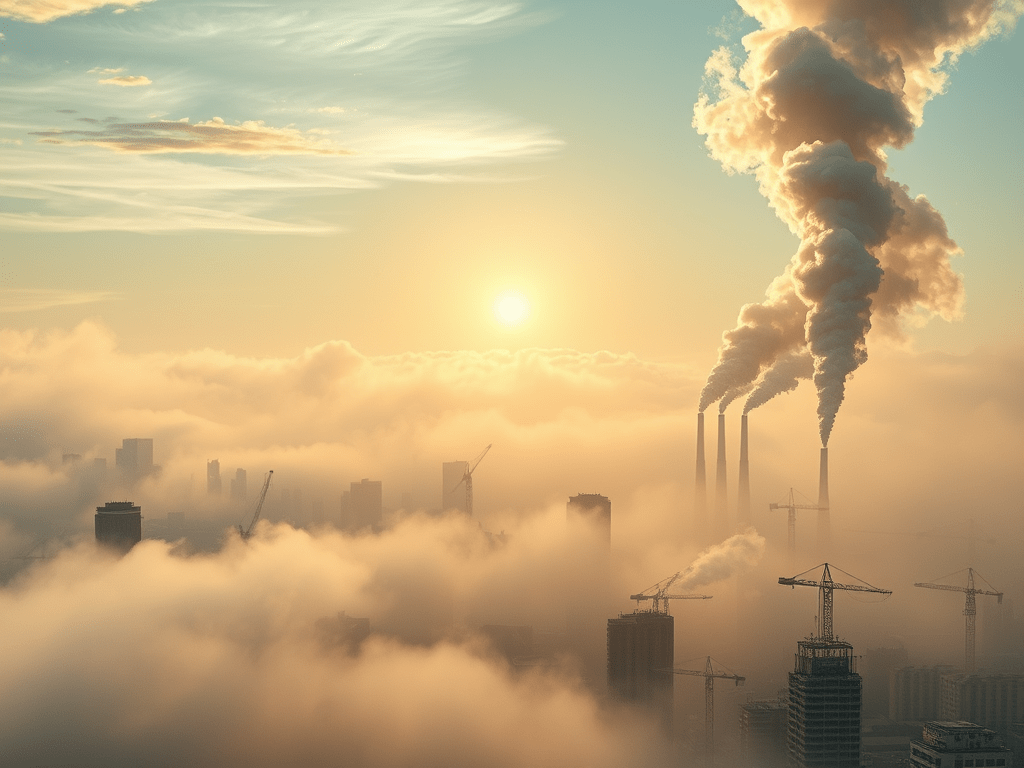
![ESS 8.3.4 [AHL] Photochemical Smogs and Tropospheric Ozone](https://mypytrclass.com/wp-content/uploads/2025/12/image-1.png?w=1024)
 PYTR Class