

Learning Objectives
- [AHL] Analyse how global warming, stratification, sewage disposal, and eutrophication contribute to the increase in anoxic and hypoxic waters.
- [AHL] Describe the primary, secondary, and tertiary stages of sewage treatment and their purposes.
Part 1: Hypoxic and Anoxic
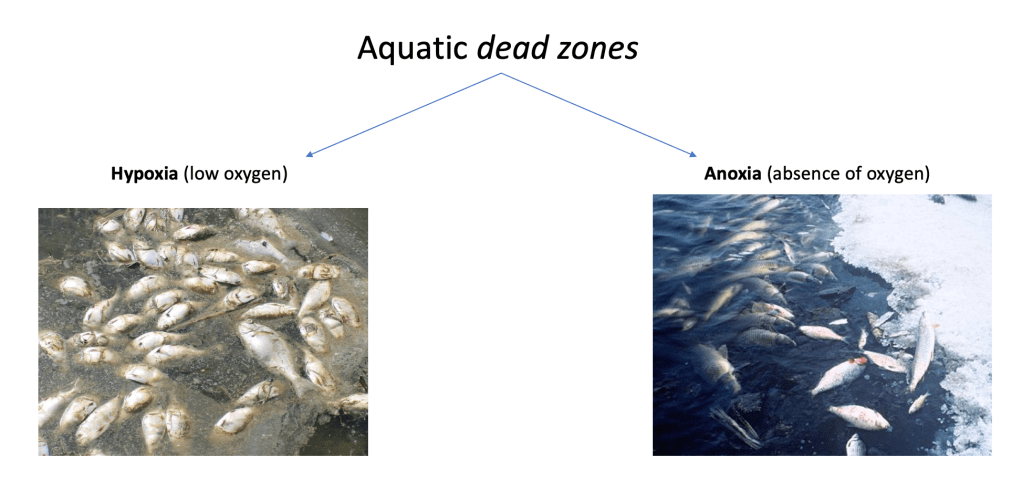
Causes and Impacts of Hypoxia and Anoxia in Aquatic Systems
- Hypoxia (low oxygen) and anoxia (absence of oxygen) can create aquatic dead zones.
- These conditions are becoming more frequent due to:
- Global warming
- Freshwater stratification
- Sewage discharge
- Eutrophication
- Stagnant water often leads to hypoxic conditions.
- Warm water holds less dissolved oxygen than cold water; this can be caused by:
- Factory heat discharges
- Shallow water
- Seasonal warming (e.g., in summer)
- Acute hypoxia can result from:
- Excessive use of agricultural fertilizers
- Sewage treatment plant discharges
- Bird or animal waste runoff
- Nutrient overload can trigger algal blooms, which:
- Block sunlight for submerged plants
- Die and decompose, consuming oxygen in the process
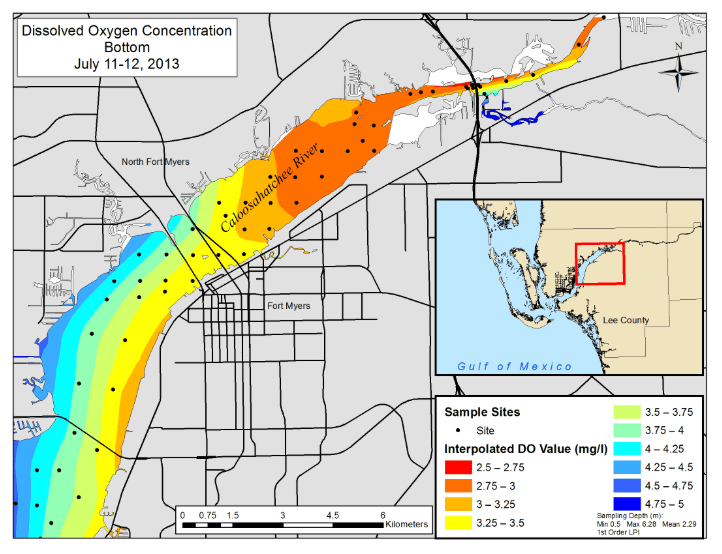
- Sheltered bays with low wind or weak currents may experience water stratification, forming oxygen-depleted layers.
Part 2: Water Treatment
Overview of Sewage Treatment
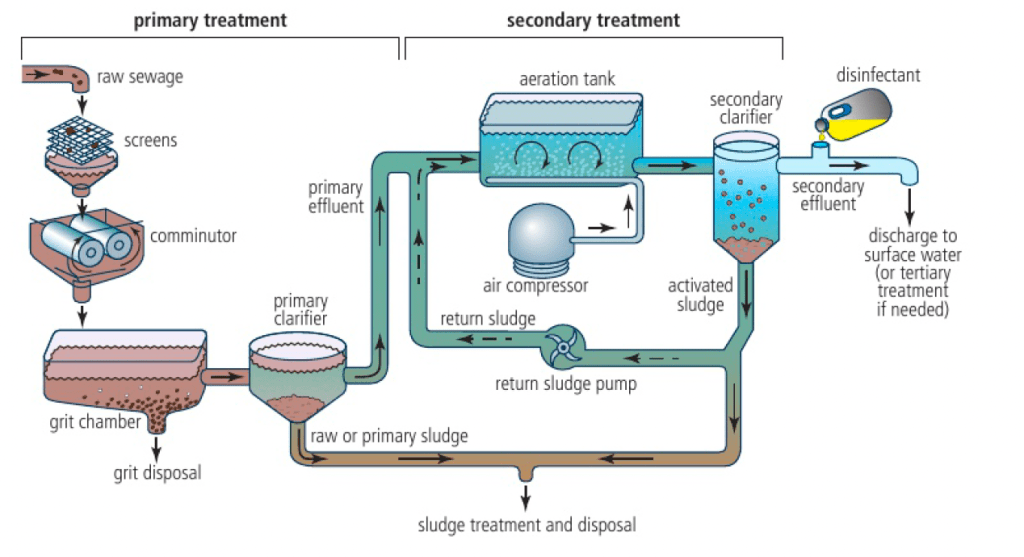
- Sewage treatment involves biological and chemical processes to safely release effluent.
- It typically occurs in three stages: primary, secondary, and tertiary treatment.
- Aims to remove contaminants and produce clean, reusable or safely dischargeable effluent.
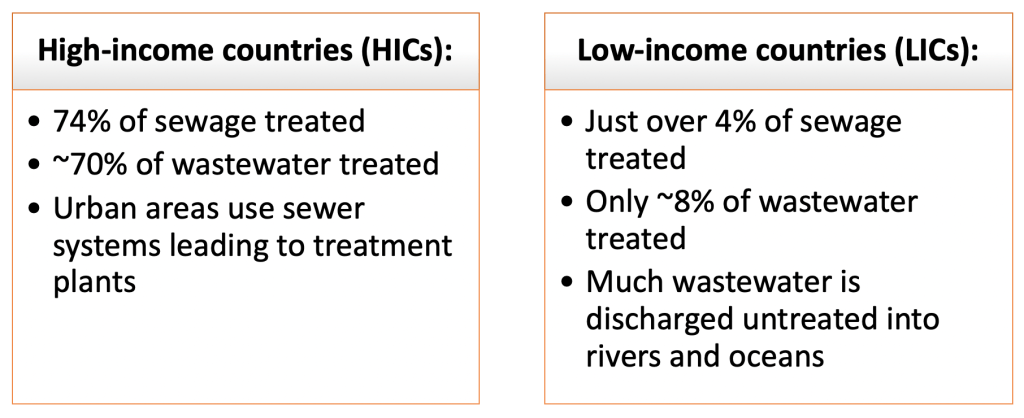
- Access to sewage treatment varies widely around the world.
- Treatment types range from:
- High-tech, expensive, intensive treatments
- Low-tech, low-cost, extensive or natural treatments
- Some systems include a fourth stage to remove micropollutants.
Global Differences in Sewage Treatment – Global treatment rate (2021): ~52% of sewage treated
Part 3: Stages of Water Treatment
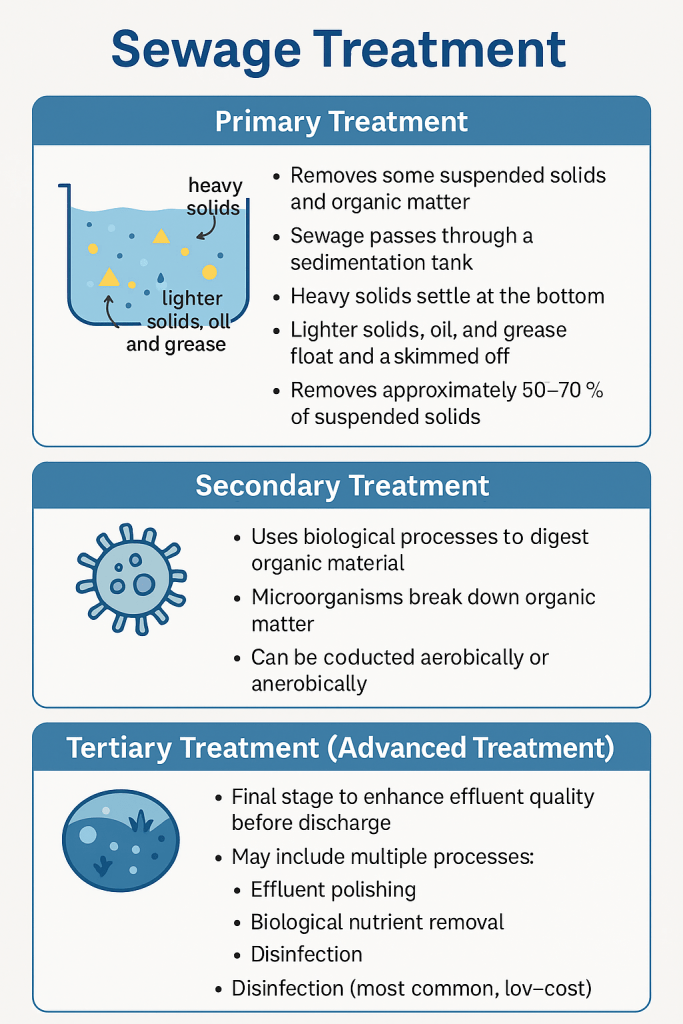
Exercise
1. What is a primary cause of hypoxia in aquatic systems?
A) Increased salinity
B) Excessive use of agricultural fertilizers
C) Decreased sunlight
D) Reduced sedimentation
2. How does global warming contribute to hypoxic conditions in water bodies?
A) By increasing water salinity
B) By promoting water stratification and reducing oxygen solubility
C) By decreasing nutrient runoff
D) By enhancing water turbulence
3. What is the primary goal of sewage treatment?
A) To increase water temperature
B) To remove contaminants and produce safe effluent
C) To add nutrients to water bodies
D) To desalinate seawater
4. Which stage of sewage treatment involves the removal of suspended solids through sedimentation?
A) Primary treatment
B) Secondary treatment
C) Tertiary treatment
D) Quaternary treatment
5. What process is primarily used in secondary sewage treatment?
A) Chemical precipitation
B) Biological digestion of organic matter
C) Filtration through sand beds
D) Ultraviolet disinfection
6. Which method is becoming more widespread for disinfection due to concerns about chlorine’s side effects?
A) Iodine treatment
B) Boiling
C) Ultraviolet (UV) light
D) Ozone infusion
7. What is a common consequence of nutrient overload in aquatic systems?
A) Decreased algal growth
B) Algal blooms that block sunlight and deplete oxygen
C) Increased fish populations
D) Enhanced water clarity
8. In which areas are hypoxic conditions more likely to develop?
A) Fast-flowing rivers
B) Open oceans with strong currents
C) Sheltered bays with low wind or weak currents
D) Mountain streams
9. What percentage of global sewage was treated as of 2021?
A) Approximately 25%
B) Approximately 40%
C) Approximately 52%
D) Approximately 70%
10. What is the purpose of tertiary sewage treatment?
A) To remove large debris
B) To enhance effluent quality through processes like disinfection and nutrient removal
C) To separate oil from water
D) To cool down the effluent before discharge
11. Discuss the causes and consequences of aquatic dead zones, and evaluate the effectiveness of sewage treatment processes in mitigating their formation.
![ESS 8.1.3 [AHL] Biocapacity and Environmental Migration](https://mypytrclass.com/wp-content/uploads/2025/12/image-4.png?w=1024)


![ESS 8.3.4 [AHL] Photochemical Smogs and Tropospheric Ozone](https://mypytrclass.com/wp-content/uploads/2025/12/image-1.png?w=1024)
 PYTR Class