

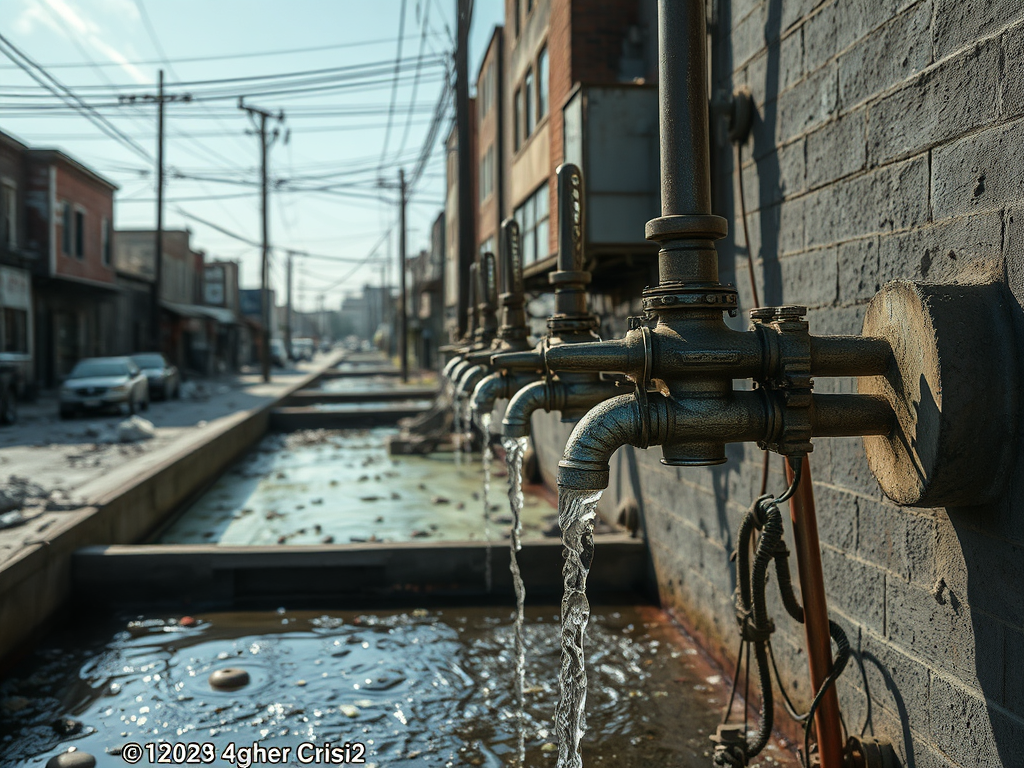
1. Flint Water Crisis (USA)
- Location & Stakeholders: Flint, Michigan, USA. Affected stakeholders include local residents, especially children, health departments, and municipal authorities.
- Sources of Pollution:
- Point: Corroded lead pipes due to switch in water source without proper corrosion control.
- Non-point: None significant.
- Status Quo: Long-term efforts are underway to replace pipes; water quality has improved, but public trust remains low.
- Impacts: Widespread lead poisoning, especially in children; long-term developmental and health issues; political and legal fallout.
2. Ganges River Pollution (India)
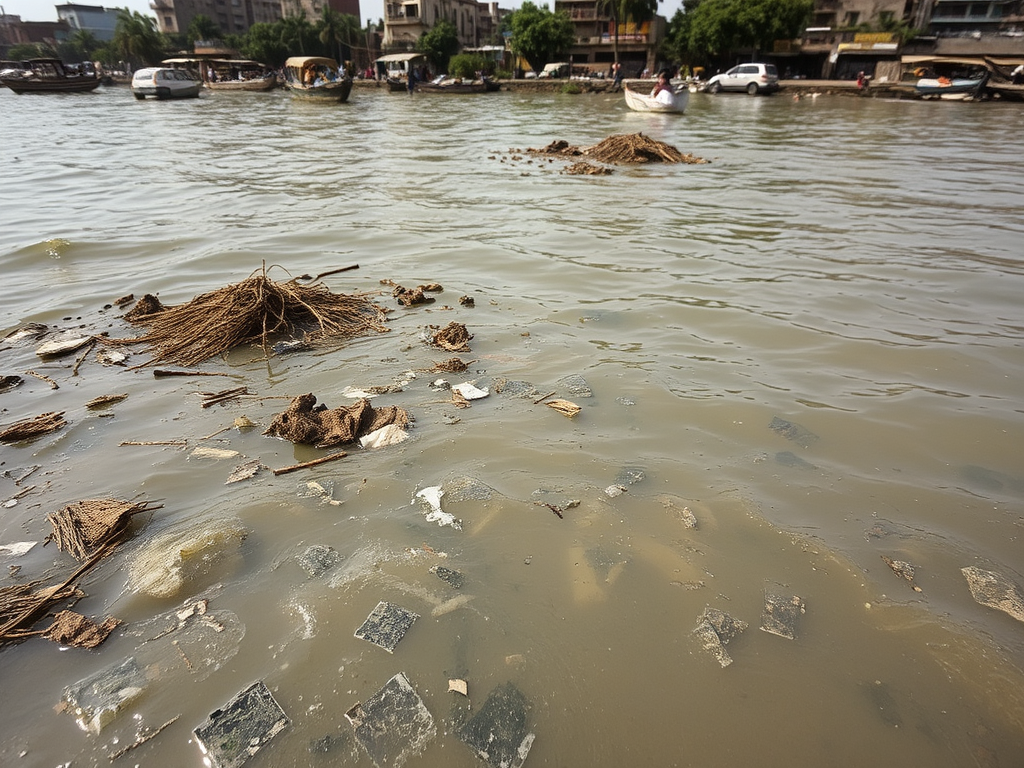
- Location & Stakeholders: Northern India, especially cities like Varanasi and Kanpur. Affected stakeholders include local populations, religious pilgrims, fisheries, and environmental agencies.
- Sources of Pollution:
- Point: Direct discharge of untreated sewage and industrial effluents.
- Non-point: Agricultural runoff and ritual offerings.
- Status Quo: Ongoing cleanup efforts under the “Namami Gange” program; partial success.
- Impacts: High bacterial contamination; health risks; aquatic life decline; reduced access to clean water.
3. Citarum River (Indonesia)
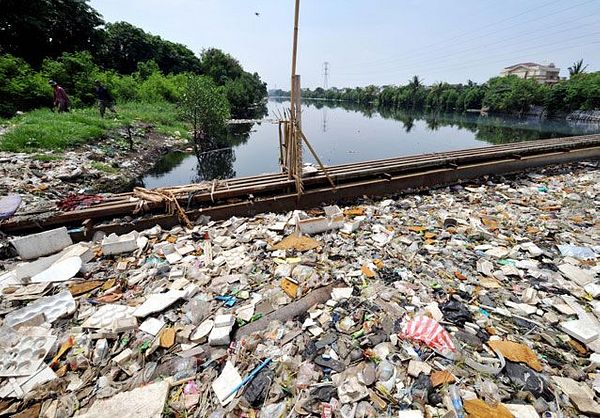
- Location & Stakeholders: West Java, Indonesia. Stakeholders include local communities, textile industries, farmers, and environmental NGOs.
- Sources of Pollution:
- Point: Wastewater from textile and other industries.
- Non-point: Household waste, agricultural runoff.
- Status Quo: Considered one of the most polluted rivers globally; cleanup campaigns have begun.
- Impacts: Toxic water for irrigation and consumption; health risks; ecosystem collapse.
4. Lake Tai (China)
- Location & Stakeholders: Jiangsu Province, China. Affected groups include local residents, fishers, and regional industries.
- Sources of Pollution:
- Point: Industrial discharge, sewage.
- Non-point: Agricultural nutrient runoff.
- Status Quo: Water quality has slightly improved with government intervention, but periodic blooms still occur.
- Impacts: Algal blooms (eutrophication); massive fish kills; drinking water shortages.
5. Niger Delta (Nigeria)
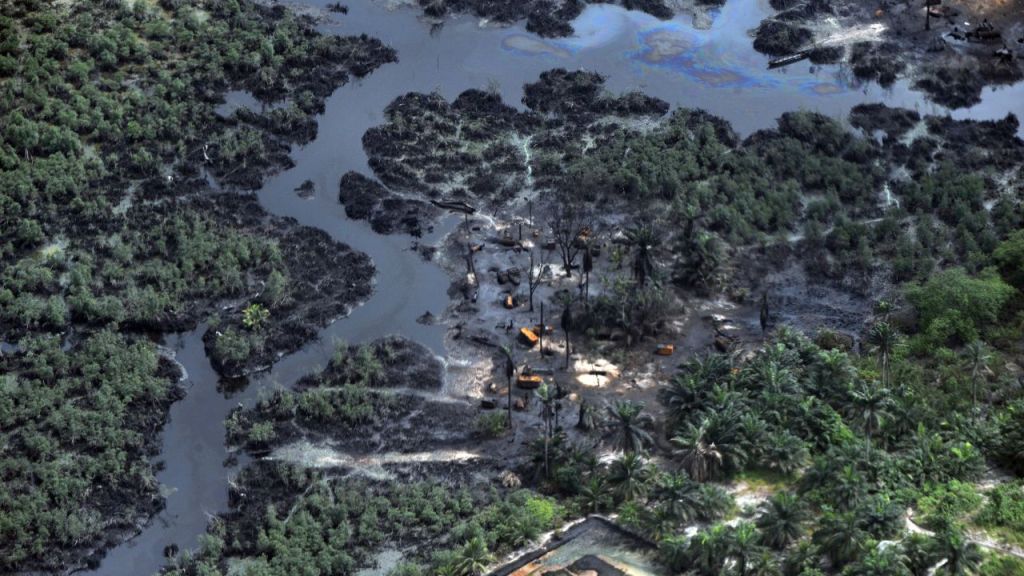
- Location & Stakeholders: Southern Nigeria. Affected groups include indigenous communities, oil companies, farmers, and fishers.
- Sources of Pollution:
- Point: Oil spills from pipelines and facilities.
- Non-point: Runoff from oil-contaminated land.
- Status Quo: Pollution remains widespread; limited remediation.
- Impacts: Destruction of wetlands; contaminated drinking water; loss of livelihoods.
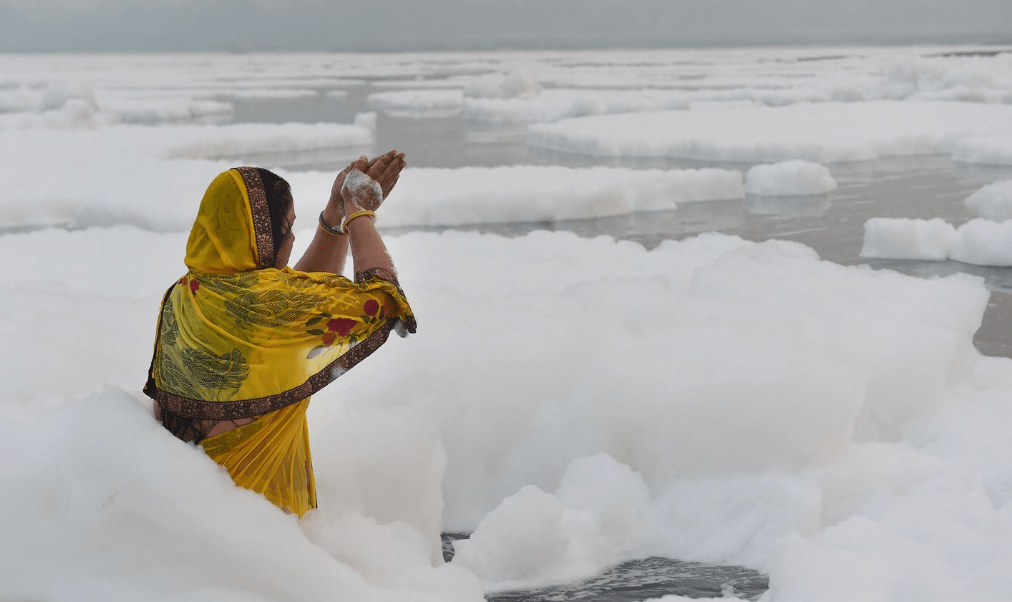
6. Yamuna River (India)
- Location & Stakeholders: Northern India, particularly Delhi. Stakeholders include urban populations, religious groups, and local governments.
- Sources of Pollution:
- Point: Untreated domestic and industrial waste.
- Non-point: Agricultural runoff.
- Status Quo: Heavily polluted stretch near Delhi; cleanup efforts are ongoing but ineffective.
- Impacts: River is biologically dead in parts; serious health risks.
7. Aral Sea Shrinkage (Kazakhstan/Uzbekistan)
- Location & Stakeholders: Central Asia. Stakeholders include local farmers, communities, and international environmental organizations.
- Sources of Pollution:
- Point: Agricultural canals diverting river flow.
- Non-point: Chemical residues from agriculture.
- Status Quo: Northern Aral partially restored; southern portion largely lost.
- Impacts: Collapsed fishing industry; toxic dust storms; ecosystem failure.

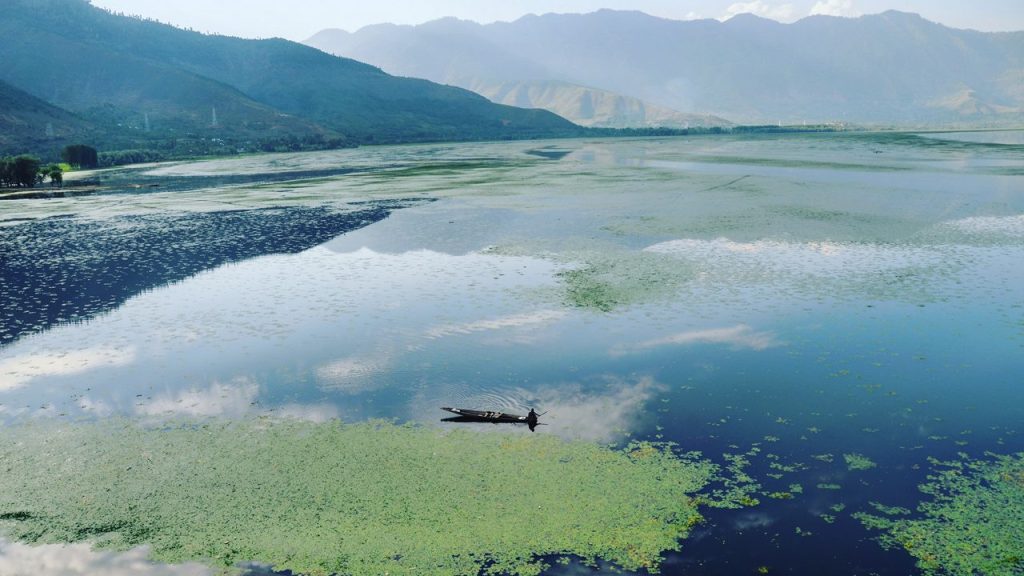
8. Wular Lake (India)
- Location & Stakeholders: Kashmir, India. Affected stakeholders include local fishers, farmers, and conservationists.
- Sources of Pollution:
- Point: Domestic sewage discharge.
- Non-point: Agricultural runoff.
- Status Quo: Under restoration, but urban pressure persists.
- Impacts: Decreased biodiversity; siltation; reduced water quality.
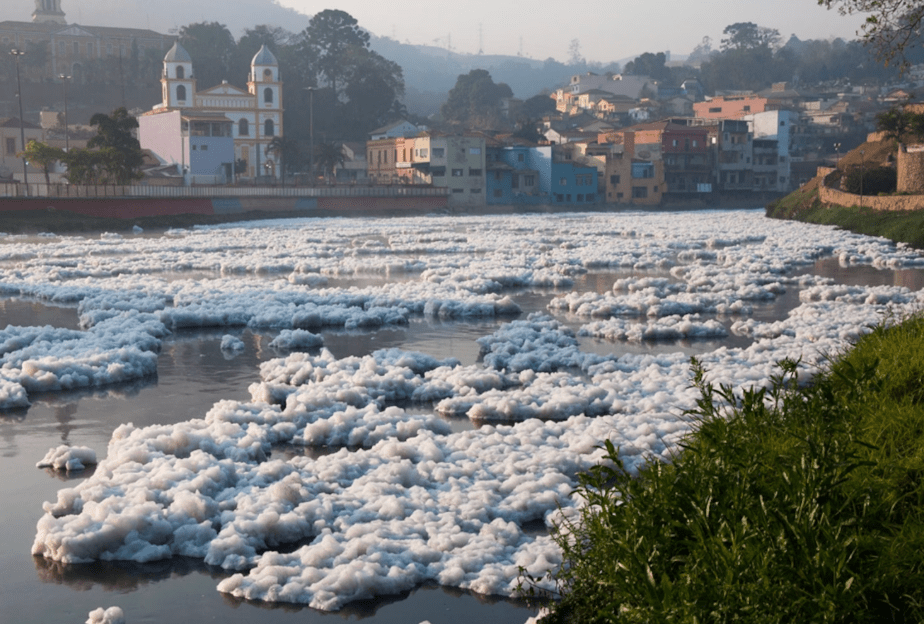
9. Tiete River (Brazil)
- Location & Stakeholders: São Paulo, Brazil. Affected include urban residents, industries, and ecological groups.
- Sources of Pollution:
- Point: Industrial waste and sewage.
- Non-point: Urban runoff.
- Status Quo: Clean-up programs have improved water quality in some areas.
- Impacts: Previously toxic, now partially recovered; ecosystem stress persists.
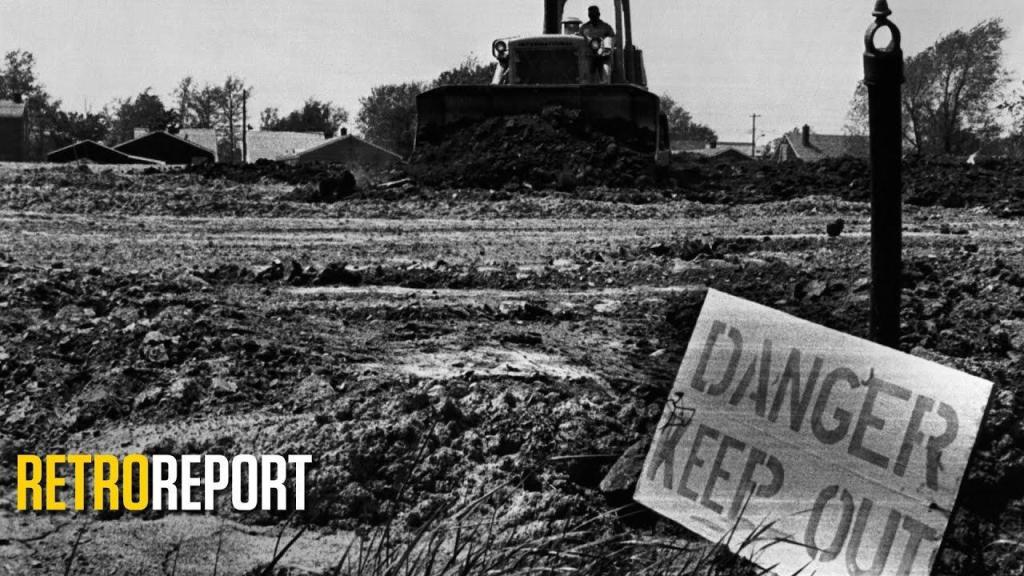
10. Love Canal (USA)
- Location & Stakeholders: Niagara Falls, New York. Stakeholders include residents, EPA, and health agencies.
- Sources of Pollution:
- Point: Chemical waste dumped in canal.
- Non-point: Groundwater contamination.
- Status Quo: Site was evacuated and remediated; now designated a Superfund site.
- Impacts: Birth defects, cancer, and forced relocation.
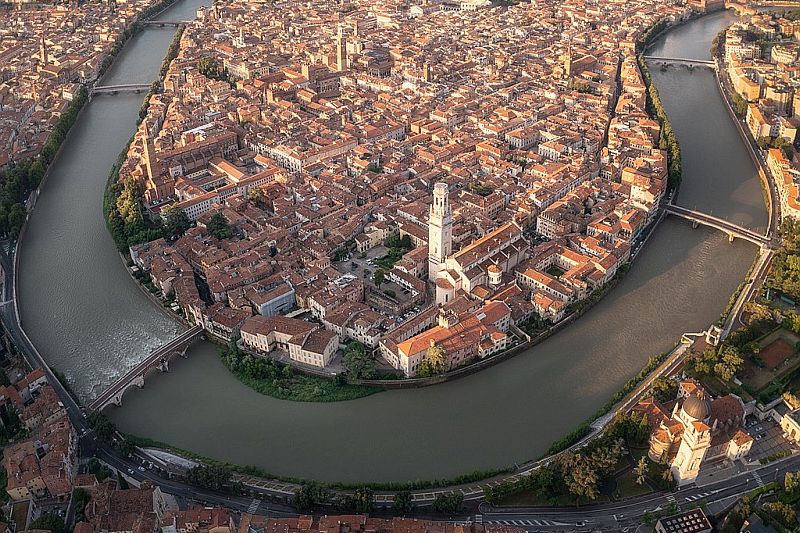
11. Po River (Italy)
- Location & Stakeholders: Northern Italy. Stakeholders include farmers, industries, and municipalities.
- Sources of Pollution:
- Point: Industrial discharge, wastewater treatment plants.
- Non-point: Fertilizer and pesticide runoff.
- Status Quo: Monitoring and EU regulations improving conditions.
- Impacts: Water quality concerns; agricultural contamination; health risks.
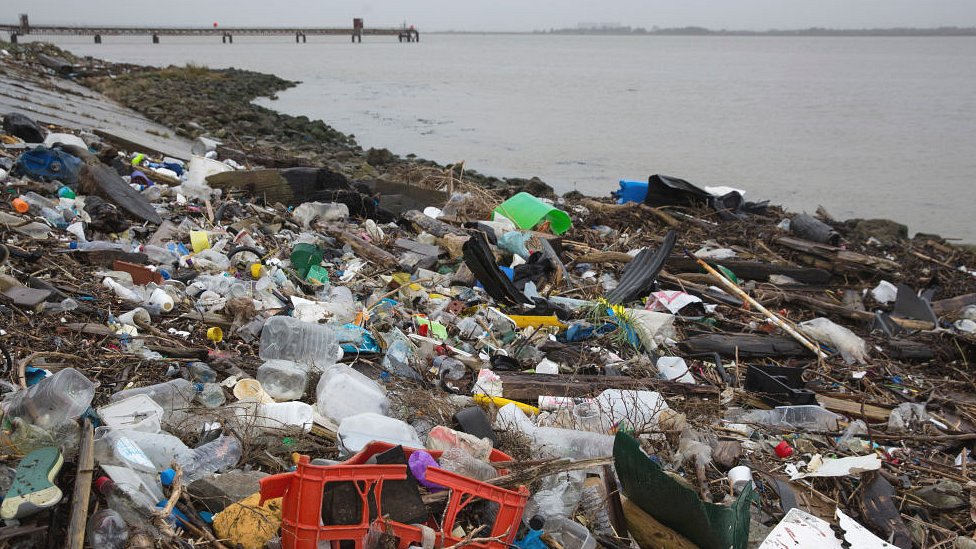
12. River Thames (UK)
- Location & Stakeholders: London and southern England. Includes citizens, industries, and environmental agencies.
- Sources of Pollution:
- Point: Sewage outflows, especially during storm overflows.
- Non-point: Urban runoff.
- Status Quo: Vast improvement; ongoing investment in stormwater management.
- Impacts: Previously biologically dead; now hosts diverse aquatic life, but still faces urban pressure.
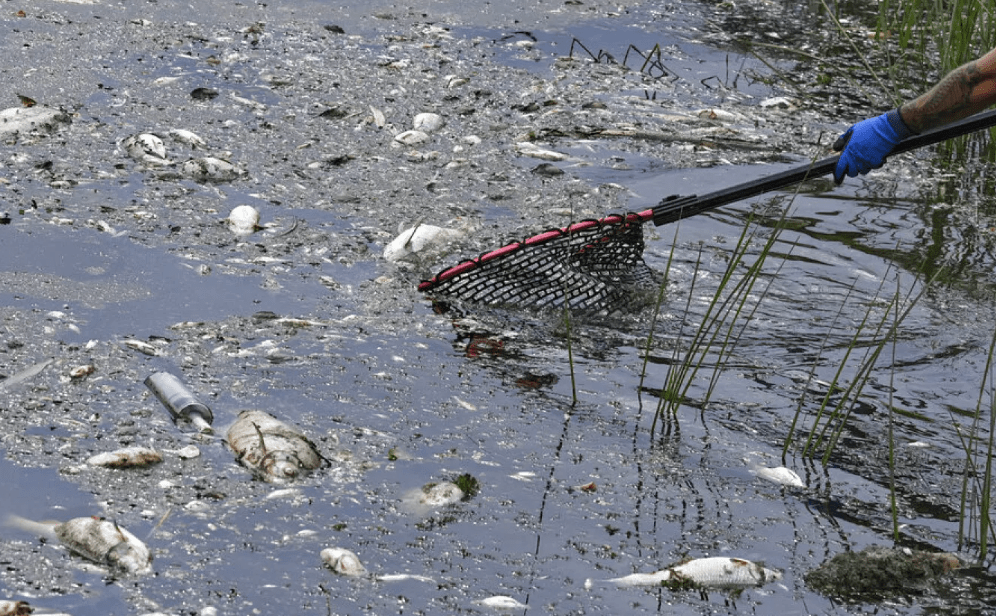
13. Oder River (Poland/Germany, 2022)
- Location & Stakeholders: Poland and Germany. Affected groups include border communities, environmentalists, and fishers.
- Sources of Pollution:
- Point: Suspected industrial discharge.
- Non-point: Agricultural and urban runoff.
- Status Quo: Investigation ongoing; temporary ecological collapse.
- Impacts: Mass fish deaths; international tension; ecological damage.
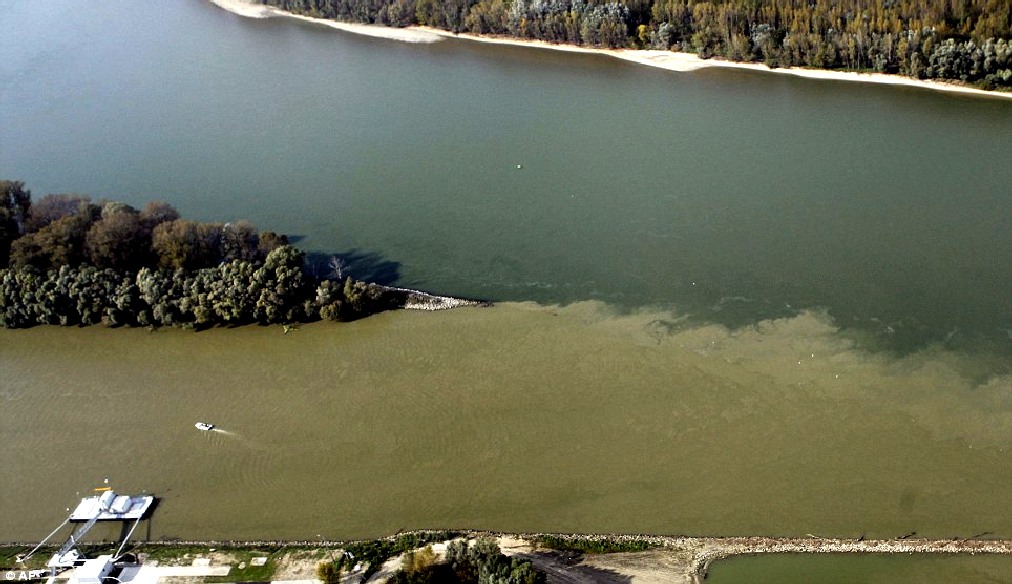
14. Danube River (Multiple Countries)
- Location & Stakeholders: Central and Eastern Europe. Stakeholders span 10+ countries including Hungary, Romania, Austria.
- Sources of Pollution:
- Point: Urban sewage, industrial waste.
- Non-point: Agriculture across multiple basins.
- Status Quo: EU-backed efforts improving water quality.
- Impacts: Biodiversity threats; impacts on drinking water and agriculture.
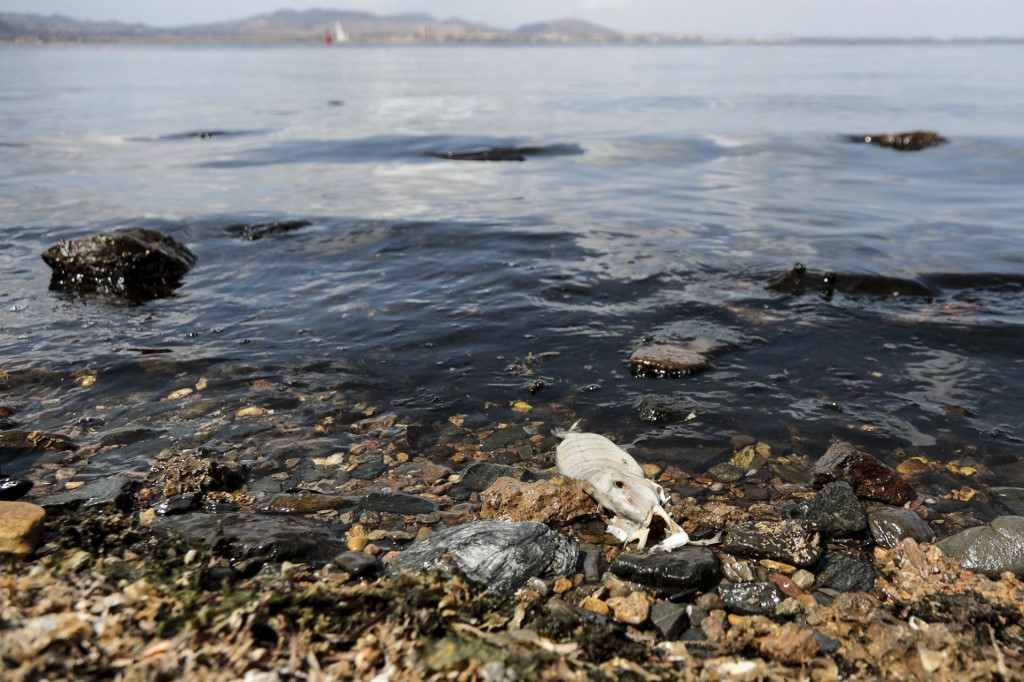
15. Mar Menor (Spain)
- Location & Stakeholders: Murcia, Spain. Affected include local farmers, residents, tourists, and marine life.
- Sources of Pollution:
- Point: Discharge from agricultural drainage systems.
- Non-point: Fertilizer runoff.
- Status Quo: Now protected under legal rights; pollution continues intermittently.
- Impacts: Algal blooms; mass fish die-offs; tourism decline.
16. Seine River (France)
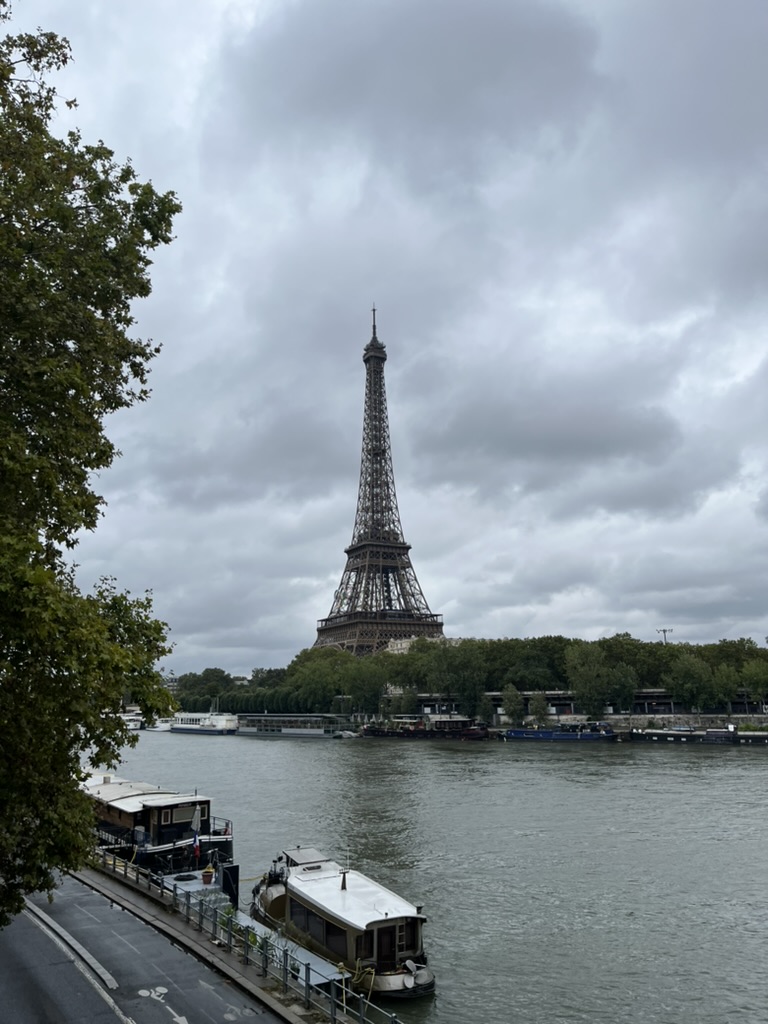
- Location & Stakeholders: Paris and surrounding areas. Stakeholders include residents, tourists, Olympic organizers, and environmental authorities.
- Sources of Pollution:
- Point: Urban wastewater and sewage outflows.
- Non-point: Runoff from streets and agricultural areas.
- Status Quo: Major clean-up underway in preparation for the 2024 Olympics.
- Impacts: Improved water quality; still challenges with bacteria levels and storm overflow.
![ESS 8.1.3 [AHL] Biocapacity and Environmental Migration](https://mypytrclass.com/wp-content/uploads/2025/12/image-4.png?w=1024)


![ESS 8.3.4 [AHL] Photochemical Smogs and Tropospheric Ozone](https://mypytrclass.com/wp-content/uploads/2025/12/image-1.png?w=1024)
 PYTR Class