
Learning Objectives
- Explain how understanding global and regional biodiversity is essential for creating effective strategies to conserve it.
- Outline the value or importance of our biodiversity
Levels of Understanding
In both cases, accurate biodiversity data helps in:
- Assessing ecosystem health
- Monitoring changes over time
- Setting realistic conservation goals
- Guiding policy decisions
- Engaging local communities
Global level
- Knowledge of biodiversity helps identify major biodiversity hotspots, endangered species, and ecosystems under threat.
- This allows for the prioritisation of conservation efforts where they are most urgently needed and can have the greatest impact.
Regional level
- Understanding local species, habitats, and ecological relationships enables the development of targeted strategies that consider specific environmental conditions, cultural contexts, and threats.
- For example, conservation methods that work in one region may not be suitable in another due to differences in climate, land use, or species composition.
Effective Management Strategies to Conserve Biodiversity
Introduction
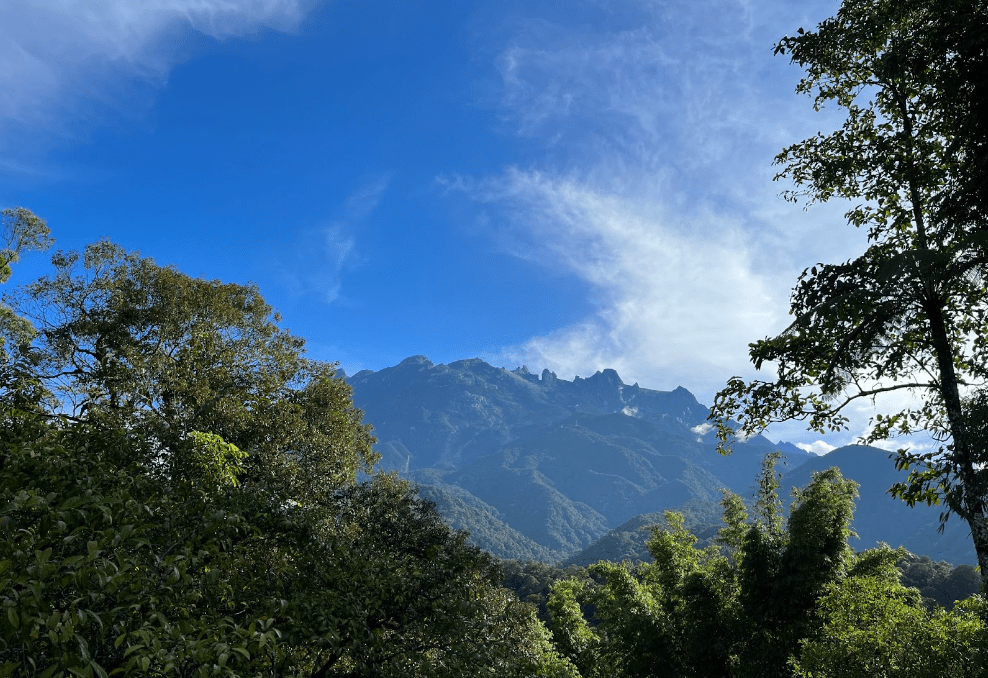
Mt. Kinabalu, 4095m
- Located in northern part of Borneo island in the state of Sabah (Malaysia side).
- The biggest mountain in Southeast Asia
- The third highest island peak in the world.
- Home to around 5000 to 6000 vascular plant species
- Home to many endemic species as the upper communities are isolated from elsewhere
- Resilient ecosystems are home to 2.5% of the world flora
[Case Study] The Bornean Birdwing Butterfly
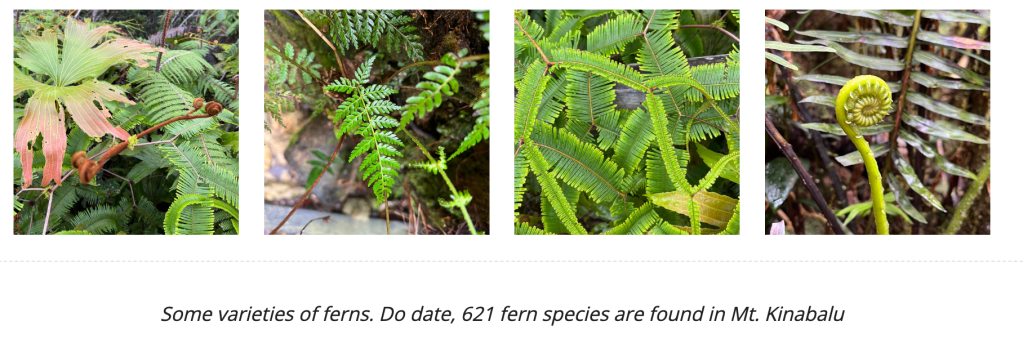
In sum, Mt. Kinabalu is a home for 711 documented species of orchids, 621 species of ferns, 27 species of Rhododendrons, 9 species of Nepenthaceae, 78 species of figs, 6 species of bamboo, 45 species of wild gingers, 81 species of palms, 2 species of Rafflesia, Unaccountable number of fungi, mosses, liverworth and lichens.
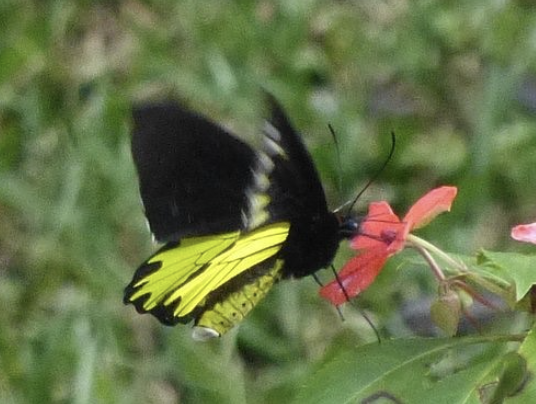
The Bornean birdwing butterfly is endemic to Borneo island although its distribution is limited to high elevation and cloud forest with average of 1000 to 2000m elevation above the sea level.
The role of citizen science in understanding the Bornean birdwing butterfly
- The butterfly is dimorphic – males an females have easily distinguishable morphologies.
- Their appearance and morphism attracts many people (journalist, ecologists, tourists) for photography.
The first photograph of the butterfly laying eggs was used to conclude that this species used vines (Aristolochia acuminata) as the host for caterpillar
Conservation and protections for the Bornean birdwing butterfly
- The common socio-economic activities around Mt. Kinabalu includes tourism (national park and hiking to the summit), homestay and kebun (smallholdings usually vegetable farming).
- The Bornean birdwing butterfly can also be found near human population with the socio-economic activities.
- Above the kebuns, there is a tract of montane forest (1500m elevation) which is a conserved area of the Bornean birdwing butterfly.
- Homestay operators, volunteers and government-funded agencies are working together to grow the host plant. This supports the breeding program
- In turn, more butterflies = more visitors coming to photograph these giant butterflies = provide a sustainable income for villagers.
- The increased number of caterpillars on host plants increases the number of adult butterflies.
- This also aims to conserve the montane forest above the village.
- The locals are trained for the breeding program and consequently promoting public awareness – hopefully will gain more attention to the global scale especially for the local authority to consider deforestation in the island.
The loss of habitat is a major concern. Mt. Kinabalu has been assigned as one of the world’s biodiversity hotspots in supporting global awareness and actions upon conservation. Hopefully we can preserve the current Kinabalu biodiversity for future generations
Value of Biodiversity
Importance of Biodiversity
Each component of biodiversity – including species diversity, habitat diversity, and genetic diversity – plays an essential role in sustaining and enhancing the resilience of ecosystems. In this context, resilience refers to the ability of an ecological system to maintain stability, recover from disturbances, and avoid passing ecological thresholds, or tipping points, beyond which sudden and often irreversible changes occur. A resilient system is therefore one that can absorb environmental shocks while continuing to function effectively.
High levels of species diversity generally support the formation of complex food webs, characterised by numerous feeding relationships and interactions among organisms. In such communities, the loss of a single species often has a limited effect on overall ecosystem functioning, as other species may perform similar ecological roles. However, this does not apply to keystone species, whose removal can lead to disproportionate and sometimes catastrophic ecosystem collapse. Species diversity is strongly influenced by the variety and availability of habitats. Ecosystems containing multiple habitats allow the development of numerous ecological niches, enabling more species to coexist and thus increasing overall biodiversity.
Genetic diversity further strengthens ecosystem resilience by providing populations with a broader range of traits and adaptive potential. A single gene may exist in several forms, known as alleles, each representing a slight variation in genetic coding. Genetic diversity is therefore measured by the number and variety of alleles present within a population. Populations containing many alleles are more likely to survive environmental fluctuations, disease outbreaks, and changing conditions, as some individuals will possess advantageous genetic traits. Consequently, genetically diverse populations demonstrate greater long-term resilience compared with those in which allele variation is limited.
Overall, biodiversity at the species, habitat, and genetic levels collectively enhances ecological stability, increases adaptive capacity, and reduces vulnerability to disturbance, making it a fundamental requirement for sustainable ecosystem functioning.
![ESS 8.1.3 [AHL] Biocapacity and Environmental Migration](https://mypytrclass.com/wp-content/uploads/2025/12/image-4.png?w=1024)




![ESS 8.3.4 [AHL] Photochemical Smogs and Tropospheric Ozone](https://mypytrclass.com/wp-content/uploads/2025/12/image-1.png?w=1024)

 PYTR Class