
Learning Objectives
- Describe how Earth’s 4.5-billion-year history and long-term geological processes have contributed to the evolution of life.
- Explain how Earth’s history is divided into geological epochs based on evidence from the fossil record.
- Describe how mass extinctions are typically followed by rapid speciation due to the opening of ecological niches.
- Define the Anthropocene as a proposed geological epoch marked by significant human-driven environmental change and species extinction.
- Explain how current human activities are creating global changes that will be evident in the geological record.
Part 1: Eons and Epochs
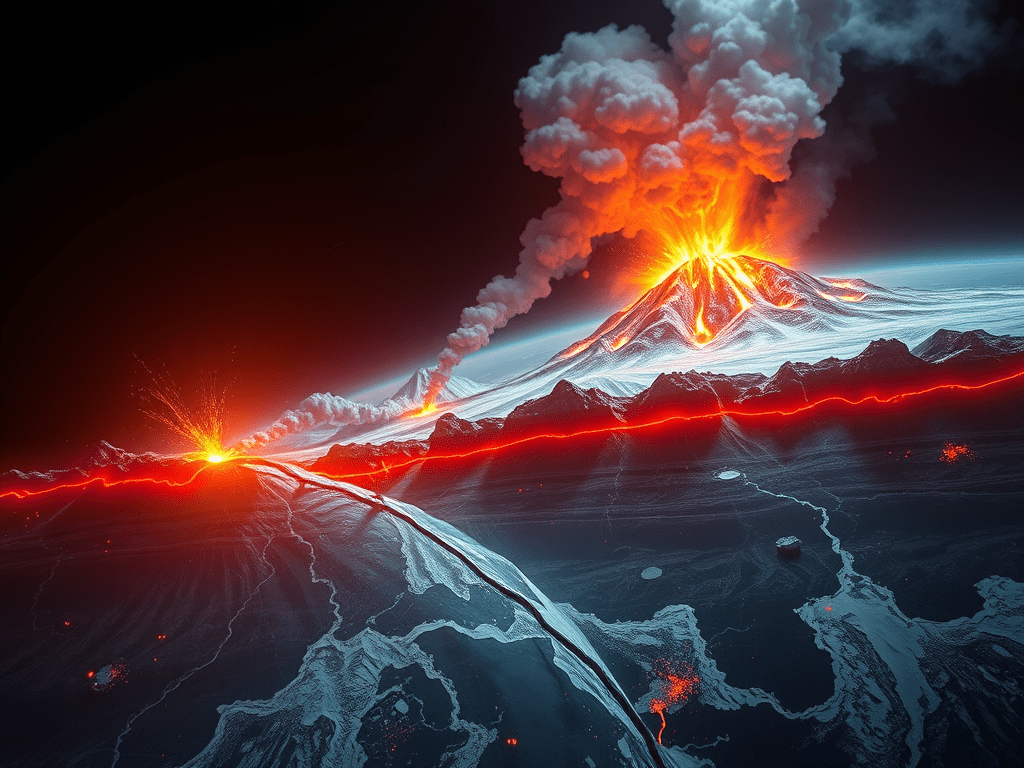
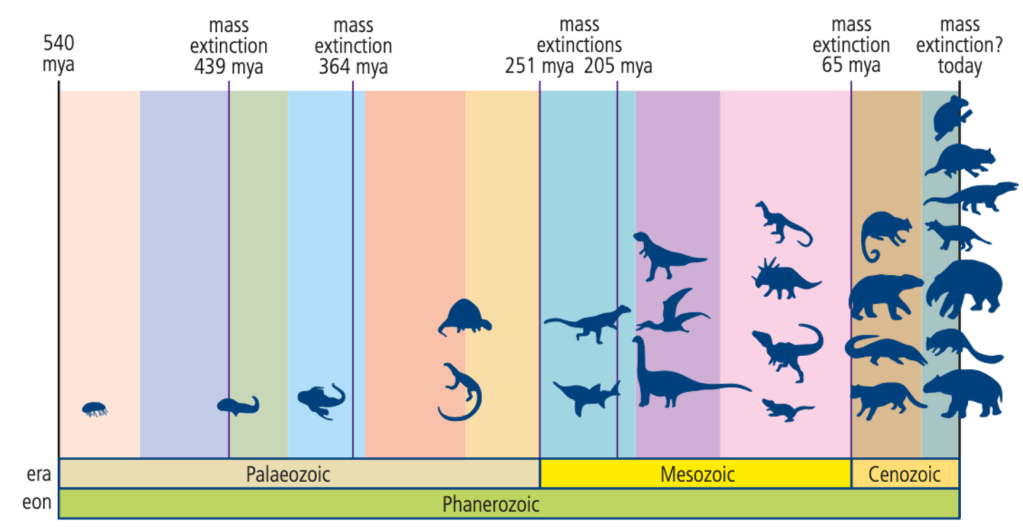
The geological timescale is divided into eons, which are further classified into eras periods and epochs
Key terminologies
- Eon = A unit of time
- Era = A unit of time. Shorter than eon but longer than a period
- Period = A unit of time. Shorter than era but longer than epoch
- Epoch = A unit of time. Shorter than period but longer than an age
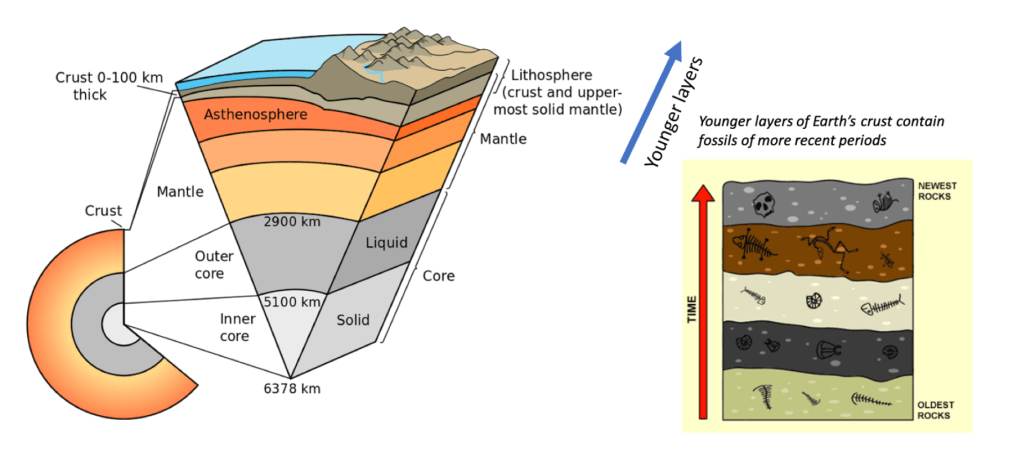
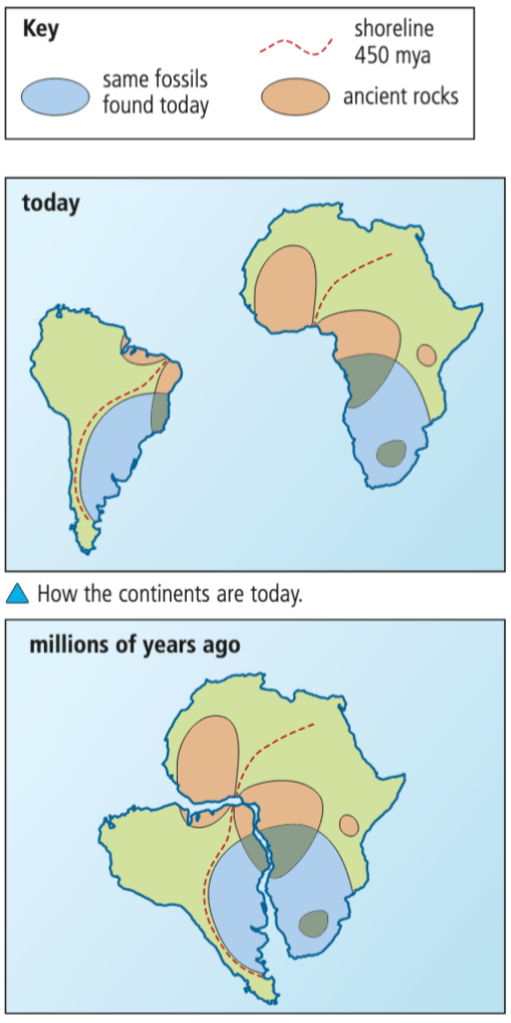
- Evolution of life on Earth started 4.5 billion years ago.
- Previous organisms died and become part of the Earth’s crust layers.
- The inner layers of the earth crust contain older fossils
Part 2: Mass Extinction Events
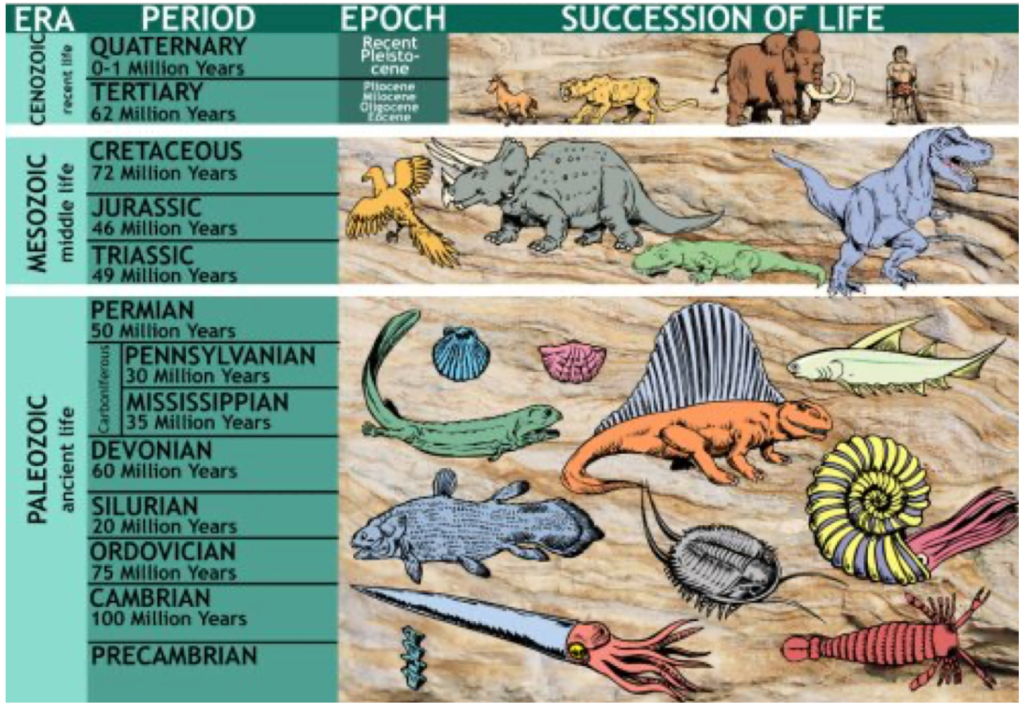
The Ordovician–Silurian extinction
439 mil years ago
- Glaciers formed – dropping sea level
- Killed 86% species
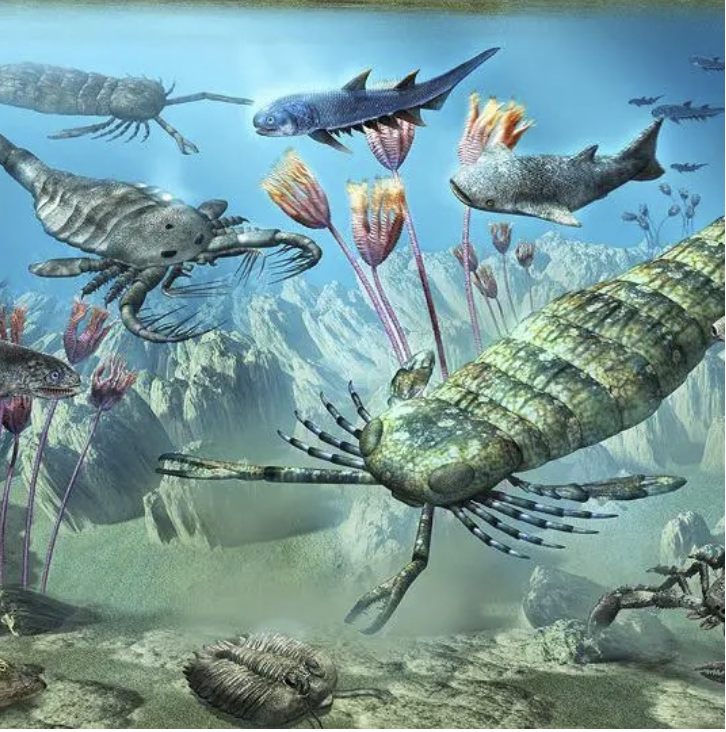
The Late Devonian extinction
364 mil years ago
- Global cooling
- Diversification of plants dropping the level of CO2
- Killed 75% of all species
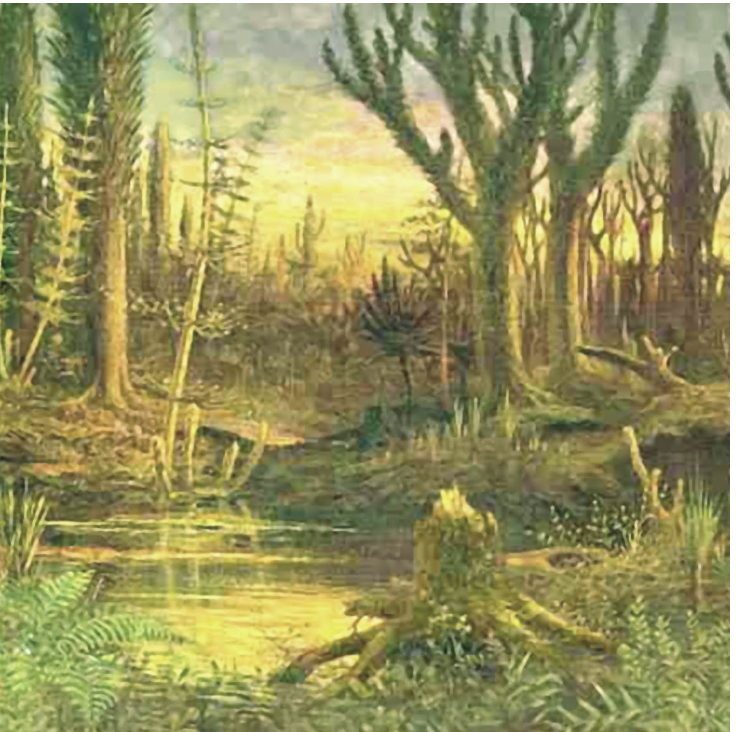
The Permian–Triassic extinction
251 mil years ago
- Largest extinction event
- May be due to an asteroid (but not evidence yet) and may also be due to the tectonic movement (Pangaea formation)
- Others believe the cause was volcanic activity, as with the End Triassic extinction, from the Siberian Traps
- Algae and plants died causing drop in O2 level
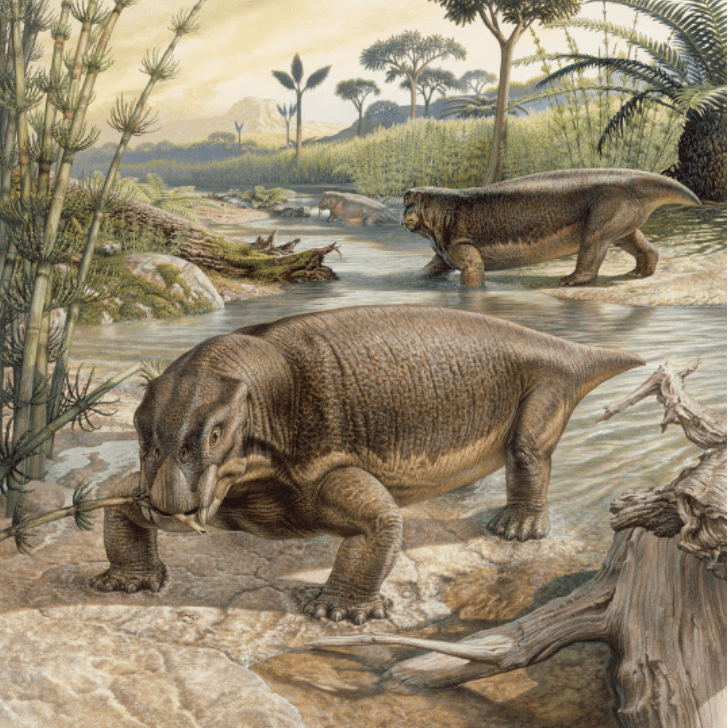
The End Triassic extinction
199 – 214 mil years ago
- Widespread of volcanic eruptions
- Huge emission of CO2 and CH4
- CO2 acidified the ocean
- 80% of species went extinct
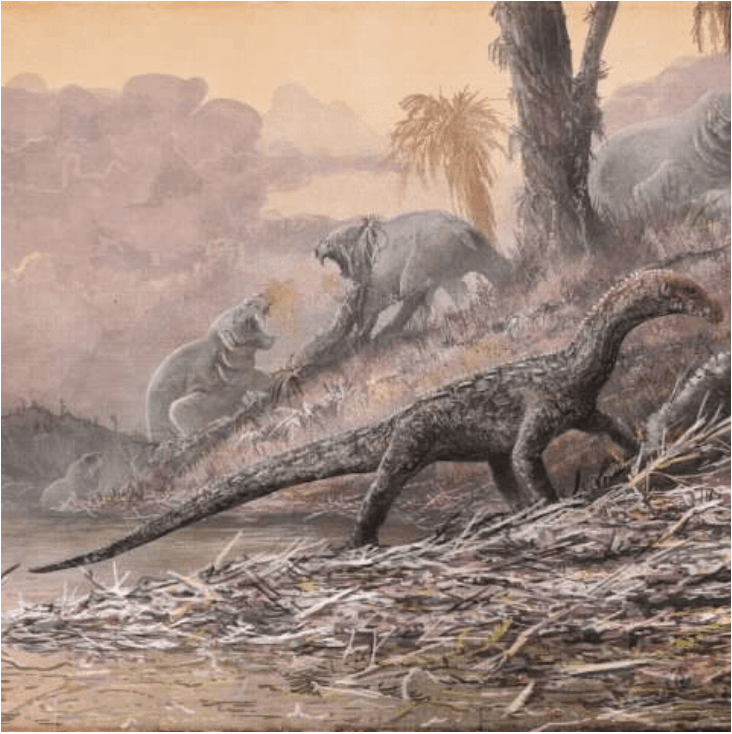
The Cretaceous–Tertiary extinction
65 mil years ago
- Caused by the impact of a several-mile-wide asteroid that created a huge crater, which is now hidden beneath the Gulf of Mexico.
- Reduced sunlight
- Drop in temperature
- Flood-like volcanic eruptions
- Climate change
- Tectonic rearrangement
- 76% of species went extinct
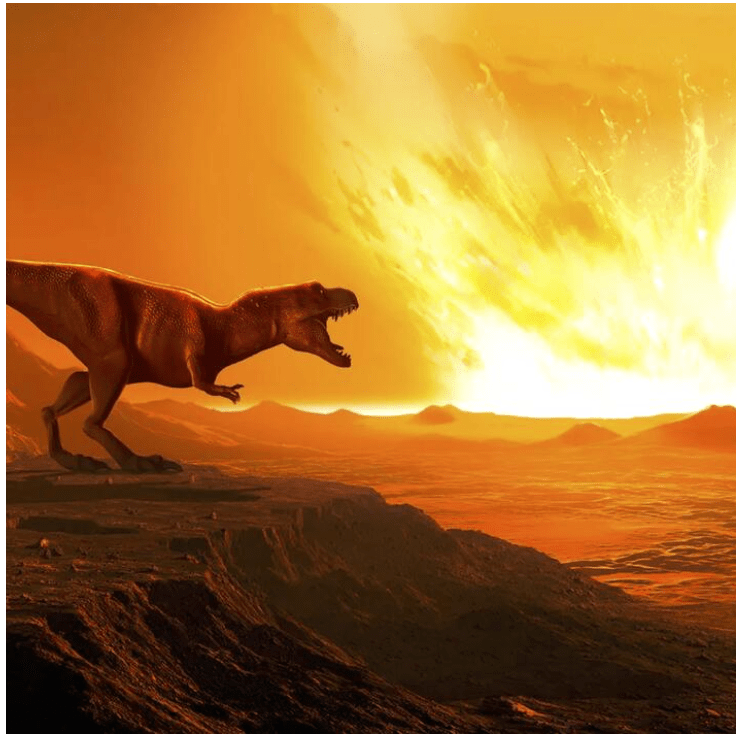
Sixth Mass Extinction?
- Phase 1: began when the first modern humans began to disperse to different parts of the world about 100,000 years ago
- Phase 2: began about 10,000 years ago when humans turned to agriculture.
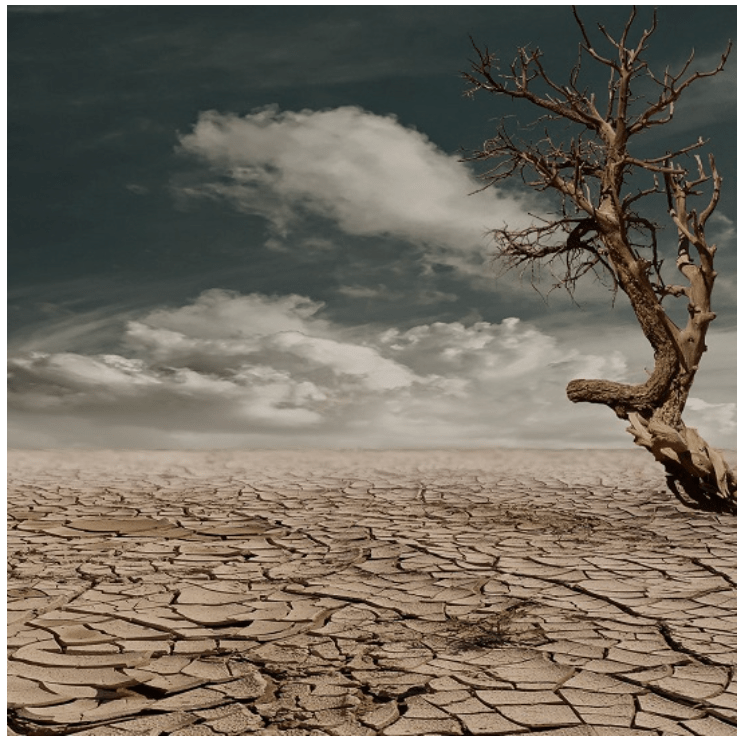
- Approximately only 1% of the species from the previous era still exist today.
- Although the mass extinction events killed many species, each event gave new direction for biodiversity
- The large-scale loss of species led to new opportunities for surviving populations, with many groups undergoing adaptive radiation
Part 3: The Anthropocene
Holocene and Anthropocene
- Holocene – quaternary period – which existed for about 2 million years, was distinguished by regular shifts into and out of glacial and inter-glacial phases
- Scientists believe that we have entered a new epoch called the Anthropocene
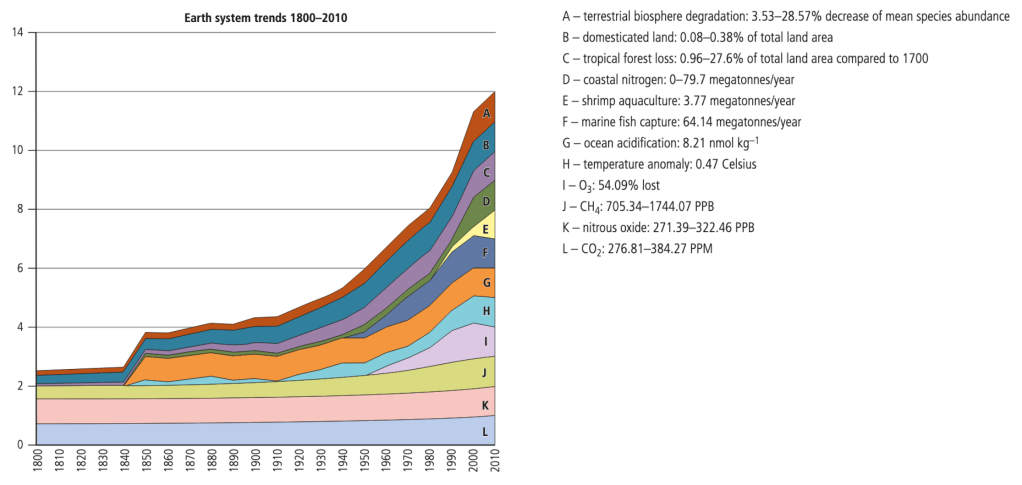
- Great Acceleration = dramatic, continuous, approximately simultaneous and rapid increase of factors across a large range of measures of human activity
- first recorded in the mid-20th century and continue to this day
Evidence of Anthropocene
- signals from chemical pollution are currently accumulating in geological strata, with the potential to be preserved into the far future
- mixing of native and non-native species, which will be represented in the fossil record
- deposits from nuclear testing
- modification of terrestrial and marine sedimentary systems
- minerals created solely or primarily from human activity
Types of Extinction
- Local extinction (extirpation) species no longer found in an area where it was once found
- Ecological extinction so few members of a species are left that it can no longer play its ecological role in the ecosystem
- Biological extinction species is no longer found anywhere on the earth
![ESS 8.1.3 [AHL] Biocapacity and Environmental Migration](https://mypytrclass.com/wp-content/uploads/2025/12/image-4.png?w=1024)


![ESS 8.3.4 [AHL] Photochemical Smogs and Tropospheric Ozone](https://mypytrclass.com/wp-content/uploads/2025/12/image-1.png?w=1024)

 PYTR Class