

Learning objectives
- Describe how laws govern human behaviour and are enforced by social or governmental authority
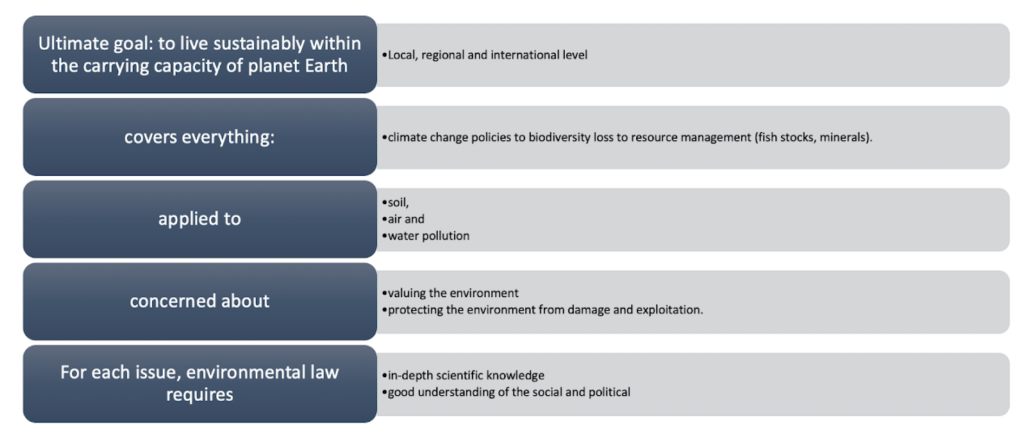
- Explain the purpose of environmental law in managing human use and impact on natural resources to promote sustainability
- Discuss the role of environmental law in supporting environmental justice and the challenges posed by lobbying
- Define environmental constitutionalism and its significance in embedding environmental rights and obligations in constitutions
Part 1: The Need for Law
Environmental law governs the relationship between human activities and the natural environment. It is designed to address a wide range of issues, including:
- Unsustainable use of natural capital
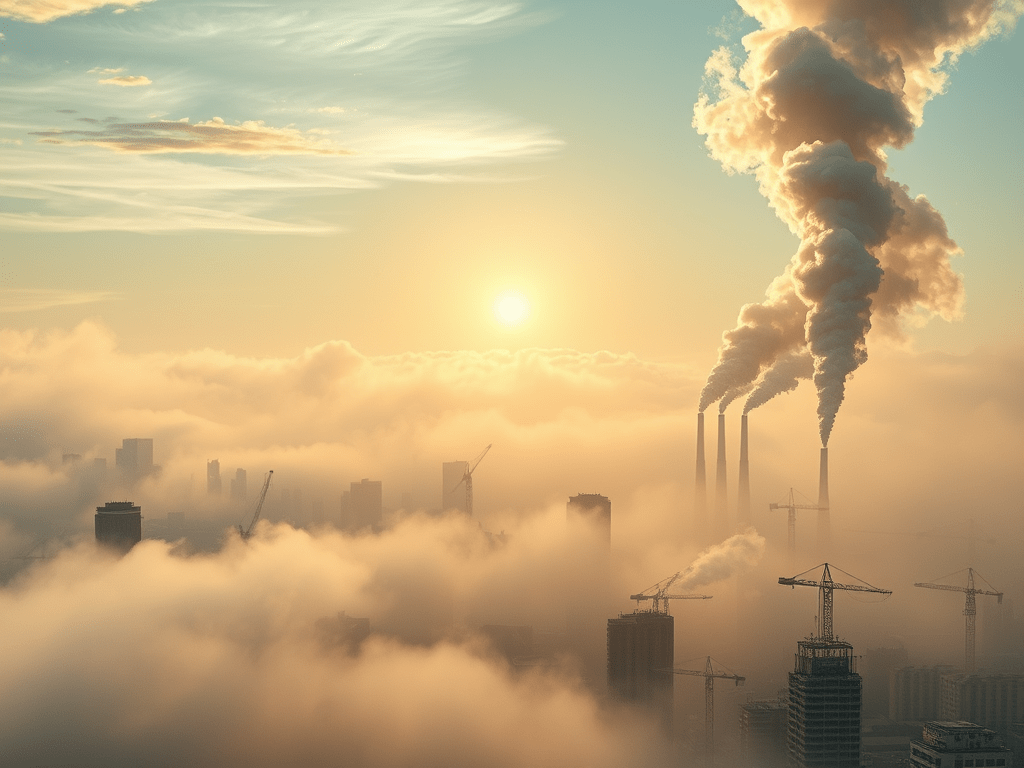
- Air, water, and soil pollution
- Land degradation
- Deforestation
- Climate change
- Species extinction
Its primary purpose is to prevent and reduce the harmful effects of human actions on the environment. This is achieved by establishing rules and regulations that individuals, businesses, and governments are required to follow. These legal frameworks help limit environmental damage while encouraging sustainable development.
Environmental law can be grouped into two main categories:
- Domestic environmental law: Focuses on national or regional environmental concerns.
- International environmental law: Addresses global issues by guiding the behavior of countries, regions (territories), and organizations.
Areas covered under environmental law may include the management of:
- Natural resources (e.g., fisheries, forests, minerals)
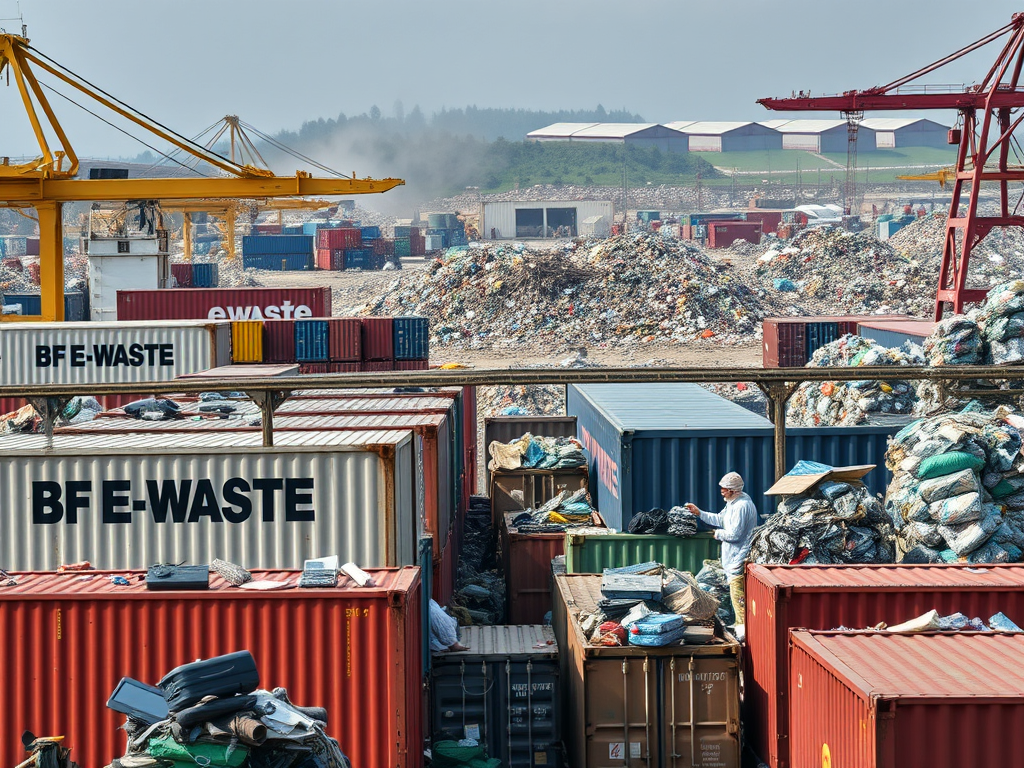
- Hazardous waste
- Air quality
- Water quality
Strong laws, made and enforced by a government or social authority – essential for a well-functioning society.
- ensure that everyone is treated fairly
- that the powerful are held accountable,
- that the rights of all people are protected.
This creates a stable and peaceful environment where everyone can thrive
- Everyone is accountable for their actions, regardless of their wealth or status.
- Everyone has equal opportunities and is treated fairly under the law.
- Everyone has access to justice, even if they cannot afford to hire a lawyer.
- Human rights and the environment are protected
- Corruption is low and violence is rare.
Who’s Involved?
- includes agreements between many countries to work together to protect the environment.
- These agreements, called multilateral treaties
- provide a framework for countries to cooperate internationally on issues such as climate change, air pollution, and biodiversity conservation.
- Example:
Miracle of the Commons
- Contrast of the tragedy of the commons
- Developed by Elinor Ostrom, a political scientist
- Believes that people can share resources sustainably
- Reflect on the complexity of making and enforcing environmental laws – appreciate the scale of assigning such laws to interconnected systems
- How do we see the world as one interconnected system
Social Justice in Environmental Law

Environmental Law
- At its first universal session in 2013, UNEP’s Governing Body adopted Decision 27/9, on Advancing Justice, Governance and Law for Environmental Sustainability.
- This decision is the first internationally negotiated document to establish the term ‘environmental rule of law.’
- It invited Governments and relevant organisations to reinforce international, regional and sub-regional cooperation to combat noncompliance with environmental laws
Aarhus Convention
New kind of environmental agreement.
The Convention was designed to support the following factors that align well with the concept of environmental justice;
- Links environmental rights and human rights
- Acknowledges that we owe an obligation to future generations
- Establishes that sustainable development can be achieved only through the involvement of all stakeholders
- Links government accountability and environmental protection
- Focuses on interactions between the public and public authorities in a democratic context.
Part 2: Challenges of Environmental Law
- Varies between countries
- A UN report in 2019 summarised the variation of the effectiveness of international law as follows
- As of 2017, 176 countries have environmental framework laws, 150 countries have enshrined environmental protection or the right to a healthy environment in their constitutions, and 164 countries have created cabinet-level bodies responsible for environmental protection, according to the first-ever global assessment of environmental rule of law.
- Weak enforcement however is a global trend exacerbating environmental threats.
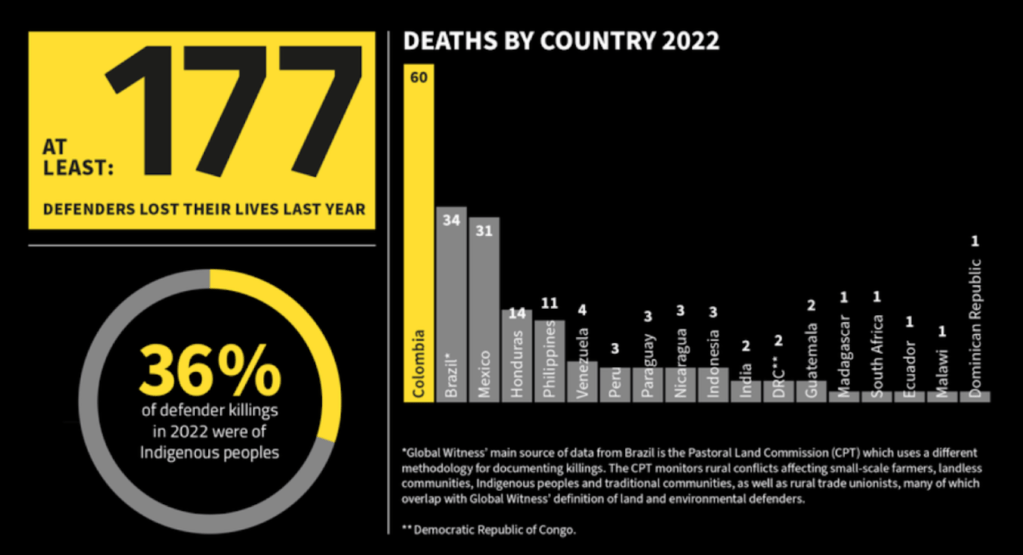
- The backlash against implementation efforts includes harassment, arbitrary detention, and murders of environmental defenders
- May also be due to the lack of clarity in the written law
- Defenders are met with threats and violence – some were murdered
- Done by those with financial interests
Strengths and Limitations of Environmental Law
Strengths:
- Protection of natural resources: By safeguarding ecosystems such as forests, wetlands, and oceans, environmental laws help maintain biodiversity and ecological balance, ensuring the sustainability of Earth’s systems.
- Promotion of sustainable practices: Laws can encourage responsible use of resources through measures like water conservation, sustainable farming, and investment in renewable energy. This reduces the harmful impact of human activities on the environment.
- Pollution control: By setting clear limits on pollutants—including greenhouse gas emissions—laws can regulate industrial, agricultural, and technological practices, thereby reducing environmental degradation.
- Accountability for polluters: Fines, penalties, and legal consequences for non-compliance discourage harmful practices and encourage businesses and individuals to adopt more sustainable behaviors.
Limitations:
- Narrow scope: Many laws target specific issues, such as air or water pollution, but may fail to address interconnected global problems like climate change or biodiversity loss.
- Interconnected systems and global challenges: Because ecosystems cross borders, local or national laws may be insufficient to deal with global-scale issues that require international cooperation.
- Conflicting interests: Economic development, food, water, and energy security often take precedence, making it harder to enact or enforce strong environmental protections.
- Enforcement difficulties: Monitoring and policing activities such as poaching or the illegal wildlife trade is challenging, especially in remote or large areas. Identifying offenders can also be difficult.
- Jurisdictional limitations: Environmental problems are often global, but laws typically function at local or national levels, making international collaboration essential yet complex.
- Short-term political cycles: Frequent changes in leadership and shifting political priorities can disrupt environmental policies. Issues requiring long-term solutions, such as climate change, may not receive the sustained attention or urgency they demand. Political will is therefore vital for meaningful progress, but often inconsistent.
![ESS 8.1.3 [AHL] Biocapacity and Environmental Migration](https://mypytrclass.com/wp-content/uploads/2025/12/image-4.png?w=1024)



![ESS 8.3.4 [AHL] Photochemical Smogs and Tropospheric Ozone](https://mypytrclass.com/wp-content/uploads/2025/12/image-1.png?w=1024)
 PYTR Class