
Learning Objectives
- Describe sustainable agricultural practices
- Soil conservation techniques
- Sustainable food supply practice
- Human dietary shift
Agricultural Systems and Soil Degradation
Agricultural systems can be understood as simplified ecosystems in which farmers cultivate selected crops while deliberately suppressing competing plant species and pests in order to maximise yields. This simplification extends to soil processes: the continuous removal of organic matter through harvesting reduces fertility, while the reliance on inorganic fertilisers does not restore the organic component of the soil. Intensive arable systems based on inorganic inputs therefore contribute to long-term soil impoverishment. Although many farmers are aware of this decline, prevailing market conditions provide little incentive to invest in practices that enhance soil quality when higher prices are not attached to sustainably produced crops.
Part 1: Soil Conservation Techniques
As inorganic fertilisers contribute nutrients but not organic matter, and as harvesting removes much of the latter, soil degradation is inevitable unless alternative practices are adopted. Sustainable agricultural systems therefore employ a variety of soil conservation techniques that focus on preventing erosion, maintaining fertility, and improving cultivation practices.
Against erosion by wind and water:
Wind erosion may be reduced by planting tree or hedge windbreaks, establishing cover crops that are not harvested for sale but serve to protect the soil, constructing stone walls, or erecting solid fencing. Measures to address water erosion include terracing, commonly employed in rice cultivation; ploughing along contour lines; the construction of bunds to slow or halt water flow; drainage systems involving ditches, pipes and reservoirs; the use of cover crops; the maintenance of continuous ground cover through mulching or inert materials; and the placement of stone lines along contour features to reduce surface runoff.
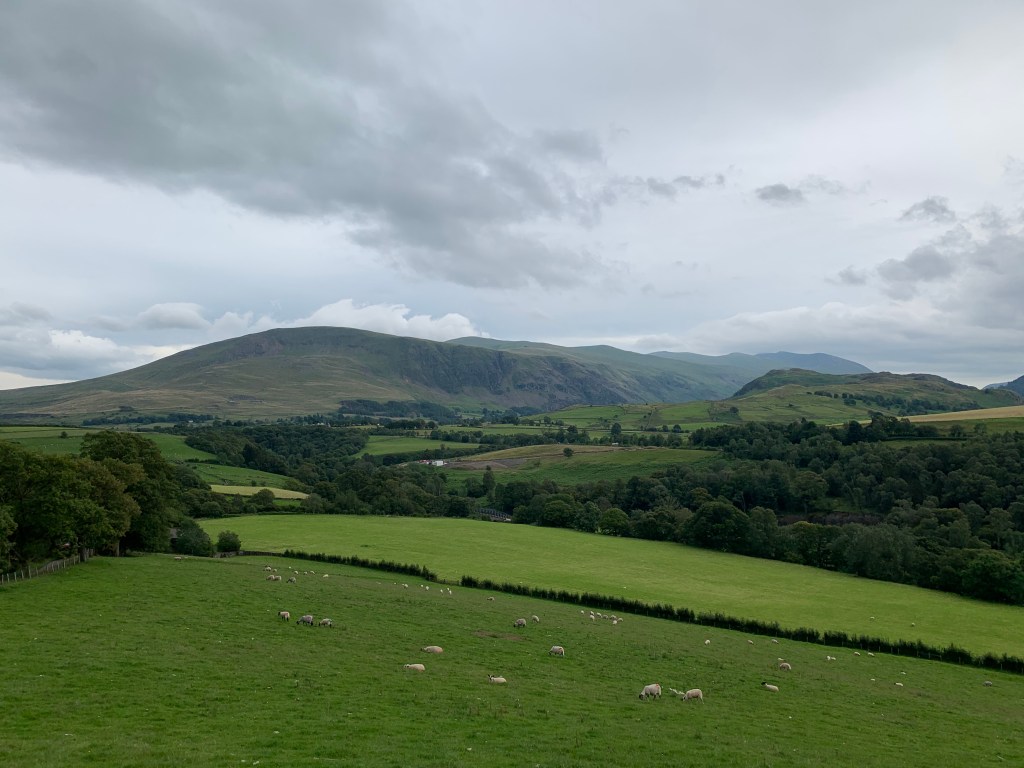
Shelter belt – Trees are planted around or between fields to avoid erosion by wind 
Crop cover – crops grown not for sale but to protect the soil 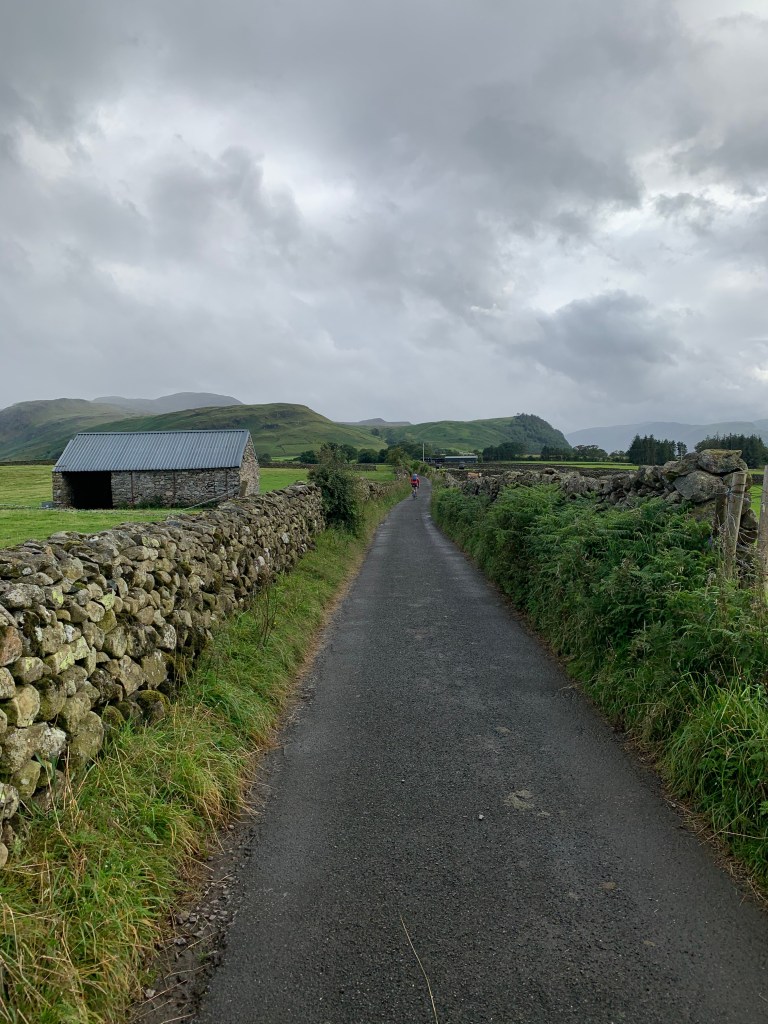
Stone wall and solid fencing – built around and between fields. 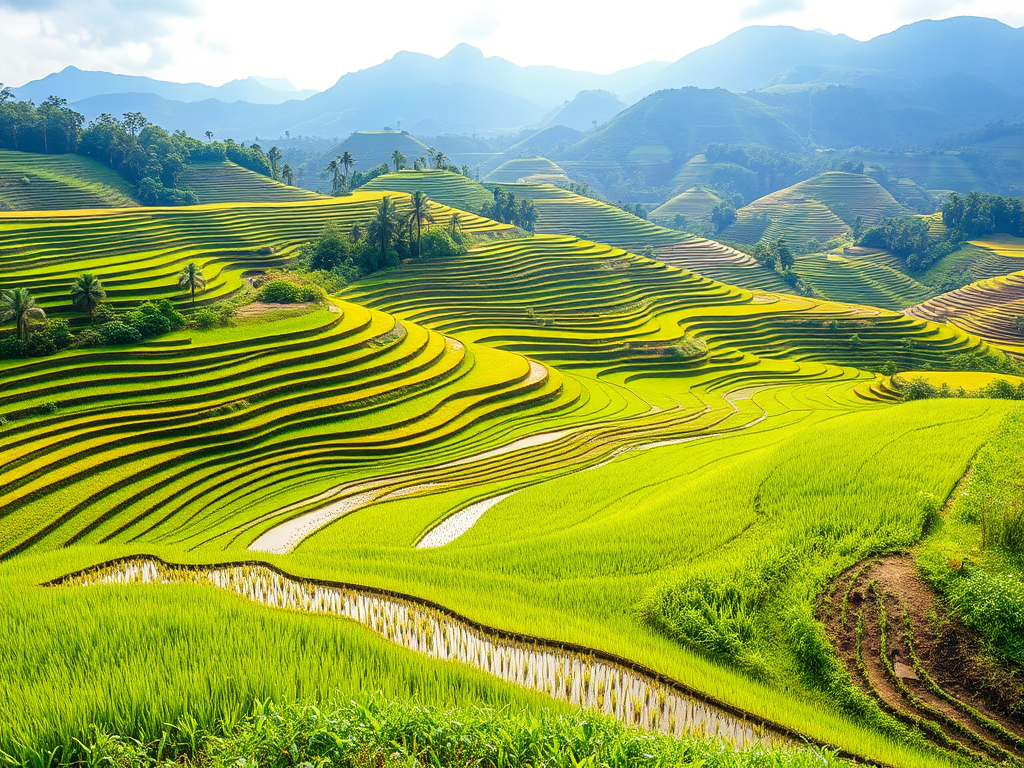
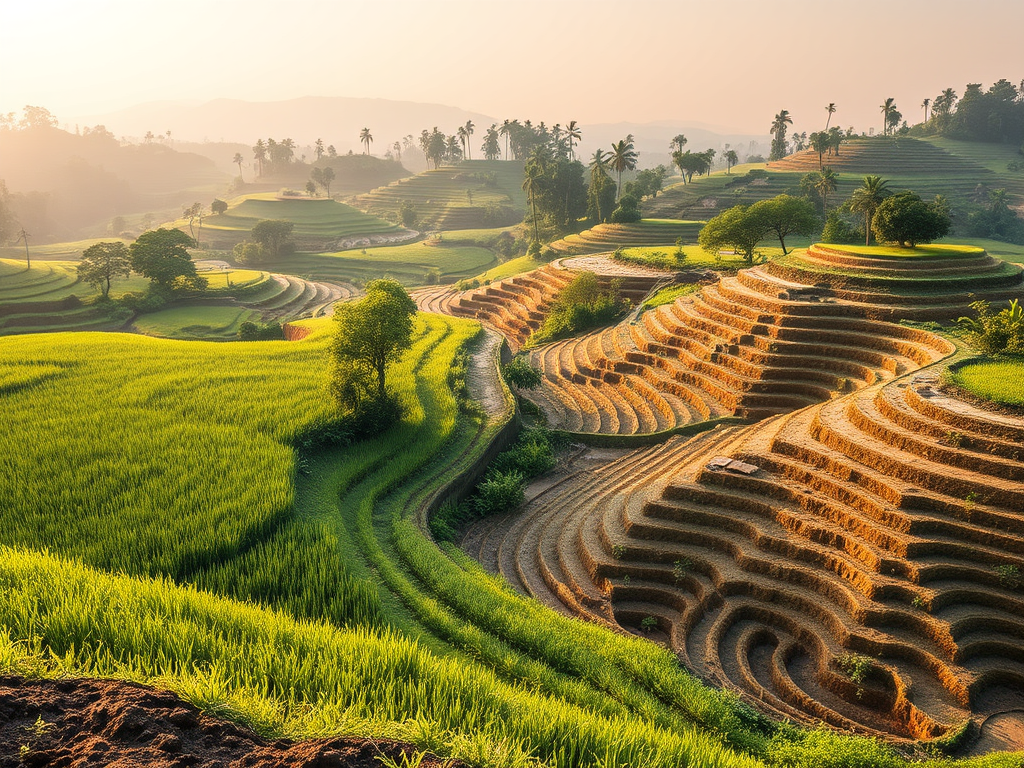
Terracing – often used in paddy fields 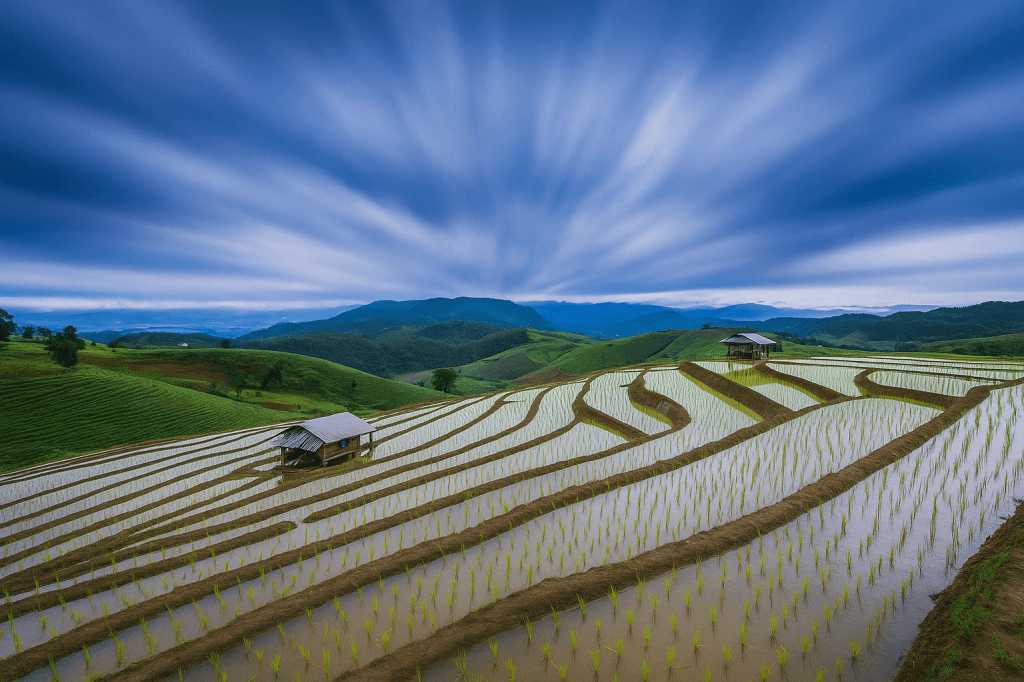
Bunding (soil embankment or wall) built slow down water flow and allow it to infiltrate the soil 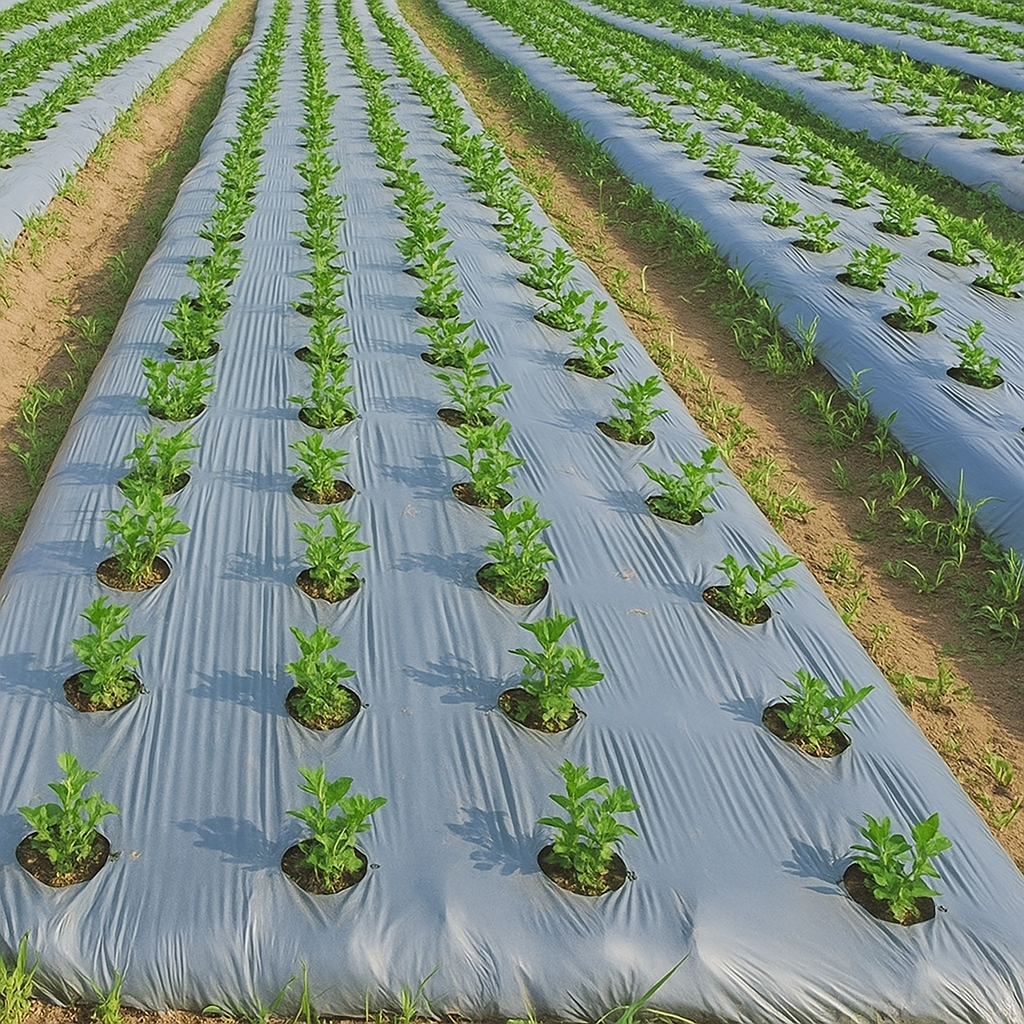
Continuous ground cover—by an inert material or by mulch 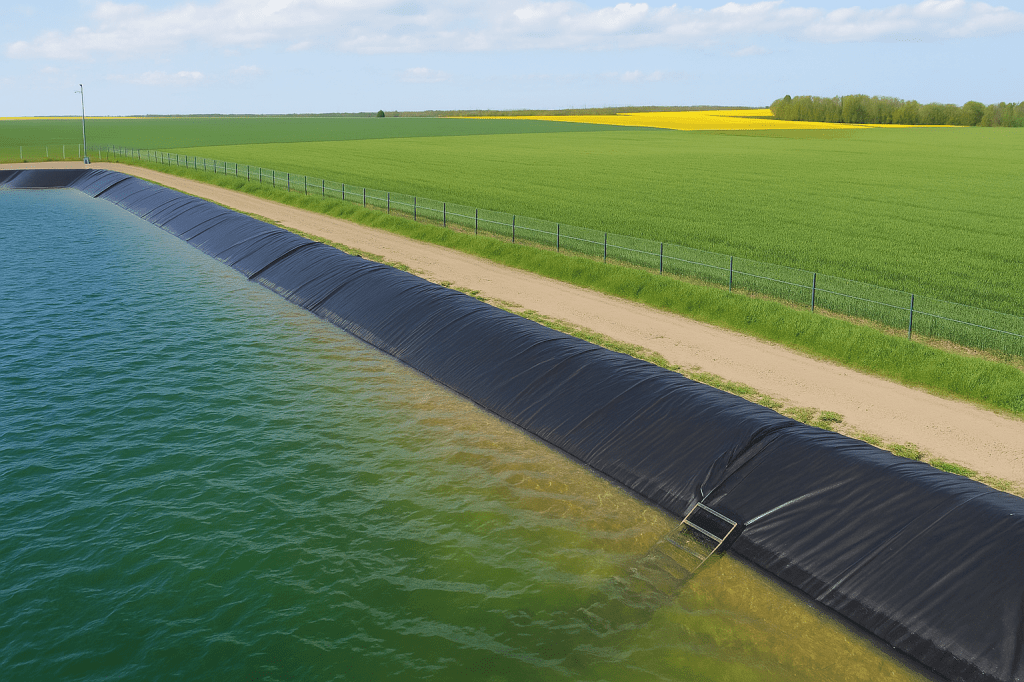
Drainage systems (ditches, pipes, reservoirs) – provide a pathway for excess or drainable water to leave the soil 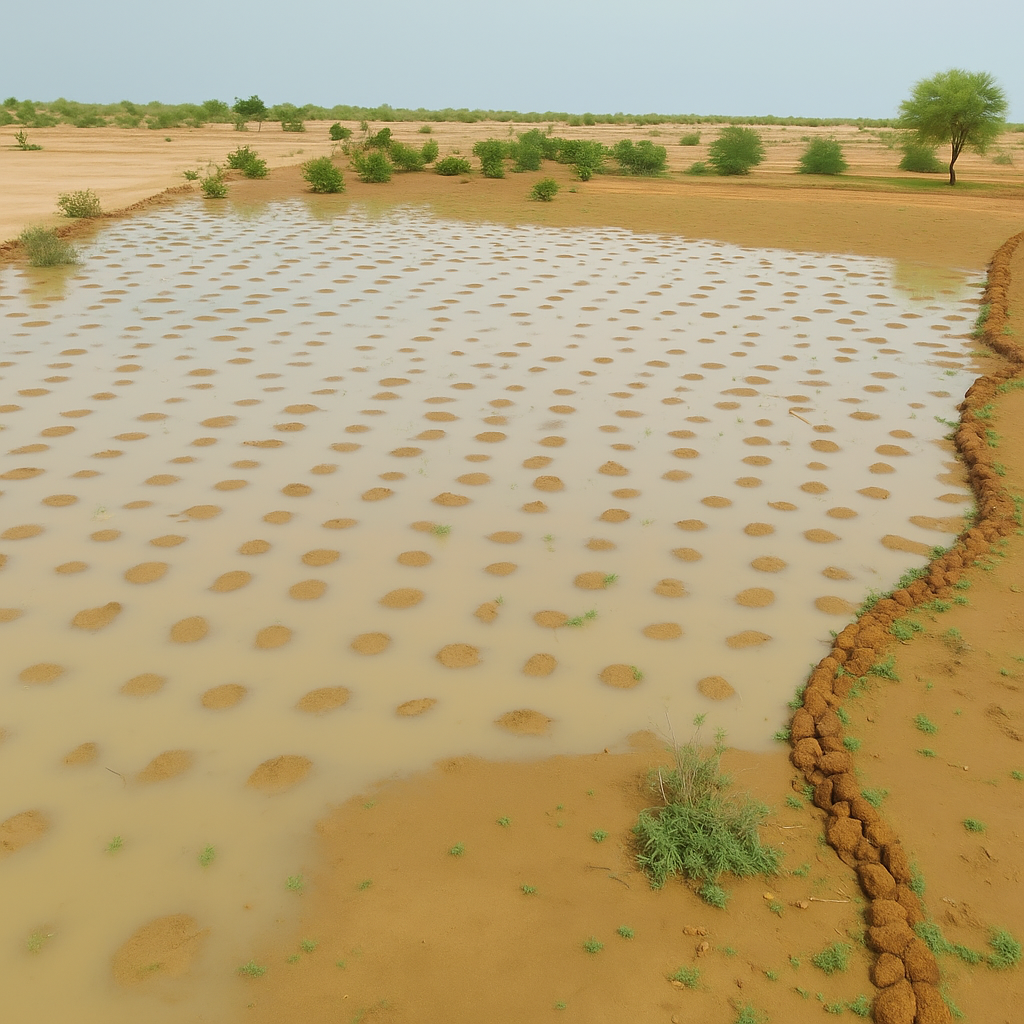
Stone lines—placed along contours to slow water run-off
Conserving Soil Fertility
Soil fertility can be conserved through the application of lime to regulate pH and the incorporation of organic materials such as compost, green manures and leaf litter. Other practices include selective harvesting of forest trees to allow regeneration, leaving fields fallow for one or more seasons, and the use of herbal mixed leys—temporary grasslands containing a mixture of grasses, legumes and herbs that improve soil quality and provide fodder. Mycorrhizal associations between fungi and crops further enhance nutrient uptake, particularly phosphorus, while agroforestry systems integrate trees and crops or livestock on the same land, thereby generating multiple products and improving ecological resilience.
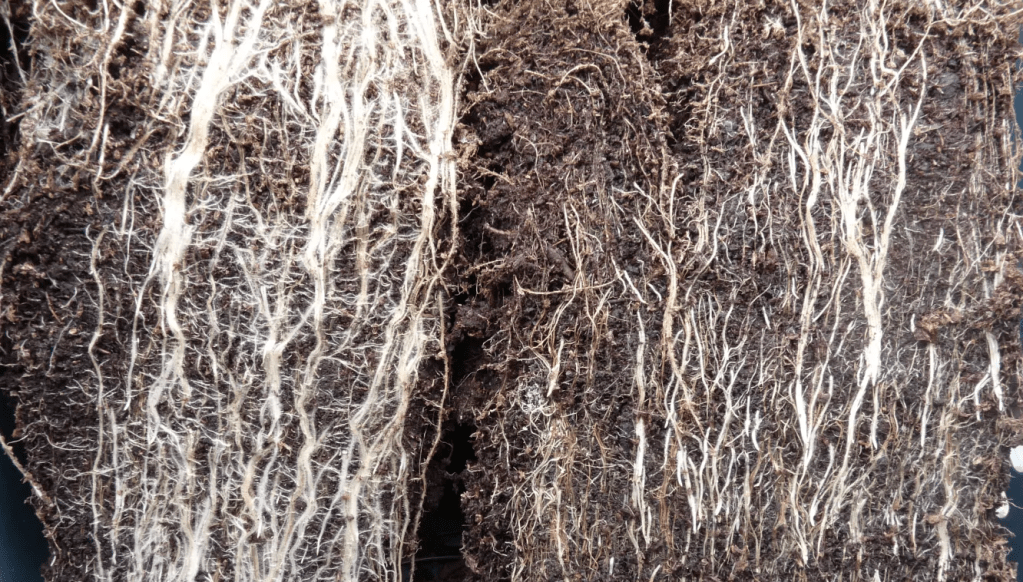
Mycorrhizal fungi – these form an association between the crop plant and the fungus. The plant provides sugars for the fungus; the fungus provides water and nutrients, particularly phosphorus, to the plant. Can you guess which one has the fungi? 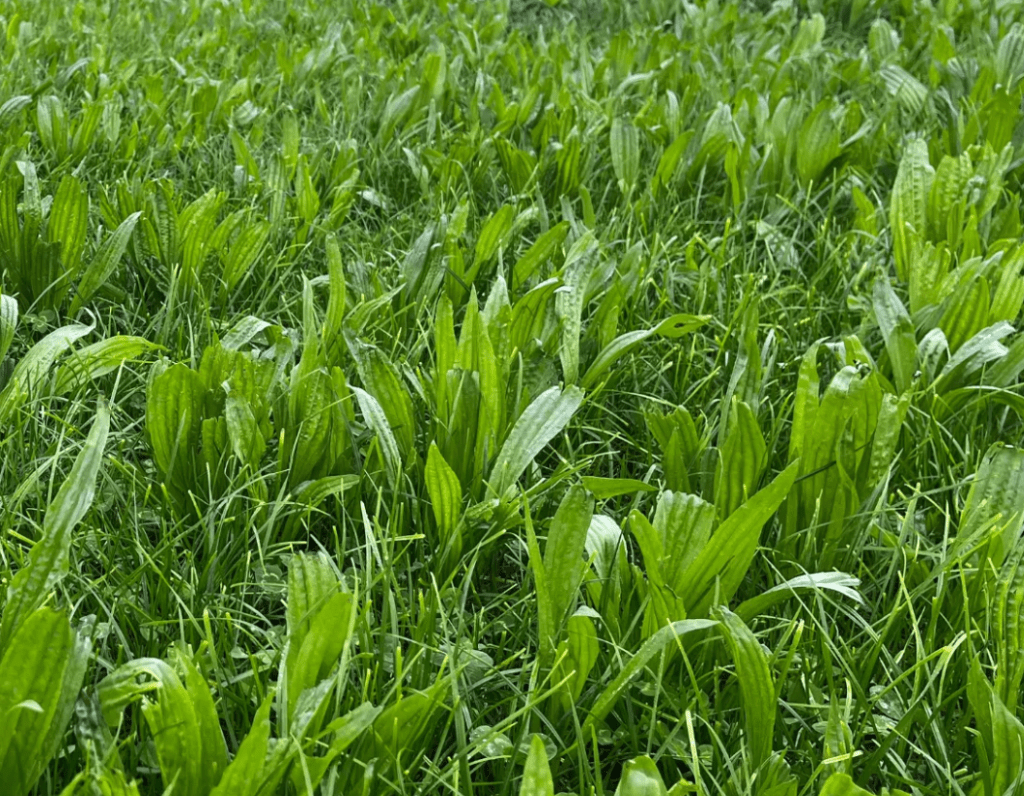
Mixed herb leys – leys—a ley is temporary grassland and a herbal ley is a complex seed mixture of grasses, legumes and herbs which benefits livestock and increases soil fertility 
Agroforestry – planting trees with agriculture on the same land, e.g. nut trees with sheep provides two products.
Cultivation Techniques
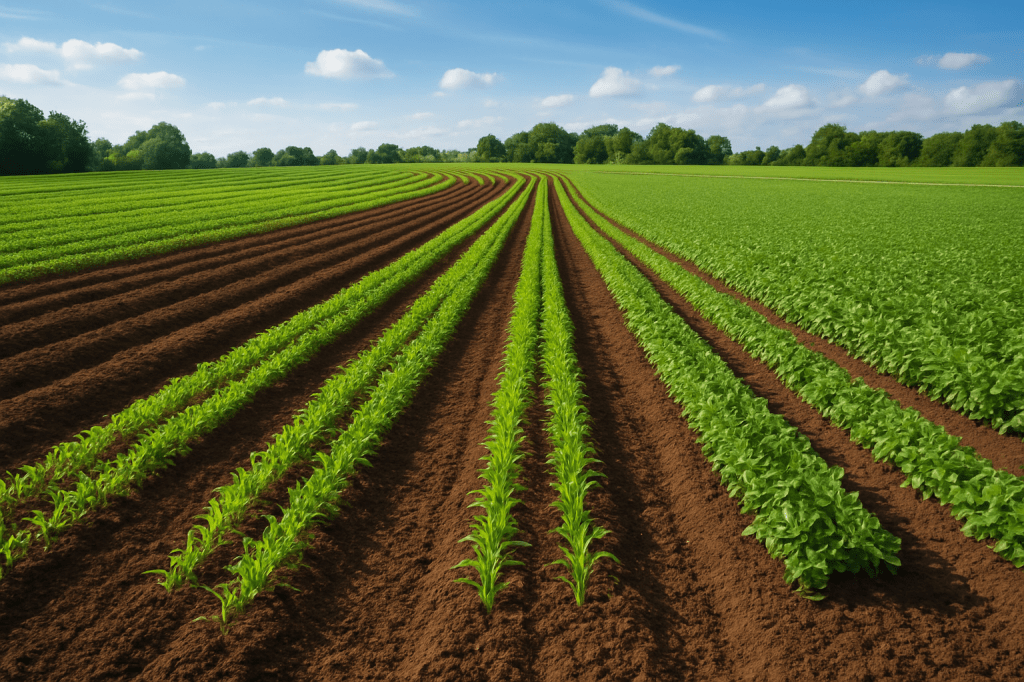
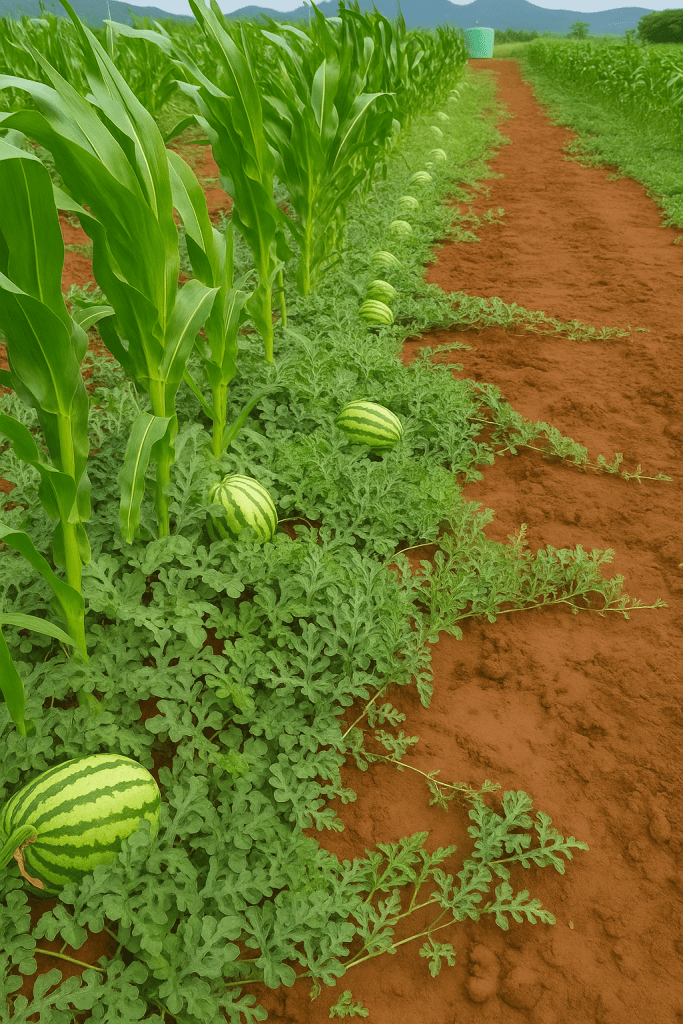
Cultivation practices that support soil conservation include avoiding the use of marginal lands that are steep or of poor quality, limiting overgrazing and overcropping, and adopting systems such as strip cropping, mixed cropping and multi-year rotations. Reduced tillage and the limited use of heavy machinery further minimise soil disturbance and compaction.
Part 2: Sustainable Food Supply
Given that virtually all suitable land is already in use for some form of agriculture, strategies to achieve sustainable food supply must focus on improving efficiency rather than expanding farmland. This entails both reducing demand and waste and enhancing productivity on existing agricultural land.
Promising avenues include the development of plant-based meat analogues derived from soy, peas, wheat gluten and other pulses. While such substitutes may be attractive to consumers, their high sodium content and use of controversial additives raise questions as to whether direct consumption of plants represents a more sustainable approach. Improvements in nutrient management are also critical: nitrogen losses from soils through leaching and denitrification can be reduced via precision farming and careful timing of fertiliser application. Methane emissions from ruminant livestock and flooded rice cultivation likewise represent a major target for mitigation.
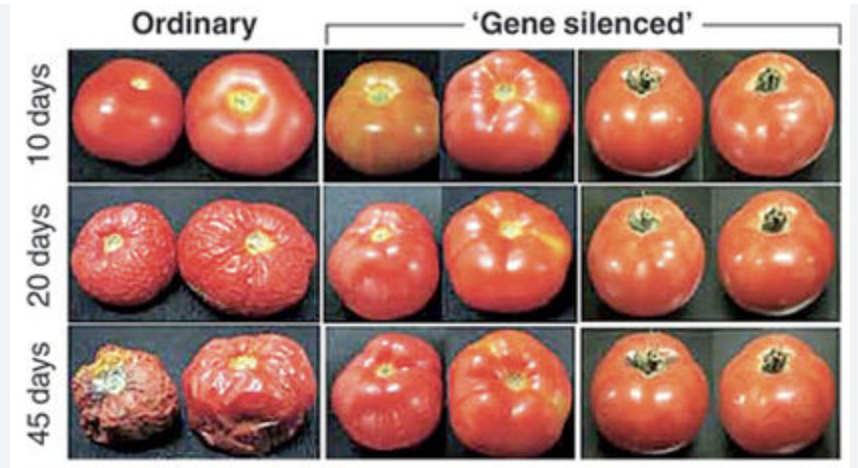
Food waste reduction can be achieved through preservation technologies such as freezing, drying, irradiation, heat treatment and modified-atmosphere packaging, which extends the shelf life of perishable produce. Advances in genetic modification further offer potential to increase crop yields and resistance to pests and diseases, though these technologies remain subject to debate concerning ecological and socio-economic impacts.
Part 3: Human Diet
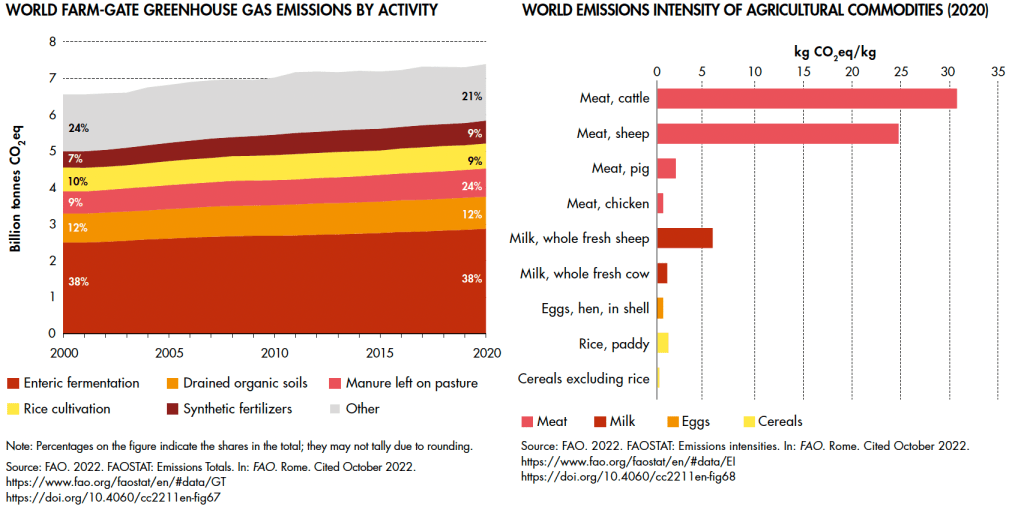
Dietary patterns have a profound influence on agricultural sustainability. As global incomes have risen, meat consumption has increased markedly; production has more than tripled in the past five decades and now exceeds 340 million tonnes annually. Ruminant livestock such as cattle, sheep, goats and buffalo can graze on land unsuitable for arable cultivation, yet in intensive production systems animals are often confined to feedlots and supplied with cereal or fishmeal-based diets. These practices are highly energy-intensive, as significant energy losses occur at each trophic level of the food chain.
From a sustainability perspective, dietary shifts towards reduced consumption of meat and fish and increased consumption of plant-based foods are more efficient, as crop-based diets provide greater caloric and nutritional yields per unit of land. Such changes would also reduce production costs and environmental pressures. Global inequalities in food availability remain stark: high-income countries are generally food secure, while many low- and middle-income countries face deficits. A dietary transition in high-income countries towards more plant-based nutrition would therefore provide health benefits while also contributing to sustainable agricultural practices.
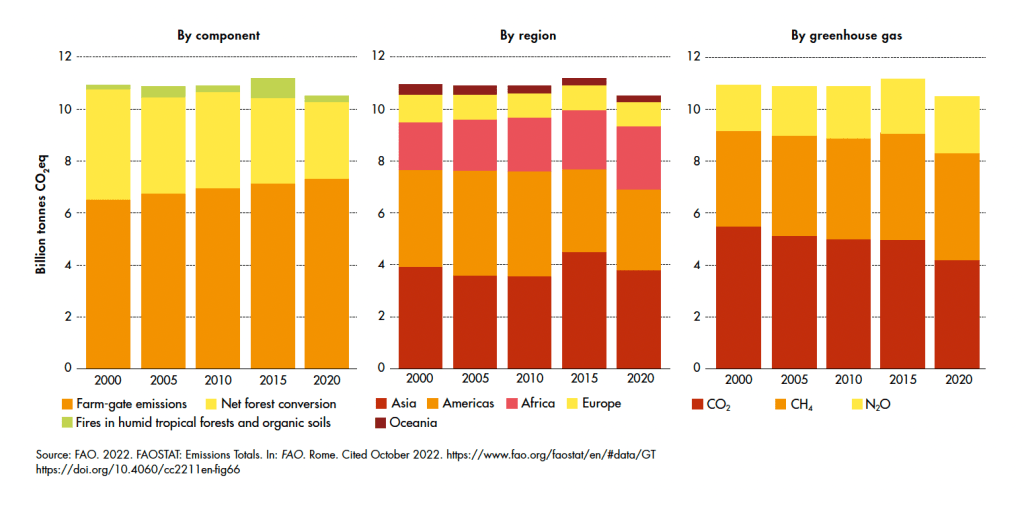
World GHG emission on agricultural land. Source: FAO report 2022.
Notes and classwork
Subscribe to get access
Read more of this content when you subscribe today.
![ESS 8.1.3 [AHL] Biocapacity and Environmental Migration](https://mypytrclass.com/wp-content/uploads/2025/12/image-4.png?w=1024)




![ESS 8.3.4 [AHL] Photochemical Smogs and Tropospheric Ozone](https://mypytrclass.com/wp-content/uploads/2025/12/image-1.png?w=1024)
 PYTR Class