
Learning Objectives
- Define “sustainability”
- Outline 3 pillars of sustainability
- Outline the meaning of environmental justice
- Outline common indicators of sustainability
Sustainability is a measure of the extent to which practices allow for the long-term viability of a system. It is generally used to refer to the responsible maintenance of socio-ecological systems such that there is no diminishment of conditions for future generations.
Key Terminologies
- Natural income
- is the yield or harvest from natural resources.
- Natural capital
- is the stock of natural resources on Earth. This includes rocks, soil, water, air and all living things. It also includes the services that support life such as photosynthesis and the water cycle.
- Environmental sustainability
- is the use and management of natural resources that allows replacement of the resources, and the recovery and regeneration of ecosystems.
- Social sustainability
- focuses on creating the structures and systems that support human well-being, including health, education, equity, community and culture such as belief systems and language.
- Economic sustainability
- focuses on creating the economic structures
Part 1: The Concept of Sustainability
The notion of sustainability has been interpreted differently across disciplines. Economists and environmentalists, for instance, often diverge in their definitions of “sustainable development.” At its core, sustainability concerns the decisions individuals and societies make in relation to consumption, behaviour, and resource use. A sustainable society strives to achieve fairness, justice, and health, while safeguarding a resilient environment and preserving natural resources for future generations. Any system that depends on the depletion of critical natural capital is inherently unsustainable. Given the finite availability of materials on Earth, current patterns of consumption remain largely unsustainable. From an economic perspective, this situation can be likened to living off both the capital and the interest, rather than preserving the principal for long-term growth. True economic and social progress must remain within environmental boundaries. While the prudent management of renewable natural capital is sustainable, reliance on the extraction of non-renewable resources (such as coal and metal ores) inevitably leads to resource exhaustion.
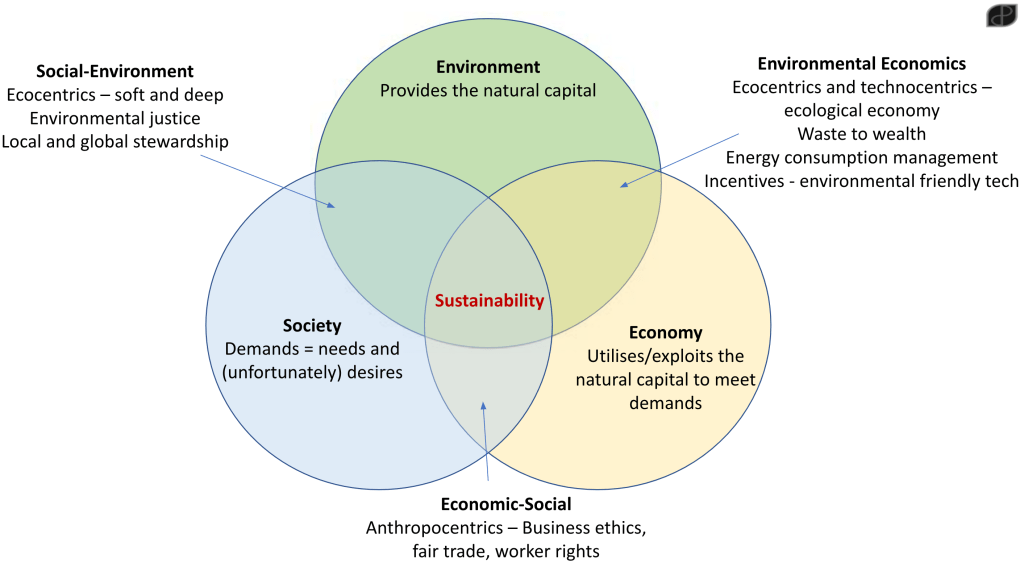
Sustainability rests on three interrelated pillars: social sustainability, economic sustainability, and environmental sustainability. Only when these dimensions are balanced can authentic sustainability be achieved.
Environmental sustainability
entails managing natural resources in a way that conserves biodiversity, reduces pollution, and prevents resource depletion. It also emphasizes resilience—the capacity of systems to adapt to environmental change. Importantly, environmental improvement alone does not equate to sustainability unless it is complemented by economic and social considerations.

Social sustainability
relates to the enhancement of human capital, encompassing investments in healthcare, nutrition, education, skills, and knowledge. It also requires safeguarding the rights of future generations to access these resources.

Economic sustainability
focuses on the efficient and continuous production of goods and services over time. Conventional indicators, such as gross domestic product (GDP), typically overlook the economic value of natural systems. To address this gap, alternative measures such as “Green GDP” have been developed, integrating environmental costs—including biodiversity loss and climate-related damages—into traditional economic assessments.
Environmental Justice
Closely linked to sustainability is the concept of environmental justice, often referred to as distributive justice. This principle demands an equitable distribution of both the benefits and risks associated with environmental exploitation. The global environmental justice movement, which emerged in the 1980s, arose in response to numerous instances where local communities suffered adverse consequences from industrial activities and resource extraction led by multinational corporations.
Examples of environmental injustice include:
- hazardous waste dumping in low-income communities (e.g., Ghazipur, Delhi);
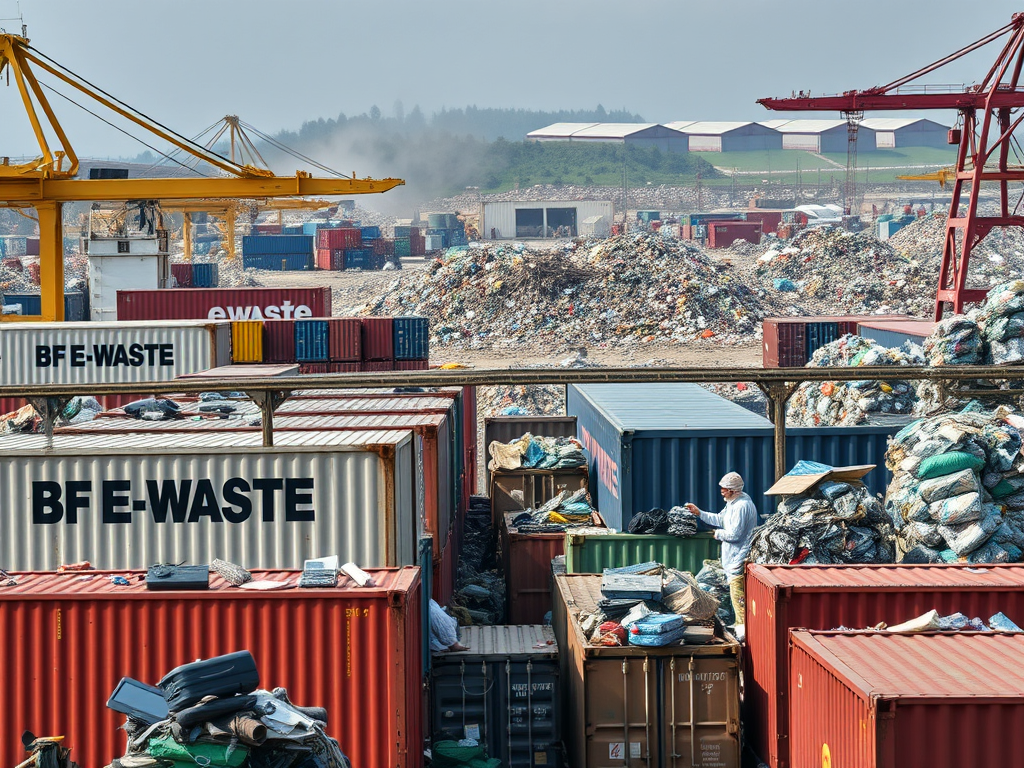
- transboundary disposal of plastic waste from high-income to low-income countries (e.g., Malaysia, Thailand, Vietnam);
- failures of mining tailings dams (e.g., in Chile);
- disputes over land rights of indigenous peoples (e.g., Maasai in East Africa, Aboriginal communities in Australia, Indigenous groups in North America, and Amazonian populations);
- unequal access to energy, electricity, and water within and across societies.
Activity 1: Environmental justice
- fair treatment
- meaningful involvement of all people
- people respect to the development, implementation and enforcement of environmental laws, regulations and policies
This is considering..
- people’s equal right to live in unpolluted environments
- people’s equal right to access natural resources
- development, implementation and enforcement of environmental policies and laws
- no group or community bears the harmful effects of pollution or environmental hazards from a lack of economic or political influence
- any model of sustainable development failing to incorporate equity is not a sustainable model any promotion of environmental justice that does not take account of the principles of sustainability will not be able to achieve its objectives on a large scale.
Inequalities
Why consumptions of food, water and energy vary between nations and within a nation?
- Access
- some countries have easy access to more natural resources than others.
- Quantity
- there is inequality in the quantity of resources available to different countries. Some countries have abundant resources and others do not.
- Wealth
- the greater the wealth of a country the more options it has. If a wealthy country does not have direct access to, or sufficient quantities of, a resource then it can import or develop technological solutions, whereas less wealthy countries may not have these options.
- Technology and infrastructure
- the ability of a country to develop technological solutions and to deliver food, water and energy throughout its population will affect direct access to key resources.
Solid waste from HICs shipped to Malaysia
Dam Failure in Brazil
Tanzania’s Maasai tribe experiencing injustice. The Maasai, one of East Africa’s long-established Indigenous peoples, are currently facing displacement to create additional space for ecotourism and trophy hunting. The communities now face the erosion of their livelihoods under policies presented as conservation initiatives.
Bhopal Gas Leak. over 2000 people (official report) dies in the first 2 weeks. More than 22,000 people have died as a direct result of exposure to the leak, while more than half a million people continue to suffer some degree of permanent injury (Amnesty.org).
Deep Water Horizon, BP oil spill
Minamata Disaster (mini documentary)
Activity 2
Read more of this content when you subscribe today. Describe Environmental justice + Learning Activity
Part 2: Measuring Sustainability
Assessing sustainability requires robust indicators that capture both ecological and socio-economic dimensions. Indicators may include biodiversity, pollution levels, human health, income, energy production and consumption, climate change, and ecological or carbon footprints. These metrics can be applied across local, regional, and global scales. While smaller-scale measures may provide greater accuracy, global indicators are essential for assessing the broader sustainability picture.
Ecological Footprints
An ecological footprint (EF) estimates the environmental demands of human populations by measuring the area of productive land and water required to supply resources and absorb wastes. When a population’s EF exceeds the available biocapacity, the system becomes unsustainable, reflecting ecological overshoot.
Footprints can vary across nations and individuals, depending on lifestyle choices, land-use practices, and industrial activities. Related measures include:
Carbon Footprint (CF)
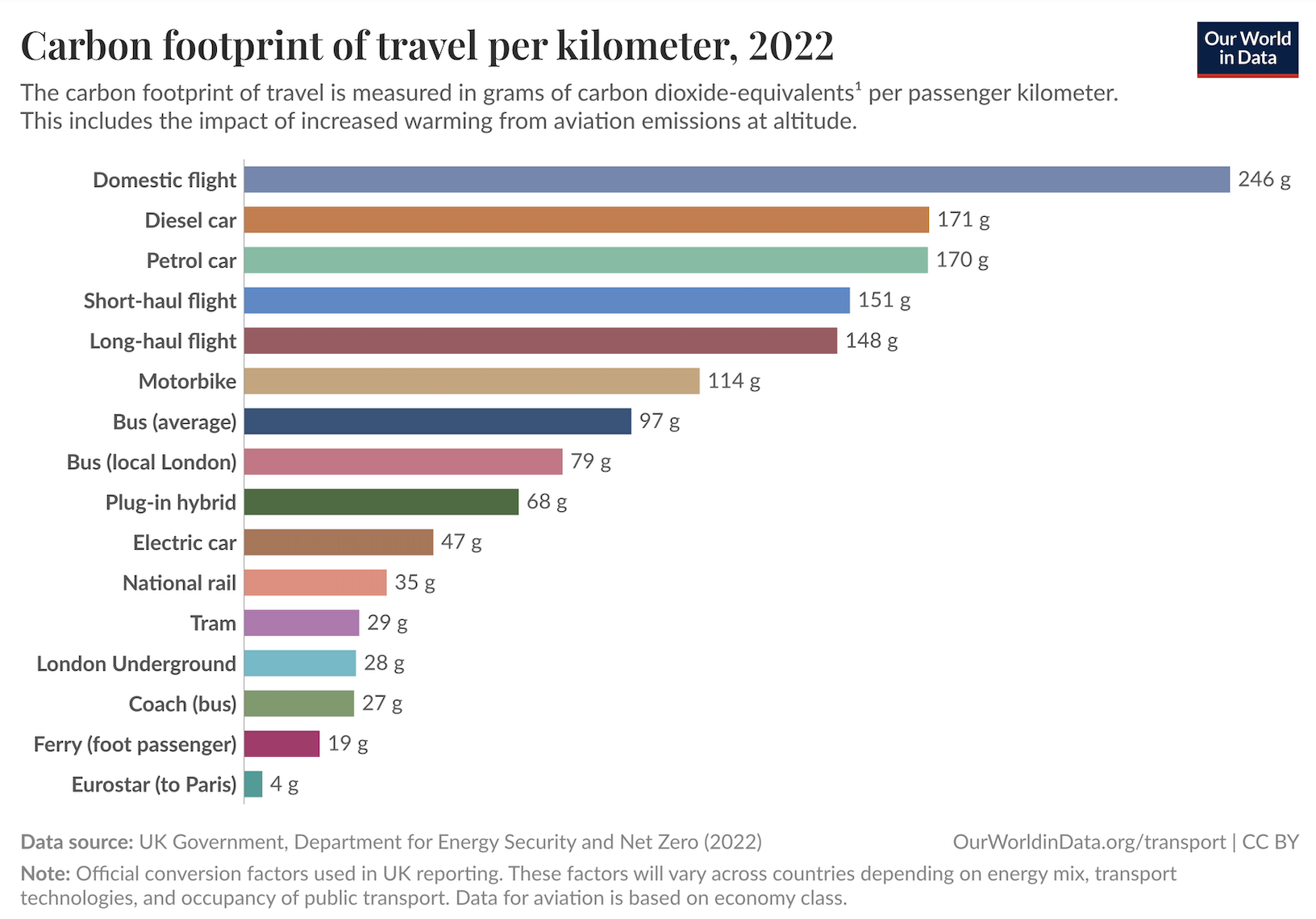
This measurement is narrow – focused on climate impacts.CF measures the total amount of greenhouse gases emitted directly and indirectly by human activities, expressed in carbon dioxide equivalents (CO₂e).
The focus of CF includes:
- energy use,
- transportation,
- industrial processes,
- land-use change.
CF helps indicating the contribution of individuals, organisations, or nations to climate change.For example, driving a car, heating a home, or manufacturing goods all contribute to a carbon footprint.
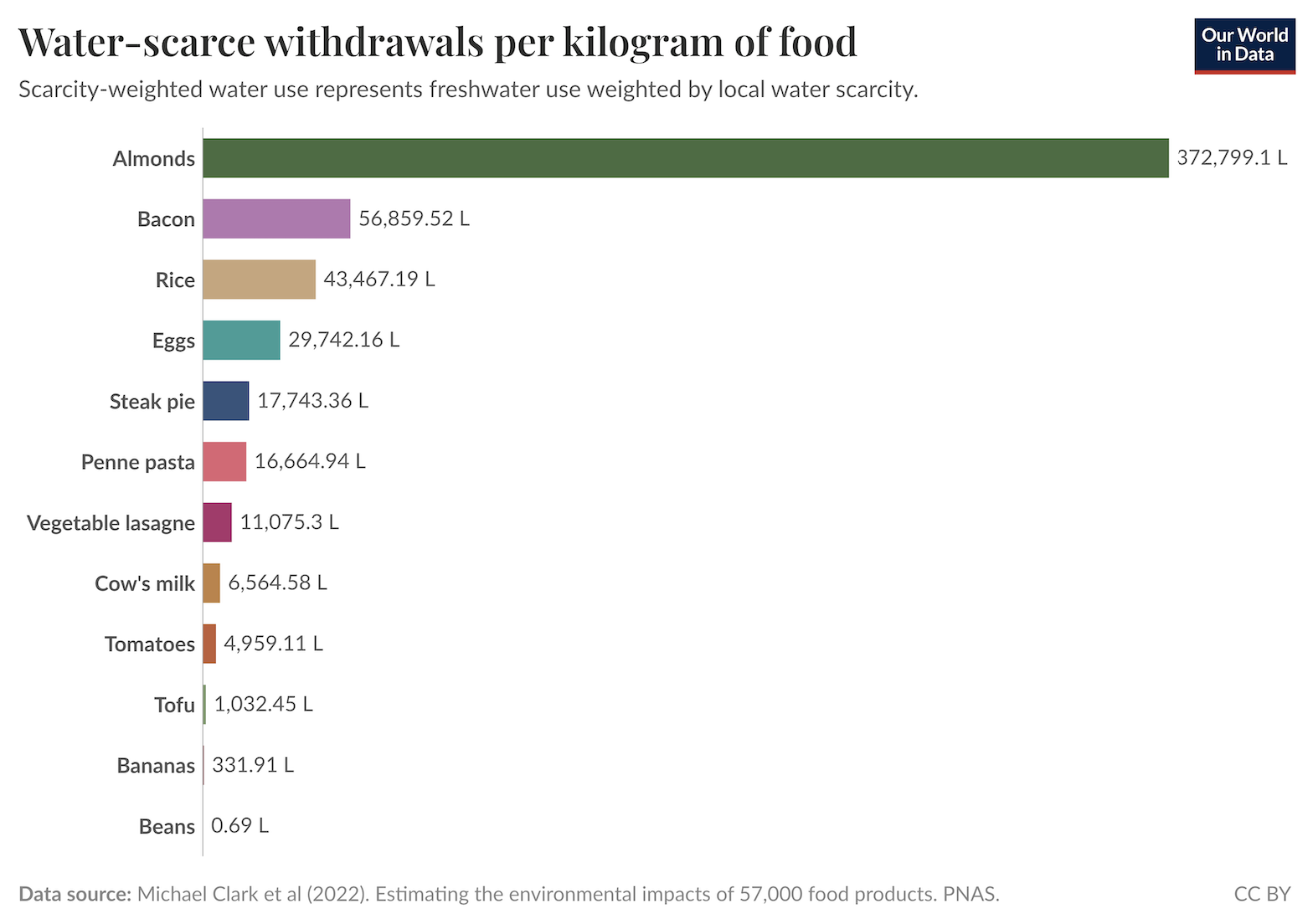
Water Footprint (WF)
A subset indicator that measures the volume of freshwater used for goods and services. This measurement is also narrow, focused on freshwater use and pollution. This includes:
- Blue water (surface and groundwater used),
- Green water (rainwater stored in soil),
- Grey water (water required to dilute pollutants to safe levels).
The focus of WF is in agriculture, manufacturing, and household use. This highlights pressure on freshwater resources and identifies risks of water scarcity. For instance, producing 1 kg of beef requires about 15,000 litres of water (green, blue, and grey combined).
The Concept of Biocapacity and Carrying Capacity
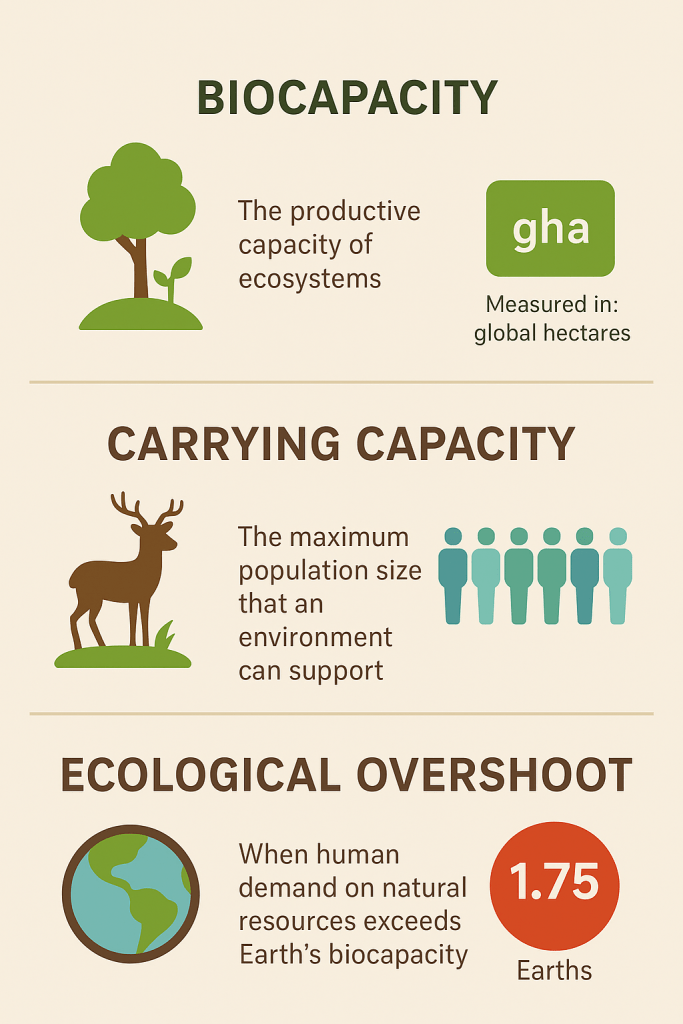
Carrying capacity represents the maximum population size that a given environment can support. It is essentially the inverse of ecological footprint: while EF measures the area needed to sustain a population, carrying capacity identifies the number of individuals that can be supported by a given area.
The carrying capacity is estimated by using biocapacity.
Biocapacity is the capacity of ecosystems to produce renewable natural resources and absorb wastes (especially carbon dioxide) that humans generate. In simpler words, biocapacity is the budget (supply) whilst the carrying capacity is the number of individuals that can be supported (demand) by the budget.
Historical estimates demonstrate the trajectory of global overshoot. In 1961, the global EF was approximately 0.72 global hectares (gha) per person, well within Earth’s biocapacity. By 2018, this had risen to 2.8 gha per person, equating to 1.75 Earths. Humanity now requires approximately 21 months to regenerate the resources consumed in a single year, indicating that ecological overshoot has persisted since the 1970s.
Just like any environmental system, imbalance between supply and demand will cause a collapse to an a system. In a more holistic view, the Earth may experience demand greater than supply. This is called ecological overshooting. As the result, the carrying capacity will drop as the environmental degradation taken place and unable to ensure supply.
Activity 2: Investigation using footprint calculator
Research Question:
To what extent does increasing age of young adults correlate their ecological footprint (gha) and the percentage of carbon footprint in their ecological footprint?
Variables
Independent variable: Age group
Dependent variable: Ecological footprint using www.footprintcalculator.org/home
Controlled variable: Age group (young adult between 18 to 26). Survey is done in 2025
Procedure
- Take both surveys for EF and WF: www.footprintcalculator.org/home
- Record your result here: https://forms.gle/1ovtcTQ4Cy4TdLd27
Current Result (updated September 2025):
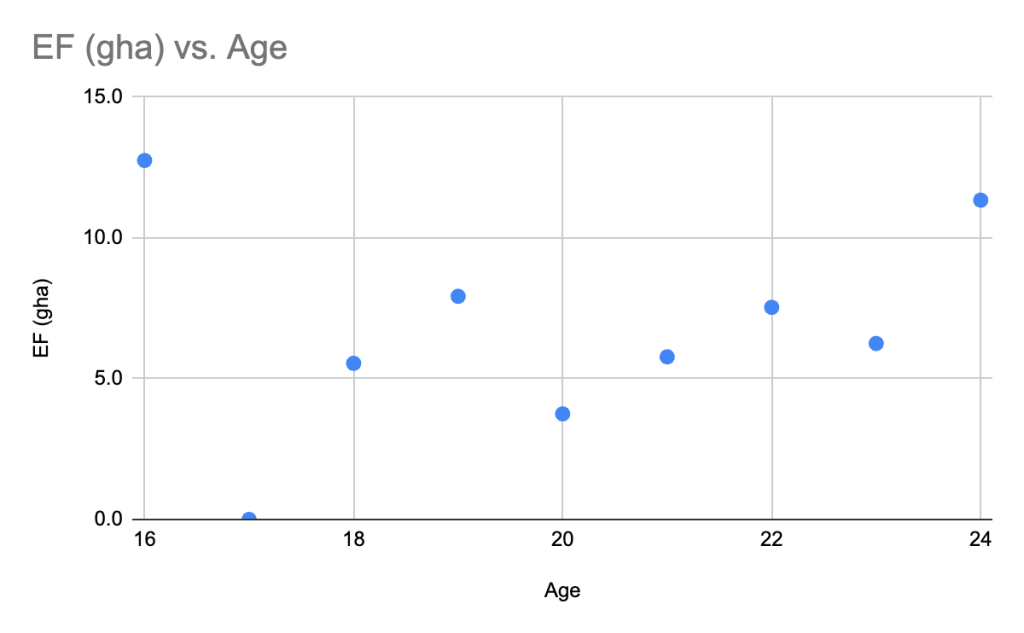
Date is updated on the 22nd of September 2025 by mypytrclass.com
![ESS 8.1.3 [AHL] Biocapacity and Environmental Migration](https://mypytrclass.com/wp-content/uploads/2025/12/image-4.png?w=1024)



![ESS 8.3.4 [AHL] Photochemical Smogs and Tropospheric Ozone](https://mypytrclass.com/wp-content/uploads/2025/12/image-1.png?w=1024)
 PYTR Class