
Learning Objectives
- Explain the relationship between climate change with carbon cycle
- Describe the impacts of climate change on hydro- and cryosphere, litho- and pedosphere, atmosphere, biosphere and anthroposphere.
- Outline the economic gains and losses from climate change
Climate Change and Carbon Cycles
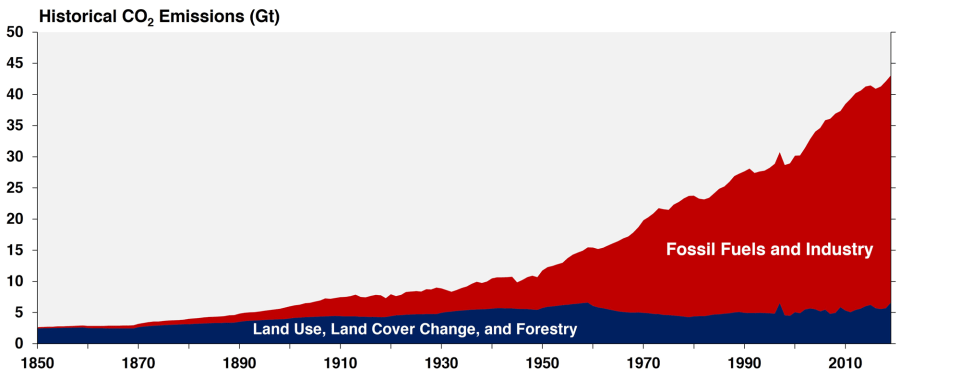
Anthropogenic emissions of greenhouse gases (GHGs) have intensified the natural greenhouse effect. Human activities have introduced substantial quantities of carbon dioxide (CO₂), methane (CH₄), and nitrous oxide (N₂O) into the atmosphere, alongside smaller amounts of other GHGs, contributing to global warming and climate change. In the absence of human influence, carbon stored in fossil fuels is released gradually into the atmosphere through volcanic activity over millions of years via the slow carbon cycle. The combustion of coal, oil, and natural gas significantly accelerates this process, releasing each year vast amounts of carbon that accumulated over geological timescales. In 2009, anthropogenic activities, including fossil fuel combustion and cement production (the latter accounting for up to 8% of CO₂ emissions), contributed approximately 8.4 billion tonnes of carbon to the atmosphere. Roughly half of these emissions are sequestered annually by the fast carbon cycle, while the remainder persists in the atmosphere.
Current atmospheric concentrations illustrate the scale of this impact: CO₂ now accounts for approximately 417 molecules per million, the highest concentration in two million years. Methane levels have risen from 715 parts per billion (ppb) in 1750 to 1,895 ppb in 2021, representing the highest concentration in at least 650,000 years. Methane possesses a global warming potential substantially greater than that of CO₂. Rates of CO₂ increase have also accelerated over time: in the late 1960s, atmospheric CO₂ was rising at roughly 1 ppm per year, increasing to 2 ppm per year by the early 21st century, and reaching nearly 2.5 ppm annually over the past decade. Although these increments may appear modest, their cumulative effect on the climate system is considerable.
The Global and Local Impacts of Climate Change
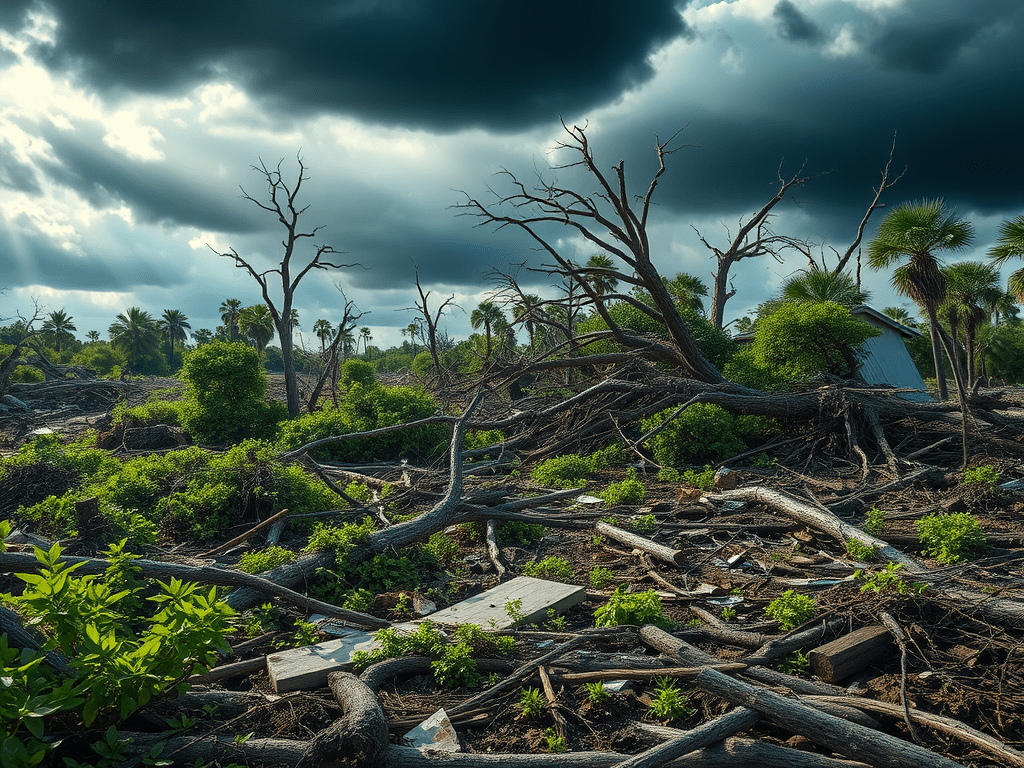
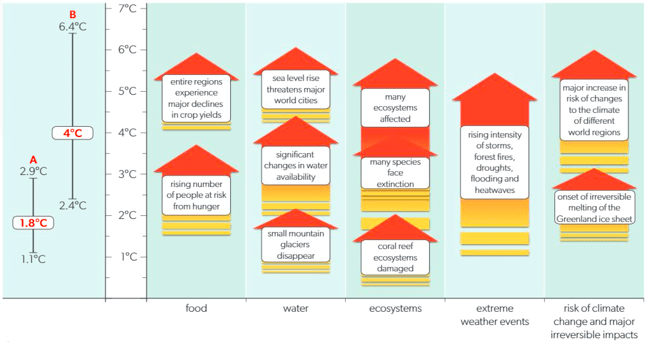
Climate change significantly influences the resilience of ecosystems and contributes to biome shifts across the globe. Its effects manifest at both global and local scales. At the global level, these include alterations in oceanic circulation patterns and rising sea levels. Locally, impacts are observed through coral bleaching, desertification, and fluctuations in ecosystem productivity. Such changes have profound implications for human health, food and water security, and infrastructure. However, these effects are not experienced uniformly; the consequences are disproportionately distributed across regions and socioeconomic groups.
Rising Sea Levels
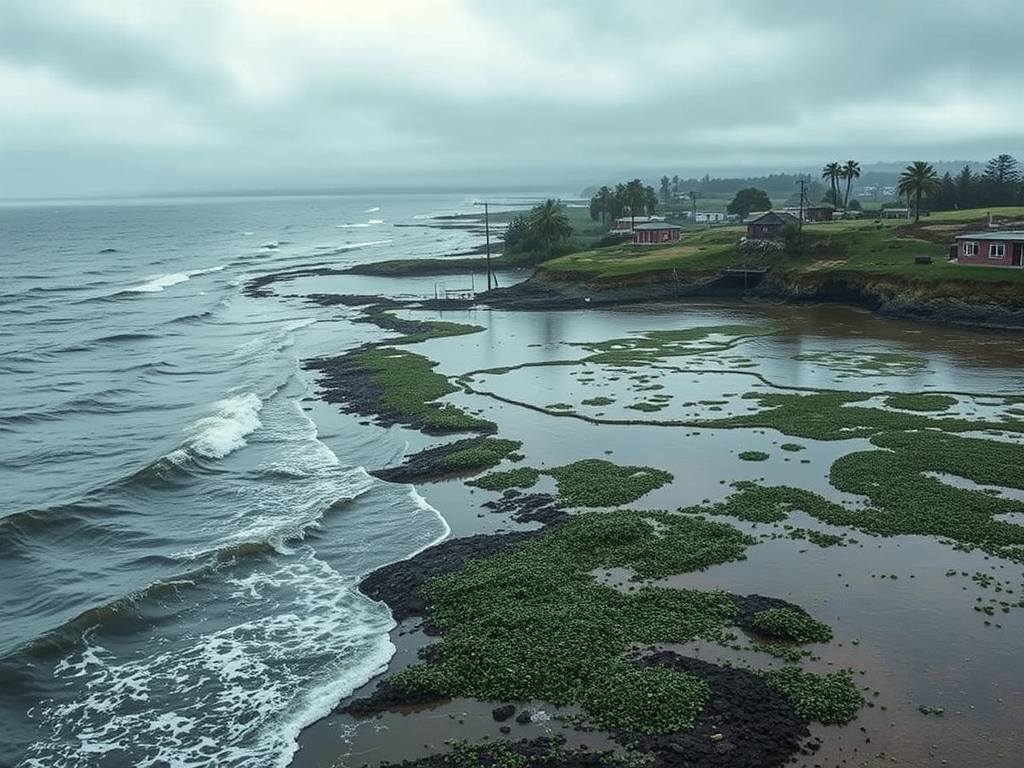
Sea-level rise occurs primarily due to two mechanisms: the thermal expansion of seawater as it warms and the melting of terrestrial ice, which increases the volume of ocean water. The Greenland and Antarctic ice sheets—both situated on land—are experiencing accelerated thinning, compounding the effects of thermal expansion. Although the precise magnitude of future sea-level rise remains uncertain, advances in climate modelling have improved predictive accuracy. According to the Intergovernmental Panel on Climate Change (IPCC), a global temperature increase of 1.5°C to 4.5°C could result in sea-level rises between 15 and 95 cm. These estimates assume a proportional relationship; however, surpassing climatic tipping points could lead to rises of several metres. Approximately 40 nations are expected to be severely affected, with low-lying states such as Bangladesh, the Maldives, and the Netherlands losing substantial land area, and some—like Tuvalu—potentially disappearing entirely.
Ocean Acidification
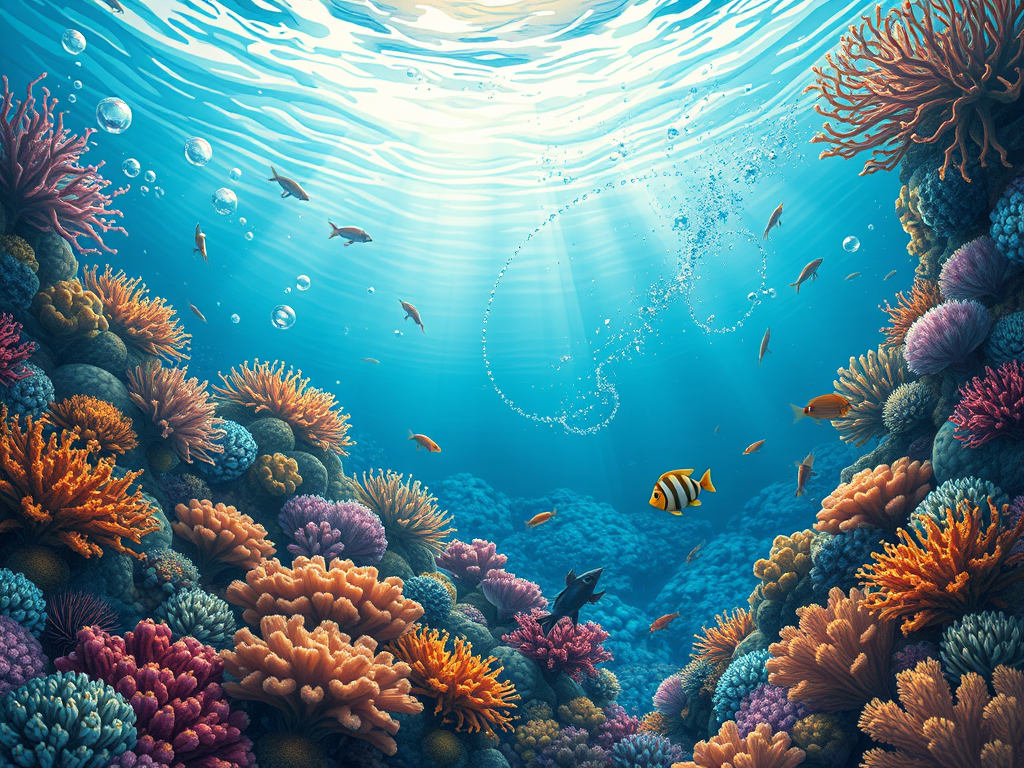
Oceans act as major carbon sinks, absorbing nearly half of anthropogenic carbon dioxide emissions. Consequently, ocean acidity has increased by approximately 25% since pre-industrial times. This acidification adversely affects marine organisms, particularly corals, and diminishes the ocean’s capacity to absorb further CO₂ as it warms.
Polar Ice Caps
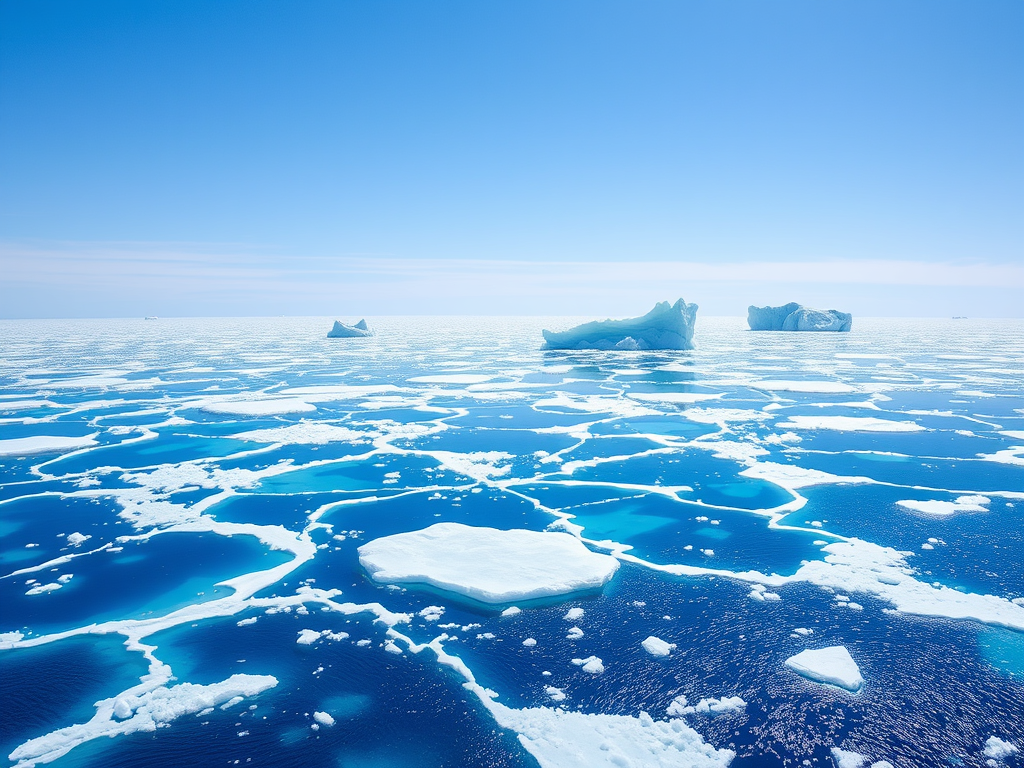
Melting land ice in Greenland and Antarctica contributes directly to sea-level rise as meltwater flows into the oceans. In contrast, the melting of floating Arctic sea ice does not increase ocean volume due to water displacement equilibrium. Nevertheless, glacial melt contributes additional volume. The potential complete melting of the Greenland ice sheet could disrupt the North Atlantic Drift (NAC) by diluting ocean salinity. A slowdown or cessation of the NAC and Gulf Stream could result in significantly colder climates in the United Kingdom and Scandinavia. Conversely, Arctic ice melt may open new trade routes, facilitate navigation, and enable resource exploitation of undersea minerals and fossil fuels. However, the destabilization of methane clathrates—ice formations trapping methane beneath the Arctic Ocean floor—poses a severe risk of accelerating global warming through methane release.
Glacial Retreat
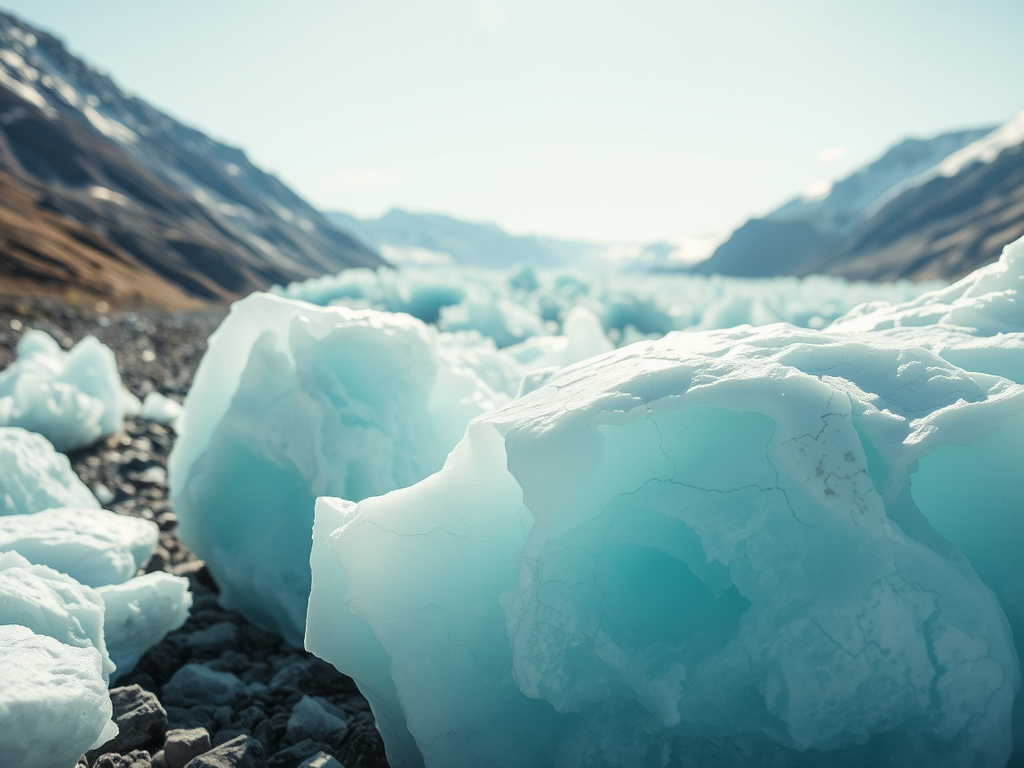
Since the end of the Little Ice Age (approximately 1550–1850), most glaciers have retreated, with temporary stabilization between 1950 and 1980 due to global dimming caused by air pollution. Glacial retreat leads to flooding, landslides, and the reduction of freshwater supplies for downstream populations. Major Asian rivers such as the Ganges, Brahmaputra, Indus, Yellow, and Yangtze depend on Himalayan glacial melt. Rapid ice loss has also caused drought conditions, notably in Tanzania, where Mount Kilimanjaro has lost over 80% of its glacier volume.
Weather Patterns and Extreme Events
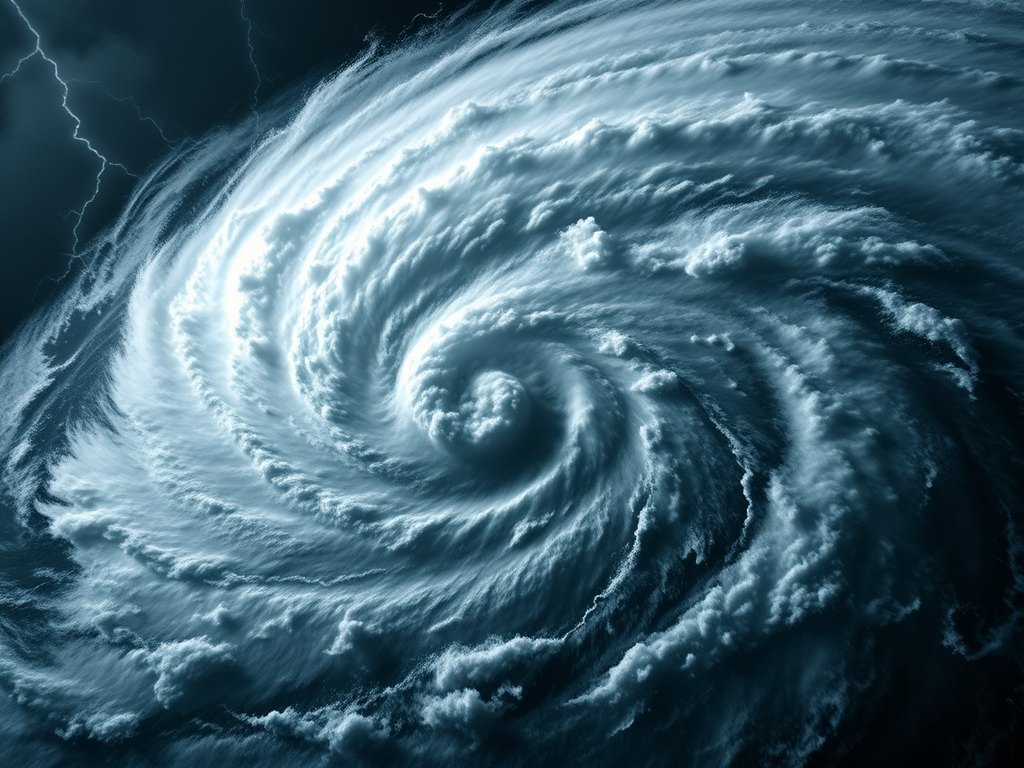
As atmospheric heat content increases, so does climatic energy, resulting in more extreme and unpredictable weather events. Global precipitation may increase by up to 15%, heightening risks of soil erosion, drought, and salinization from irrigation. Evidence indicates that severe storms, cyclones, and droughts are becoming more frequent and intense. Notable examples include Hurricane Ian in Florida (2022), Storm Filomena in Madrid (2021), and prolonged droughts in the Horn of Africa. ENSO (El Niño–Southern Oscillation) events have also become more extreme and persistent.
Impacts on Food Production
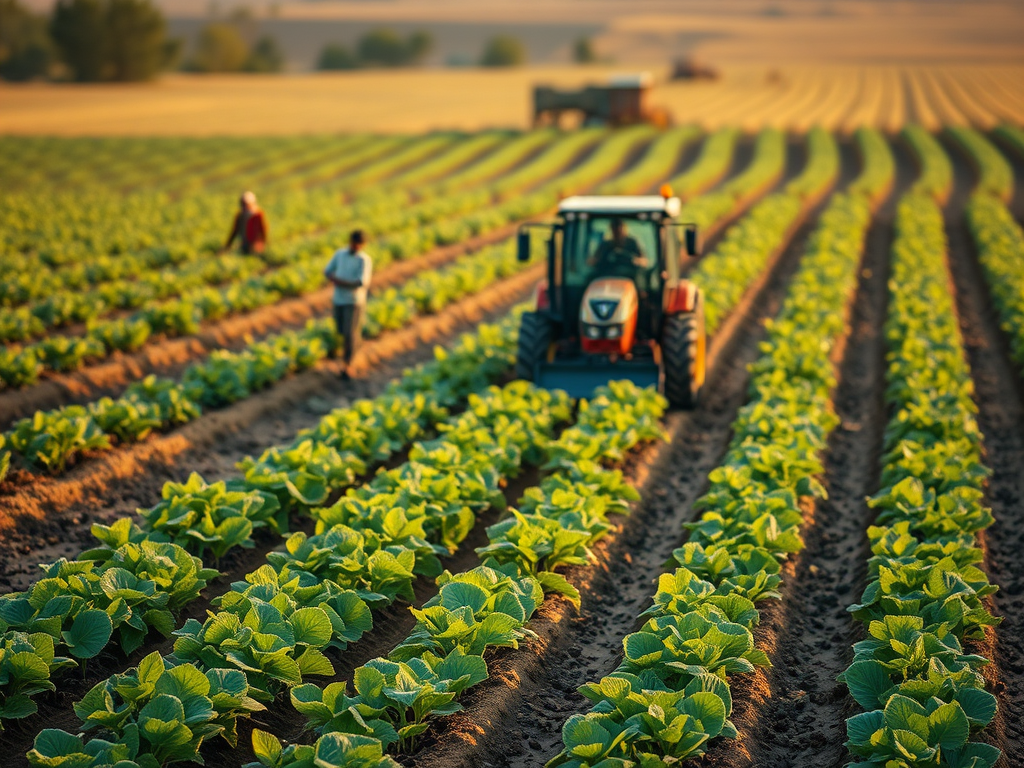
Warmer temperatures accelerate biochemical processes such as photosynthesis and respiration. While longer growing seasons in Europe may initially enhance yields, increased respiration and water stress can offset these gains. Biome shifts northward could benefit some regions but harm others, depending on soil fertility. For instance, migration of agriculture from Ukraine’s fertile black soils to Siberia’s less fertile terrain could reduce global productivity. Predictions for changes in net primary productivity (NPP) range from –70% to +11%, reflecting high uncertainty. Warmer conditions also expand the ranges of crop pests.

Desertification and Drylands
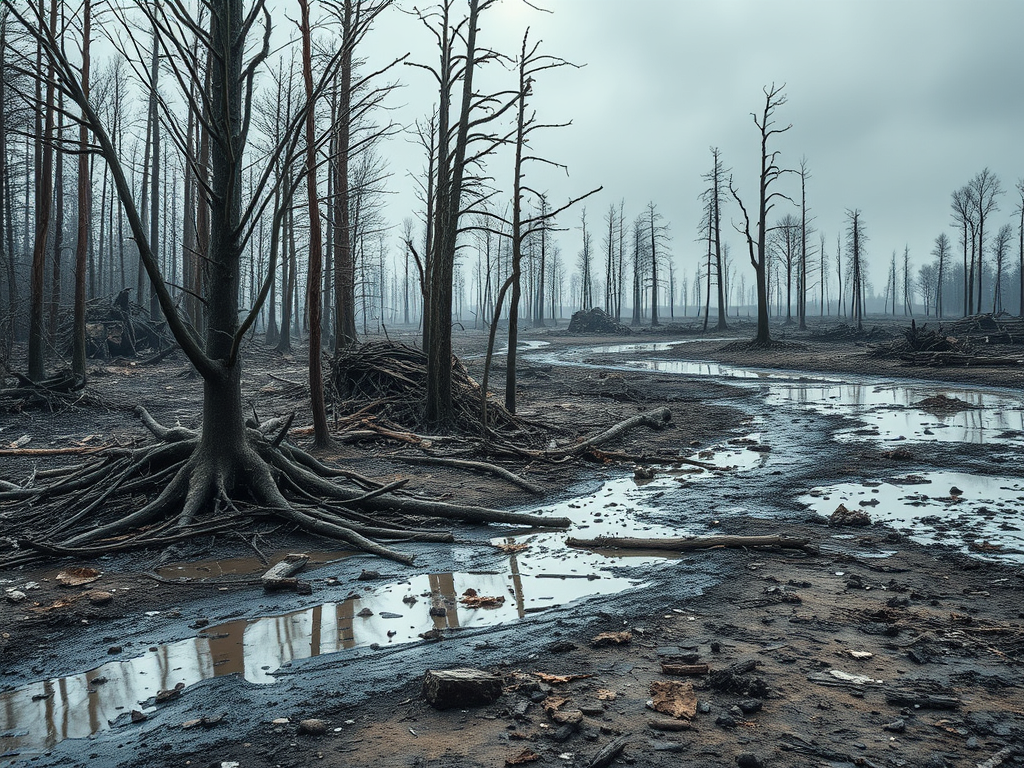
Desertification, the degradation of land into non-productive desert, now threatens approximately 41% of Earth’s land surface, home to two billion people. Affected regions include the Sahel, the Gobi Desert, Mongolian grasslands, and drylands in East Africa and South America.
Impacts on Biodiversity and Ecosystems
Wildfires, intensified by droughts, devastate ecosystems, as seen in Australia’s 2019–2020 bushfires, which affected an estimated 143 million native mammals. In Indonesia, peatland fires have burned for years, releasing vast amounts of carbon. Additionally, insect outbreaks such as pine beetle infestations in British Columbia have worsened under milder winters. Coral reefs are particularly sensitive; a mere 1°C temperature rise can cause bleaching by expelling symbiotic algae, ultimately leading to ecosystem collapse.

Human Health
Climate change poses serious health challenges. Heatwaves, such as those in Europe (2006), have caused thousands of deaths. Vector-borne diseases like malaria, dengue, and yellow fever are spreading to higher latitudes. Warmer waters promote algal blooms, some of which are toxic, while wetter climates increase fungal infections and drier ones exacerbate respiratory illnesses. Conversely, milder winters could reduce cold-related mortality and heating costs.
Water Supply and Conflicts
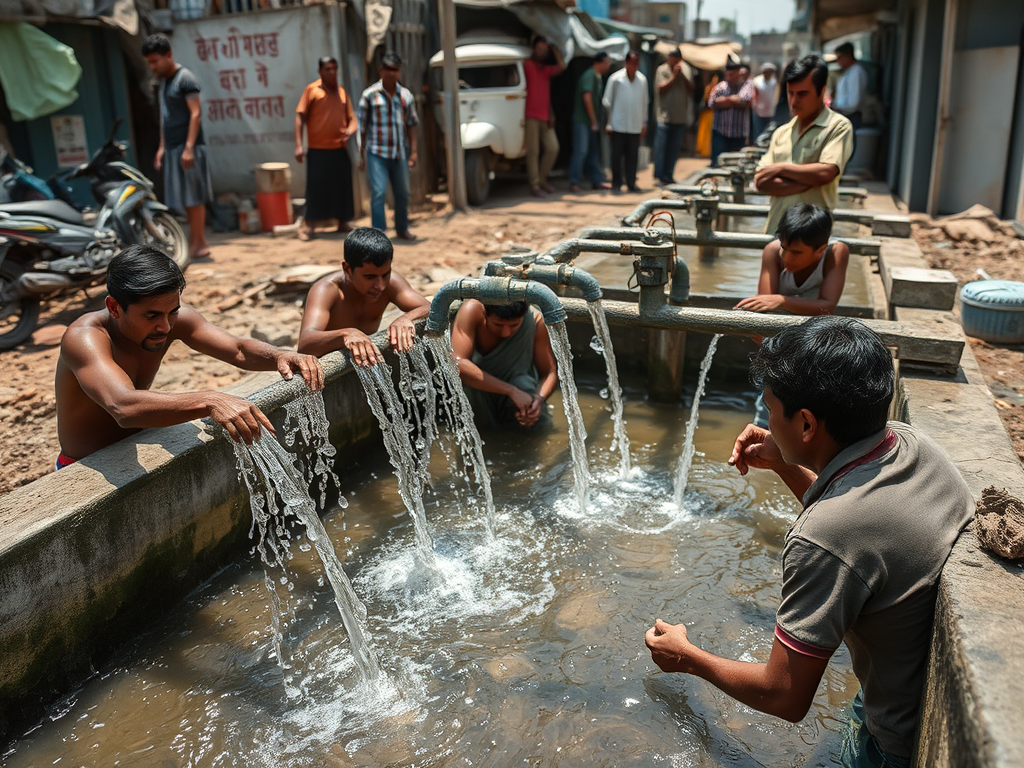
Rising evaporation rates may cause rivers and lakes to dry up, forcing populations to migrate. Approximately 2.4 billion people depend on Himalayan-fed river systems, where glacier retreat threatens water security. Similar trends are evident in Europe and North America. Disputes over water—often referred to as “water wars”—are increasingly common.
Migration and Displacement
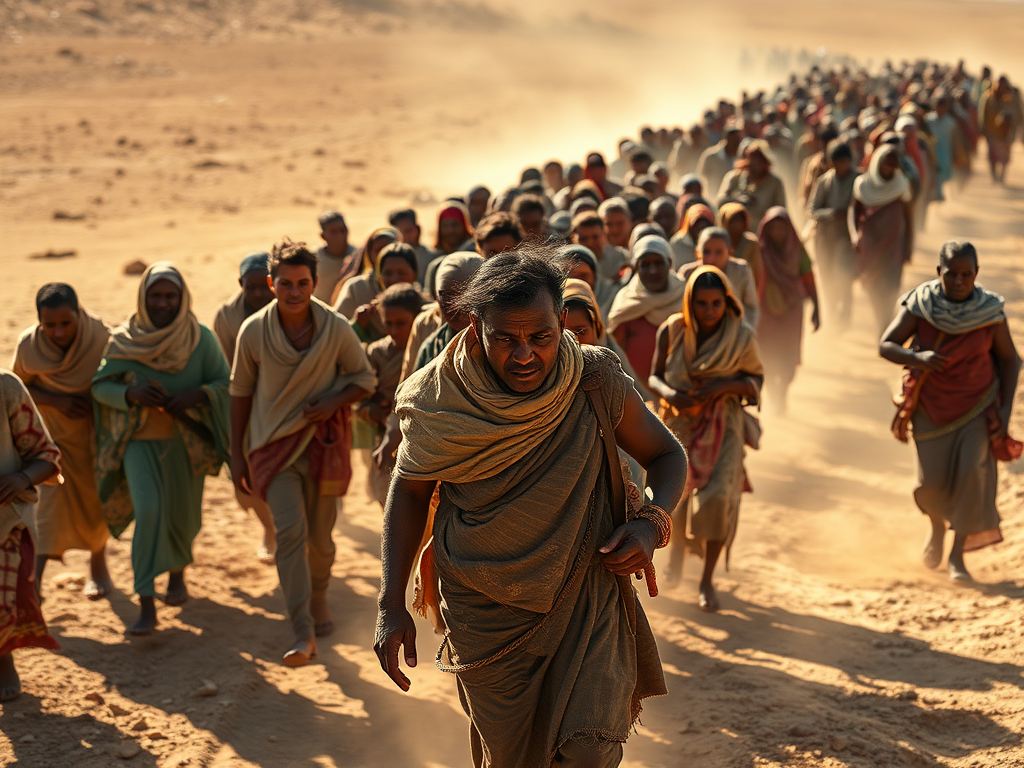
Declining food and water availability is expected to trigger large-scale human migration. The IPCC estimates that by 2050, climate change could displace up to 150 million people, creating significant geopolitical, economic, and humanitarian challenges.
Indigenous People
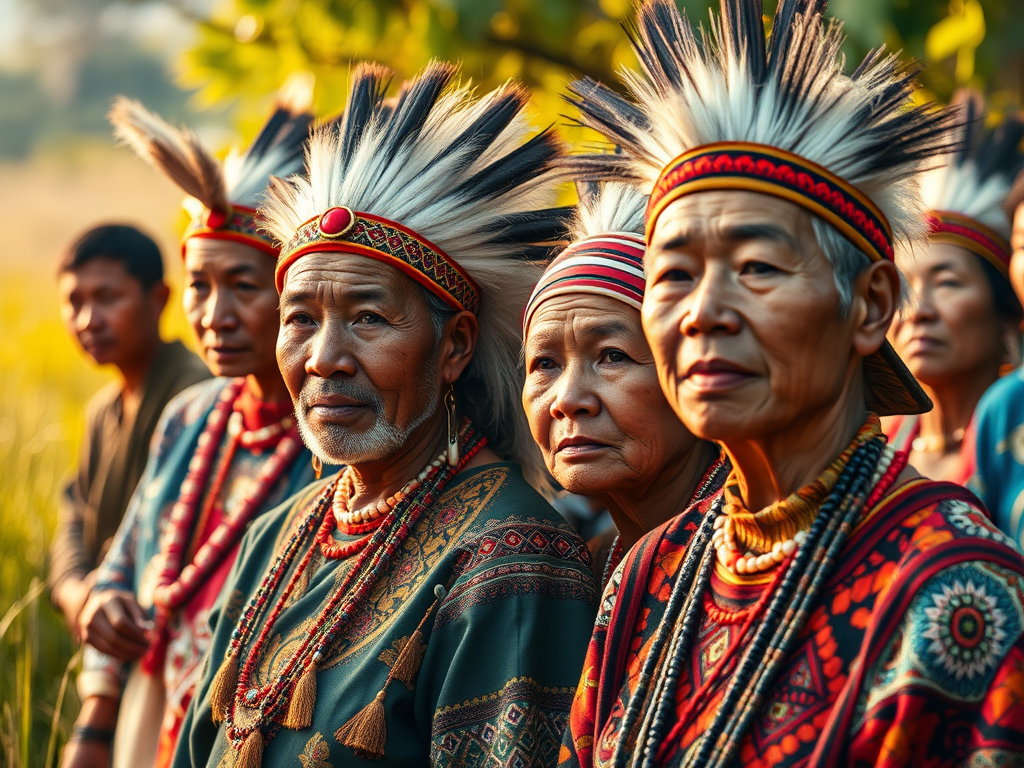
Indigenous and pastoral communities, such as the Mbororo of the Sahel, possess traditional ecological knowledge that enables adaptive management of fragile ecosystems. However, population pressures and intensifying droughts are undermining traditional practices like transhumance, threatening cultural and economic survival.

Social Equity
Climate change is not solely an environmental crisis but also a profound social one. According to the World Bank, the poorest populations—those least responsible for greenhouse gas emissions—bear the greatest burdens. Addressing climate justice requires tackling inequalities both between and within nations, as well as intergenerational disparities.

Economic Implications
National economies will experience divergent impacts. Regions suffering from droughts, floods, or cyclones will incur economic losses, while others may benefit from new resource opportunities in thawing permafrost or navigable Arctic routes, such as the Northwest Passage—first navigable in 2007.
Economic Gains and Losses from Climate Change
Climate change is expected to produce both economic gains and losses across national economies. Agricultural productivity may increase in higher-latitude regions but is likely to decline in tropical areas. In Africa, reductions in food production and rainfall are anticipated, with regions such as Northern Darfur already experiencing extensive desertification; millions of additional hectares may be affected in the future. Conversely, extraction of fossil fuels and minerals in higher-latitude regions may become more feasible due to changing environmental conditions.
Quantifying the economic impacts of climate change is challenging. The Stern Review (2006), led by the former Chief Economist of the World Bank, estimated that allocating approximately 1% of global GDP to climate change mitigation could prevent potential economic losses of up to 20% of global GDP in future recessions. Current projections of the overall cost of global climate change by 2050 range between USD 14 trillion and USD 23 trillion, though substantial uncertainty remains regarding the precise figures.
Exercise
Q: Describe the Factors and Key Challenges of Social Vulnerability and Climate Inequality [7]
Read more of this content when you subscribe today.
![ESS 8.1.3 [AHL] Biocapacity and Environmental Migration](https://mypytrclass.com/wp-content/uploads/2025/12/image-4.png?w=1024)


![ESS 8.3.4 [AHL] Photochemical Smogs and Tropospheric Ozone](https://mypytrclass.com/wp-content/uploads/2025/12/image-1.png?w=1024)
 PYTR Class