

Learning Objectives
- Describe the contrasting perspectives surrounding the concept of capital and income
- Describe sustainable management of natural resources using named examples
The Dynamic Nature of Natural Capital
The relative importance of different forms of natural capital varies both temporally and spatially due to multiple interrelated factors. A resource that is accessible and valuable today may become depleted or obsolete in the future. For instance, fossil fuels that currently underpin much of the global economy are finite and may not remain viable energy sources indefinitely. Similarly, materials once deemed essential, such as flint for arrowheads, may lose all practical utility, while others, such as whale oil for lamps or cheetah skins for clothing, have lost their value due to ethical and environmental concerns.
The utilisation of natural capital is influenced by a complex interplay of cultural, social, economic, environmental, technological, and political dimensions. For example, technocentric perspectives maintain that technological innovation will provide solutions to resource depletion and environmental degradation—such as replacing hydrocarbon-based fuels with hydrogen fuel cells or cultivating algae as a sustainable food source. Conversely, resources currently in high demand, like uranium for nuclear fission energy, may diminish in value if technologies such as nuclear fusion or hydrogen-based economies become viable alternatives.
Insights on changing values of natural capital
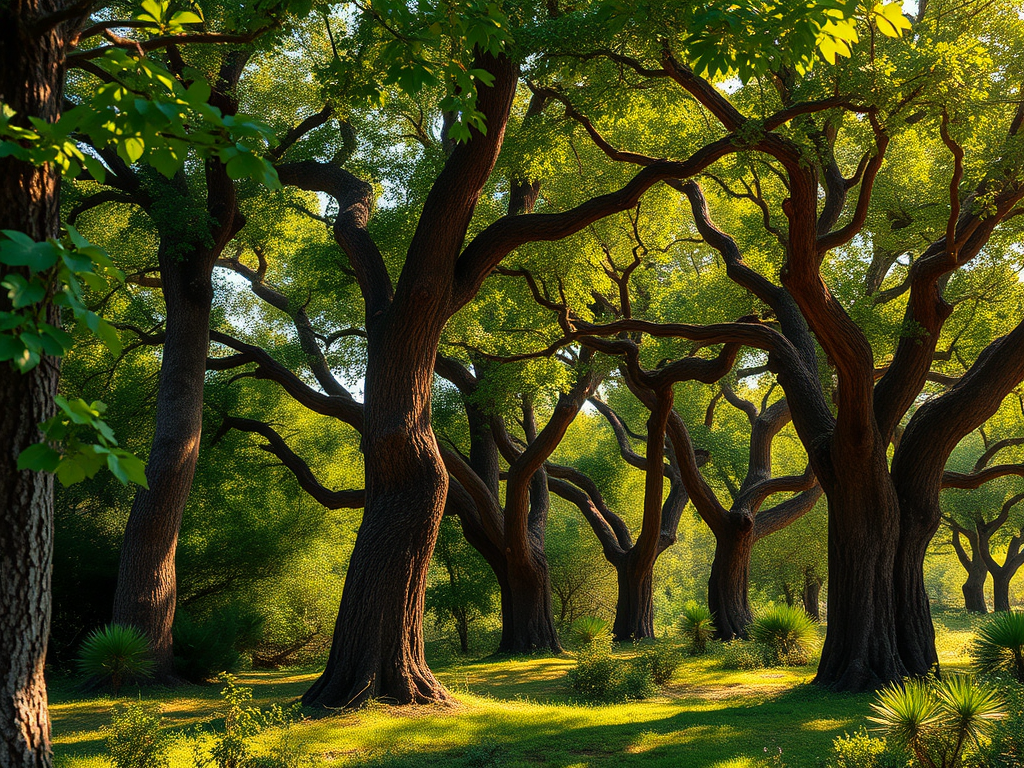
Cork Forests
Cork, derived from the bark of the cork oak (Quercus suber), has long served as an essential material for sealing glass bottles. However, the advent of synthetic alternatives—such as plastic corks, screw-top bottles, and polymer lids—has diminished its market value. Unlike cork, these substitutes are often non-biodegradable and derived from fossil fuels.
Cork oak forests, predominantly located in the Mediterranean region, possess exceptional biodiversity—second only to that of the Amazon rainforest. The bark is harvested by hand every nine years without harming the trees, supporting both ecological sustainability and rural livelihoods. Yet, as the economic value of cork declines, many cork forests are being cleared for alternative land uses. With increasing international restrictions on plastic use, however, cork may experience renewed economic and ecological significance as a biodegradable and renewable material.

Lithium
Lithium has become a critical resource due to its use in lithium carbonate batteries, which power mobile phones, tablets, and electric vehicles. Approximately three decades ago, global knowledge of lithium reserves was limited due to its minimal demand. Today, the rapid expansion of battery-based technologies has intensified global competition for lithium resources.
Over half of the world’s known lithium reserves lie beneath the desert salt plains of Bolivia and Chile’s Atacama Desert, with significant deposits also found in China, Australia, and Argentina. Despite these reserves, current annual lithium production remains insufficient to meet the potential demand associated with a full-scale transition from petroleum-based to electric vehicles.
Conceptualising “Capital” and “Income”
The terms capital and income are traditionally associated with economics and notions of profit generation. Applying these terms to environmental contexts—through concepts such as natural capital and natural income—can be perceived as reinforcing an anthropocentric worldview in which nature exists primarily for human exploitation. Nevertheless, from both economic and ecological perspectives, sustainable gains are achievable only through prudent management. Thus, environmental management must prioritise the sustainable utilisation of natural resources to preserve their regenerative capacity.
Managing Natural Capital
The depletion of renewable natural resources at rates exceeding their natural regeneration is inherently unsustainable. Similarly, releasing waste into ecosystems faster than natural processes can absorb, degrade, or remove it undermines environmental resilience. Sustainable living, therefore, necessitates maintaining equilibrium between resource extraction and ecosystem renewal.
Resource Security and Societal Choices
Resource security refers to a nation’s capacity to provide sufficient natural resources to meet the needs of its population. The biocapacity of an ecosystem—its ability to renew biomass—is central to this concept. An increasing proportion of the global population resides in countries experiencing biocapacity deficits, where consumption exceeds ecological productivity.
Short-term responses to resource insecurity include reducing consumption, expanding supply, importing goods and ecosystem services, adopting alternative technologies, or, in extreme cases, migration. However, none of these represent sustainable long-term strategies.
Food Security
Total dependence on imported food heightens national vulnerability, yet complete self-sufficiency can also pose risks. Global trade functions as a safety net against localised disasters such as crop failures or disease outbreaks, exemplified by the Irish potato famine. Studies indicate that most nations lack sufficient arable land to achieve food self-sufficiency.
Self-sufficiency may reduce a nation’s carbon footprint by minimising food transport but would also limit dietary diversity and reduce meat consumption, given the land required to grow livestock feed. Research from Leiden University identifies Egypt, Papua New Guinea, the Democratic Republic of Congo, Pakistan, the Philippines, India, Indonesia, and Ethiopia as highly dependent on food imports. Conversely, Argentina, the United States, and Canada could achieve self-sufficiency using a small fraction of their land area.
Water Security
Brazil possesses the world’s largest freshwater resources, primarily located within the Amazon Basin. In Europe, Croatia, Sweden, and Finland enjoy comparatively high freshwater availability. The concept of virtual water—the volume of water required to produce a given good—highlights hidden water dependencies. For instance, producing the sugar for a single can of Coca-Cola requires approximately 200 litres of water, despite the beverage containing only 0.33 litres of liquid.
A nation’s water footprint encompasses both domestic and imported (virtual) water use. By this measure, the United Kingdom is only 38% self-sufficient in water due to its high reliance on imported goods. Agriculture is the largest consumer of freshwater globally, with China, India, and the United States as leading users. However, Japan remains the largest importer of virtual water. Approximately 20% of the world’s total water footprint is embodied in internationally traded goods, underscoring the often-overlooked interdependence of global water resources.
Towards a Self-Sustaining Society
A self-sustaining society is one capable of indefinitely meeting its needs through internal production and resource management. Such societies are exceedingly rare. Various models—such as “back-to-the-land” movements, agrarian communities, and eco-villages—have attempted to achieve partial self-sufficiency, often prioritising energy independence before food or water security.
Examples include the Findhorn Ecovillage in Scotland, where approximately 200 families employ renewable energy technologies, such as wind turbines and solar heating, to achieve a carbon footprint roughly half the UK average. However, the community still depends on external food supplies. Similarly, Masdar City in the United Arab Emirates aims for complete environmental sustainability through solar energy and green infrastructure, yet remains dependent on external food and water sources due to its desert location.
Decision-Making in Resource Use
Governments, corporations, and individuals continually make decisions regarding the use of natural resources, influenced by economic priorities, technological change, and global events. Climate change, in particular, has catalysed shifts in technology to reduce carbon emissions, thereby altering resource demand (for instance, increasing demand for lithium while reducing reliance on coal). These transitions reconfigure global power dynamics, redistribute wealth, and influence geopolitical relationships. Consequently, natural resource management not only shapes environmental outcomes but also exerts profound social, economic, and political impacts.
Case Study- Exploiting the Poles
[This section is available in printable PDF with questions for class activity]
Introduction
The Arctic and Antarctic are Earth’s last great wildernesses – remote, fragile, and rich in biodiversity found nowhere else. Their ecosystems are extremely sensitive; recovery from disturbance is slow because of low temperatures and limited water availability on land, which is frozen for much of the year.
The Arctic
Until recently, exploiting Arctic resources was nearly impossible due to extreme cold and frozen seas for most of the year. However, the region holds vast mineral and hydrocarbon reserves beneath the Arctic Ocean and nearby landmasses.
About 40% of the world’s oil exports come from OPEC countries. Twelve major oil exporters—including Saudi Arabia, Russia, and the USA—dominate global supply and prices. Oil prices fluctuate widely:
- Around USD 30 per barrel during the 1990s
- Roughly USD 100 in 2008 and 2011
- About USD 75 in early 2023
As global temperatures rise, Arctic ice is melting, exposing previously inaccessible reserves. This presents both a potential economic “goldmine” and a major environmental risk. In 2008, the Arctic’s mineral value was estimated between USD 1.5–2 trillion. Crude oil reserves exist beneath northwestern Siberia, Alaska, and even near the North Pole.
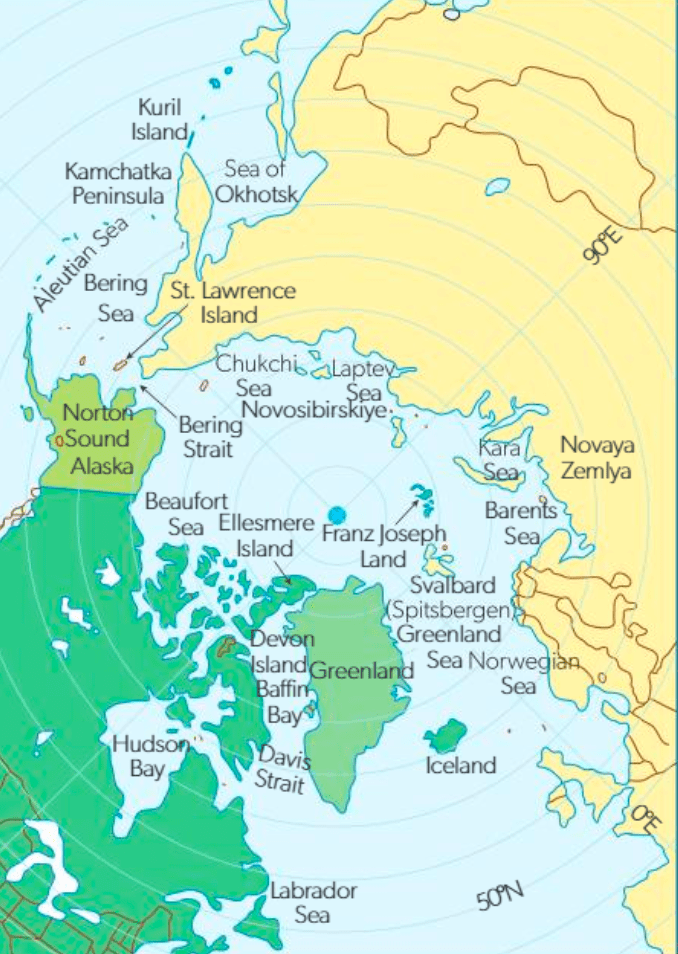
Ownership of the Arctic
The North Pole lies in the middle of the ocean—there is no land beneath it. According to the UN Convention on the Law of the Sea (UNCLOS), a country may claim up to 200 nautical miles (370 km) from its coastline and an additional 150 nautical miles (278 km) from the edge of its continental shelf for seabed rights.
In 2007, a Russian submarine planted a flag two miles under the North Pole, asserting that the Lomonosov Ridge is an extension of Russia’s continental shelf. Other nations with Arctic coastlines—Canada, Denmark (via Greenland), Iceland, Norway, Russia, and the USA—have launched their own scientific missions to support territorial claims.
The Antarctic
Antarctica is a continent almost entirely covered (98%) by ice and snow. No oil or mineral reserves have been exploited, but the region supports tourism, scientific research, and some fishing and whaling. Nearly 100,000 tourists are expected to visit each year (2022–23 season).
The Antarctic Treaty (signed in 1959 and expanded in 1991) ensures the continent remains a peaceful, protected area. It bans military activity, nuclear testing, and commercial mining, and promotes scientific cooperation.
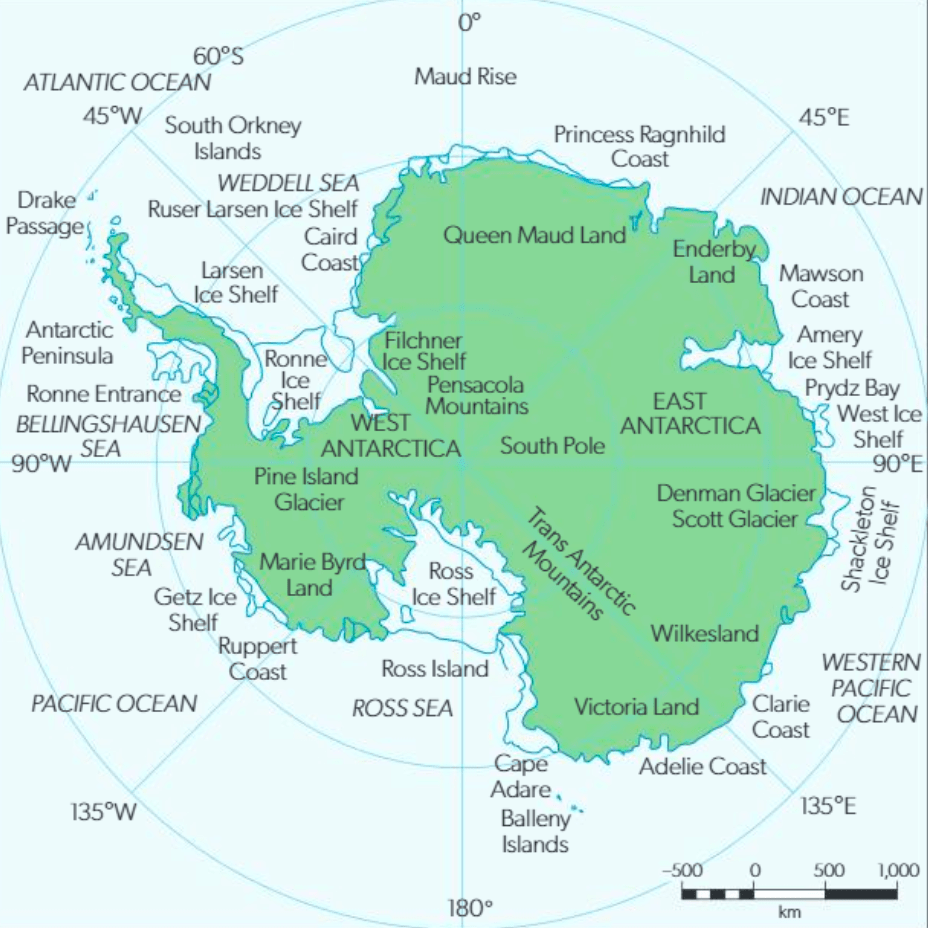
Key points of the treaty:
- No nuclear activity or military presence
- Protection of the environment
- No commercial mineral extraction or large-scale whaling
- Pollution control and clean-up of sites
Environmental Challenges
Fishing around Antarctica is poorly regulated, leading to overfishing and population decline in penguins and seals.
The Antarctic ice sheet holds about 61% of the world’s freshwater—if it melted, global sea levels could rise by up to 70 metres. Large ice shelves have been breaking away in recent decades, such as the Larsen B collapse (2002) and a new 1,550 km² iceberg in 2023.
While some ice is melting, other areas of the continent show thickening ice layers due to complex climate patterns.
Thoughts!
Compare and contrast:
- The sociopolitical pressures on the Arctic and Antarctic
- The environmental pressures on both regions
Notes and Exercises
Subscribe to get access
Read more of this content when you subscribe today.
![ESS 8.1.3 [AHL] Biocapacity and Environmental Migration](https://mypytrclass.com/wp-content/uploads/2025/12/image-4.png?w=1024)



![ESS 8.3.4 [AHL] Photochemical Smogs and Tropospheric Ozone](https://mypytrclass.com/wp-content/uploads/2025/12/image-1.png?w=1024)
 PYTR Class