

Abstract
Energy resources encompass both renewable and non-renewable forms, each contributing differently to global energy supply and sustainability. As population and per capita energy demand continue to rise, global energy consumption is increasing, intensifying the need for sustainable energy strategies. The sustainability of energy sources varies widely, influencing national and regional energy decisions. These choices are further shaped by economic, environmental, and technological factors. The intermittent nature of some renewable sources highlights the necessity for efficient energy storage systems to ensure reliability. Moreover, promoting energy conservation and improving efficiency can reduce a country’s dependence on imported resources, supporting long-term energy security and sustainability.
Learning Objectives
- Summarise renewable and non-renewable energy sources
- Explain the increasing demand of energy
- Discuss factors in choosing energy sources
- Discuss energy conservation and storage
Our Energy Sources
All energy available on Earth ultimately originates from the Sun. Without solar radiation, the planet’s surface temperature would approach absolute zero, approximately –273°C, rendering life impossible. Solar energy underpins all major natural and biological processes, including climate regulation, geochemical cycles, photosynthesis, and the sustenance of animal life (Smil, 2017). Human civilization relies fundamentally on solar energy, both directly through photosynthesis-based food chains and indirectly through various forms of energy conversion and storage.
Fossil fuels represent ancient stores of solar energy. These non-renewable resources consist of the compressed and decomposed remains of plants and animals that lived millions of years ago. Through combustion, humans release the energy originally captured by photosynthetic organisms. However, this process emits large quantities of carbon dioxide that had been sequestered in geological formations, thereby contributing significantly to rising atmospheric CO₂ concentrations and global climate change (IPCC, 2021).
At present, the majority of global energy demand is met by fossil fuels, which remain the dominant sources for industrial, residential, and transportation needs. In theory, renewable energy sources could fully replace fossil fuels, but current implementation remains limited at the global scale. Nevertheless, the share of renewables in total energy consumption is increasing steadily. Nations such as Norway, Iceland, and New Zealand derive a substantial proportion of their electricity from renewable sources, particularly hydropower. Similarly, China, the United States, and Brazil have emerged as global leaders in the installation and expansion of renewable energy capacity (IEA, 2023).

It is widely recognized that increasing the proportion of energy generated from renewable sources is essential for achieving global sustainability goals. Significant progress has been made in this transition: in 2021, approximately 22% of total energy consumption in both the European Union and the United States was derived from renewable resources (IEA, 2022). Substantial investment in research and development is directed toward improving the efficiency and reliability of renewable energy technologies, including wind, wave, tidal, and solar power systems. Despite this progress, exploration and extraction of new fossil fuel resources persist for several reasons.
First, transnational corporations (TNCs) and heavy industries remain deeply embedded within the carbon-based economy. The vast infrastructure of machinery and transport systems designed to operate on fossil fuels presents immense challenges to rapid decarbonization, even though gradual changes are underway (Smil, 2017). Second, while fossil fuels historically represented the least expensive energy option, recent analyses indicate that renewable energy has become the most cost-effective source of power generation, as reported by the United Nations in 2021 (UNEP, 2021). Third, many countries remain dependent on existing fossil fuel resources due to established trade agreements, economic convenience, and infrastructural inertia that hinder swift transitions to renewables.
Moreover, renewable energy sources are inherently location-dependent. Hydropower and pumped storage hydroelectric systems require specific topographical and hydrological conditions. Wave and tidal power are inaccessible to landlocked nations. Solar energy generation is most effective in regions with high solar irradiance and consistent sunlight, while wind power operates efficiently only within particular ranges of wind speed and consistency (Twidell & Weir, 2015). These geographical constraints necessitate diverse strategies tailored to local environmental and resource conditions in the global pursuit of sustainable energy transformation.
Energy Sources and Characteristic
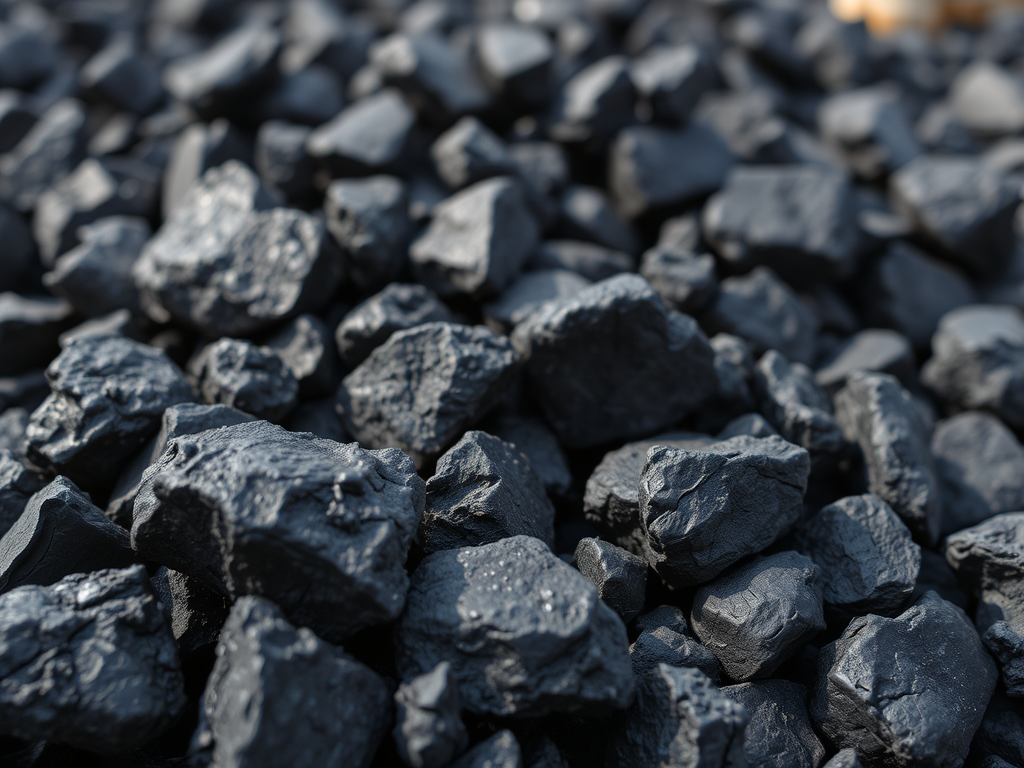
Coal (Fossil)
Coal remains one of the most abundant energy resources globally, with estimated reserves capable of lasting approximately 250 years. It is relatively inexpensive to mine, easy to transport in solid form, and requires minimal processing prior to combustion. Despite these advantages, coal is a non-renewable resource that cannot be replaced once depleted. Its combustion releases large quantities of carbon dioxide (CO₂), contributing significantly to greenhouse gas emissions. Furthermore, some coal varieties contain up to 10% sulfur, which produces sulfur dioxide (SO₂) and contributes to acid deposition. Soot emissions from coal burning also lead to smog formation and respiratory illnesses. In addition, mining activities cause extensive land degradation and environmental pollution. Compared to oil and natural gas, coal has a lower heat of combustion, producing less energy per unit mass.

Oil (Fossil)
Oil is characterized by its high heat of combustion and versatility, serving as a primary energy source in transportation and industry. Once discovered, it is relatively inexpensive to extract and refine. However, oil is a finite resource, with estimates suggesting depletion within 20 to 50 years at current consumption rates. Burning oil releases CO₂, exacerbating climate change. Additionally, oil spills and pipeline leaks pose serious environmental risks, while extraction from tar sands and oil shales results in substantial ecological damage. The geopolitical sensitivity of oil transport and infrastructure also introduces security risks, including terrorism and accidental damage.

Natural Gas (Fossil)
Natural gas possesses the highest heat of combustion among fossil fuels and yields a high amount of energy. It burns more cleanly than coal or oil, producing fewer emissions of CO₂ and particulate matter. It is relatively inexpensive and widely used in domestic heating and cooking. Nevertheless, natural gas remains a non-renewable resource, with reserves expected to last approximately 70 years at current usage levels. Although cleaner than other fossil fuels, it still emits CO₂ and methane—a potent greenhouse gas—during extraction and transport. The infrastructure required for extensive gas pipelines is costly and prone to leakage.

Nuclear Fission (Non-Renewable)
Nuclear fission relies on uranium as a raw material, which is relatively inexpensive and highly energy-dense. Small quantities of uranium can produce vast amounts of energy, and the process emits no CO₂ during normal operation. However, nuclear energy production entails significant challenges. Reactor construction and maintenance are costly, and the extraction of uranium involves environmental risks. The radioactive waste produced requires secure, long-term storage for thousands of years to prevent contamination. Although nuclear accidents are rare, incidents such as the Chernobyl disaster (1986) illustrate the catastrophic potential of radiation leakage. Additionally, uranium and plutonium pose risks of misuse for nuclear weapons development.
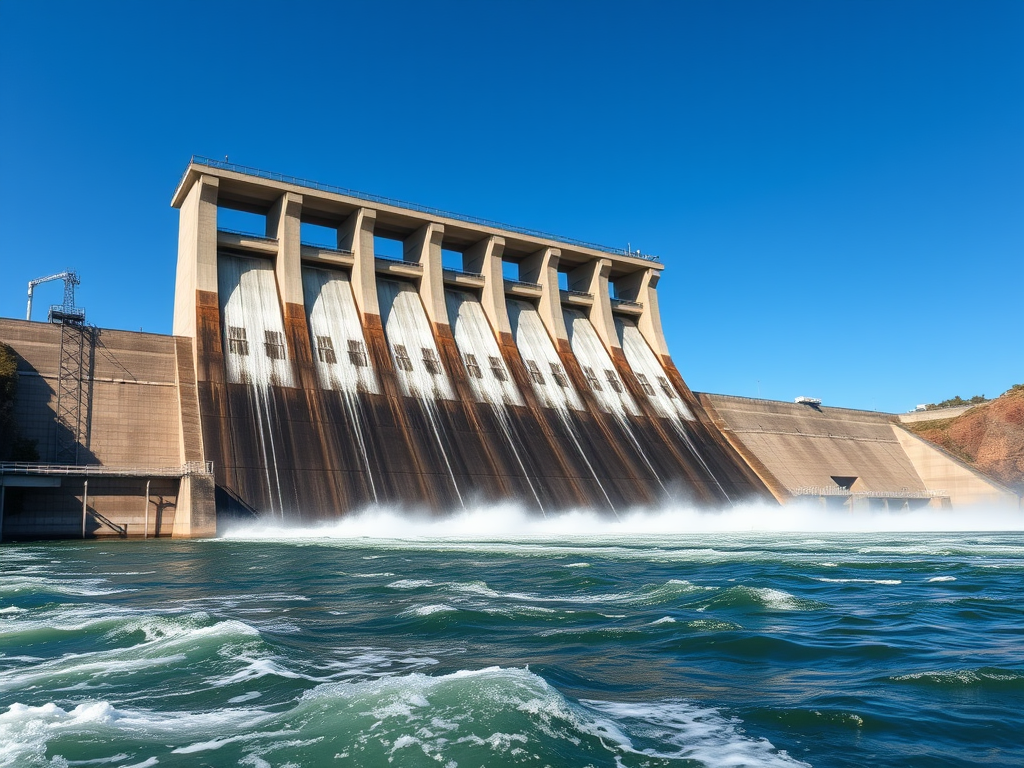
Hydroelectric Power (HEP) (Renewable)
Hydroelectric power harnesses the kinetic energy of moving water from rivers, lakes, or dams to generate electricity. It offers high-quality energy output relative to input, contributes to water storage, and supports other functions such as recreation and irrigation. HEP systems have strong safety records and low operational emissions. However, dam construction is costly and can result in the flooding of nearby communities and ecosystems. Dams alter local hydrology, disrupt aquatic habitats, and contribute to sediment accumulation, which can reduce the lifespan of reservoirs. Moreover, downstream areas may experience water shortages due to altered flow dynamics.
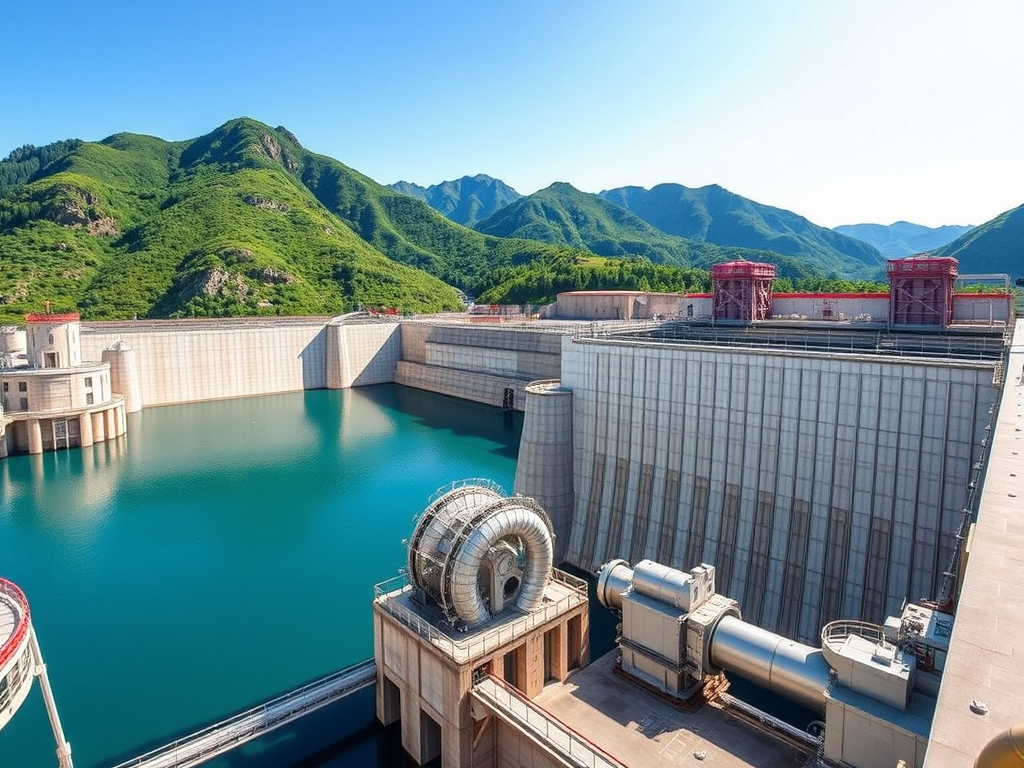
Pumped-Storage Hydroelectric Power (HEP) (Renewable)
Pumped-storage systems involve two reservoirs at different elevations, enabling the storage and release of energy by moving water through turbines. They are highly efficient, with energy conversion rates between 70% and 80%, and serve an important role in stabilizing power grids by balancing load during peak and off-peak periods. Despite these advantages, the construction of pumped-storage systems requires significant capital investment and specific topographical conditions, such as hilly terrain. Consequently, suitable sites are limited, and most facilities operate on a relatively small scale. There are also potential safety risks associated with dam failures and flooding.
Biomass
Biomass energy is derived from decaying organic matter, including plant and animal waste, which can be converted into methane or biofuels such as biodiesel from rapeseed, palm oil, or sugar cane. It represents a cheap and accessible energy source that can be sustainable if managed properly through crop replanting. However, the cultivation of biofuel crops may compete with food production, exacerbating food insecurity in regions with limited arable land. Additionally, burning biomass releases greenhouse gases and air pollutants. If replanting is not maintained, biomass becomes effectively non-renewable.

Wood
Wood fuel, obtained through tree felling or coppicing, is a traditional energy source used primarily for heat and light. It is relatively inexpensive and renewable if trees are replanted at a sustainable rate. However, wood combustion has a low energy yield per unit mass and produces significant emissions of CO₂ and other pollutants. The resource becomes non-renewable when deforestation exceeds replanting rates. Moreover, due to its bulk, wood has high transportation costs, which limit its efficiency as a large-scale energy source.

Solar Energy (Photovoltaic Cells)
Photovoltaic (PV) systems convert solar radiation directly into electricity through chemical processes. Solar power is renewable, safe, and capable of supplying independent electricity to individual buildings. It converts diffuse solar radiation—considered low-quality energy—into high-quality electrical energy. Nonetheless, solar panels are expensive to manufacture and install, and their performance depends on sunlight availability. PV systems also require regular maintenance and cleaning to maintain efficiency.
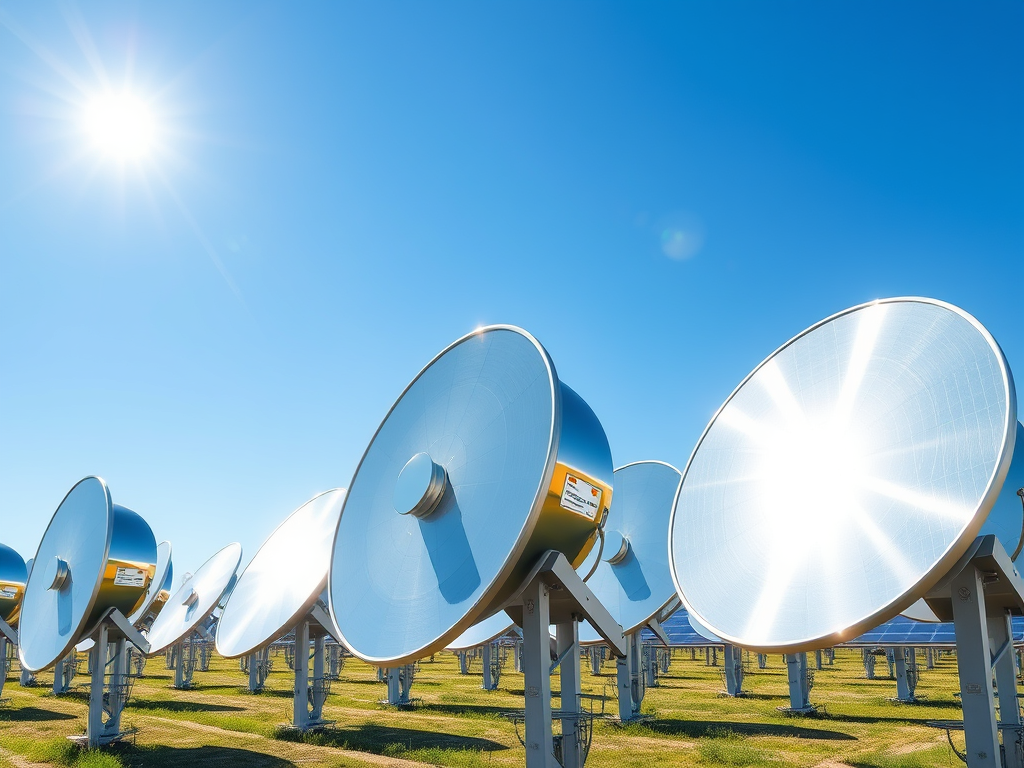
Concentrated Solar Power (CSP)
CSP systems employ mirrors to focus solar radiation onto a single point, generating heat to produce steam that drives turbines. This technology provides renewable energy at a cost comparable to that of fossil fuel power stations and is rapidly improving. However, CSP installations require large tracts of land, often located in tropical or arid regions, and remain relatively new, with ongoing technological and economic limitations.

Passive Solar Energy
Passive solar design uses architectural methods and materials to capture, store, and distribute solar heat within buildings. When properly integrated into construction, it offers low-cost heating solutions with minimal environmental impact. However, the effectiveness of passive solar systems depends on specialised architectural design and geographic location, limiting widespread application.

Wind Energy
Wind turbines convert kinetic energy from wind into electricity, either individually or as part of wind farms located onshore or offshore. Once operational, wind energy is clean, renewable, and requires minimal maintenance. However, wind energy systems depend on consistent wind conditions and are often situated far from urban centers, leading to transmission challenges. The manufacture and installation of turbines are costly, and wind farms are sometimes criticised for noise, visual intrusion, and their potential to harm birds and disrupt migration patterns.

Tidal Energy
Tidal energy harnesses the movement of seawater through turbines, often using tidal barrages constructed across estuaries to control flow. It is particularly advantageous for island nations and can provide substantial energy output while assisting in flood control. However, tidal power installations are expensive and geographically limited to suitable estuaries. Environmental concerns include disruption of marine habitats and interference with shipping routes.
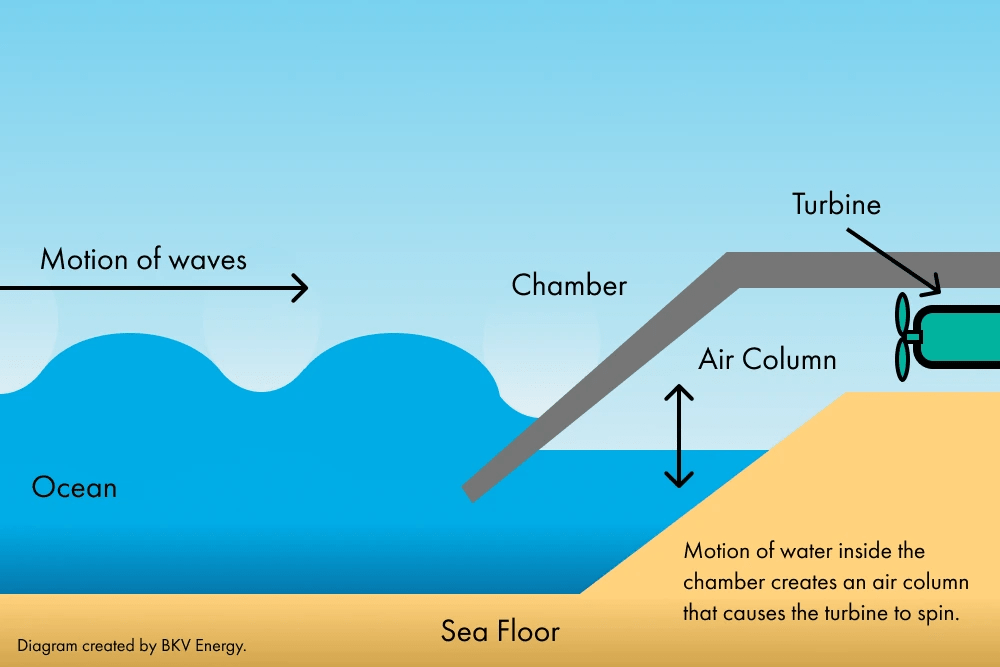
Wave Energy
Wave power utilises the motion of seawater entering and exiting shore cavities to compress trapped air, which drives turbines. It is best suited to coastal or island regions and is generally applied to small-scale operations. The construction of wave energy systems is costly, and installations face opposition due to potential ecological effects and vulnerability to storm damage.

Geothermal Energy
Geothermal power exploits heat from the Earth’s interior, particularly in volcanic regions, by injecting cold water underground to produce steam that drives turbines. It offers a potentially infinite and low-emission energy supply and is successfully employed in countries such as New Zealand and Iceland. However, geothermal plants have high initial setup costs and are limited to geologically active areas. Declining geothermal activity can reduce output, and underground gases must be carefully managed to prevent environmental harm.
Sustainability of Energy Sources
All forms of energy production entail environmental costs. The processes of locating, extracting, processing, and converting energy resources require significant material and land inputs, including concrete, steel, glass, alloys, and wood. These activities generate waste products and contribute to habitat disruption. At the end of an energy system’s operational life, its infrastructure must be dismantled. While some components can be recycled, economic and technological barriers often limit recovery rates. Improving the recyclability and circularity of materials used in energy production systems is essential for achieving long-term sustainability.
Rare Earth Elements
Rare earth elements (REEs) and other critical metals are extracted from mineral ores through energy-intensive mining and refining processes. Like fossil fuels and uranium, REEs are non-renewable; however, they can theoretically be recovered and reused through recycling within a circular economic framework.
Fossil Fuels
The continued reliance on fossil fuels is fundamentally unsustainable. Fossil fuels constitute a finite and non-renewable resource, yet they currently supply approximately 80% of global energy demand. The primary extraction methods for fossil fuels are mining and drilling, each of which has significant environmental and social implications.
- Oil
- Crude oil is typically found in underground reservoirs, within the cracks and pores of sedimentary rock, or in tar sands near the Earth’s surface. Extraction is achieved through drilling in sedimentary formations and strip mining in tar sand deposits. Once extracted, oil is transported to refineries via pipelines, trains, trucks, or supertankers. At refineries, fractional distillation separates crude oil into various usable products such as gasoline, kerosene, propane, and feedstocks for industrial materials including plastics and paints.
- Coal
- Coal remains one of the most carbon-intensive and environmentally damaging energy sources. It is extracted through two main techniques: underground mining and surface mining (also known as strip mining). Underground mining involves cutting coal from deep deposits using heavy machinery, while surface mining removes extensive layers of soil and rock to expose coal seams. Opencast mines occupy large areas of land and result in severe ecological disruption.
- Natural Gas
- Natural gas occurs within porous and permeable rock formations or alongside oil reservoirs and is typically extracted via standard drilling techniques. To facilitate transportation, it is often converted into liquefied natural gas (LNG), a process that removes water, oxygen, carbon dioxide, and sulfur compounds, reducing its volume to one six-hundredth of its original size. Combustion of LNG emits approximately 40% less carbon dioxide than coal and 30% less than oil, rendering it the cleanest fossil fuel.
Hydraulic fracturing (commonly known as fracking) is a technique employed to extract otherwise inaccessible oil and gas deposits. It involves injecting a high-pressure mixture of water, sand, and chemicals into rock formations to create fractures through which hydrocarbons can be released. Despite its efficiency, fracking remains controversial due to its high water consumption, potential to induce seismic activity, and the risk of methane leakage into the atmosphere.
Uranium
Nuclear energy relies on uranium, a non-renewable element naturally present in the Earth’s crust at an average concentration of 2.8 parts per million. While uranium is more abundant than precious metals such as gold and silver, its economically viable deposits are limited. Current global demand for uranium is approximately 67,000 tonnes per year, with the majority consumed by the power generation sector. Smaller quantities are used for medical, research, and naval propulsion purposes.
Existing uranium reserves are projected to be depleted by the end of the 21st century, and locating new sources has become increasingly difficult. Consequently, uranium prices have risen steadily, with forecasts suggesting a potential doubling by 2030. Major producers include Kazakhstan, Canada, Namibia, and Australia—the latter possessing the largest known reserves but ranking second in global production.
Uranium mining poses significant environmental hazards. Pollutants released during extraction can contaminate aquatic ecosystems for centuries, endangering fish, wildlife, and downstream human communities. Even minimal concentrations of certain contaminants can bioaccumulate through the food chain, resulting in deformities and reproductive impairments in aquatic species. Although uranium itself is only mildly radioactive, the mining and crushing of uranium ore release radon gas, which decays into radioactive “radon daughters.” Inhalation of these particles exposes lung tissue to radiation, significantly increasing the risk of lung cancer among miners.
Renewable Energy
In contrast, renewable energy sources ultimately derive from solar energy, which drives atmospheric circulation, ocean currents, and the hydrological cycle. While the Sun itself will eventually exhaust its nuclear fuel and expand into a red giant, this process will not occur for approximately five billion years, rendering solar-derived energy effectively renewable on human timescales.
Energy Consumption
Using the following graphs, answer the following questions:
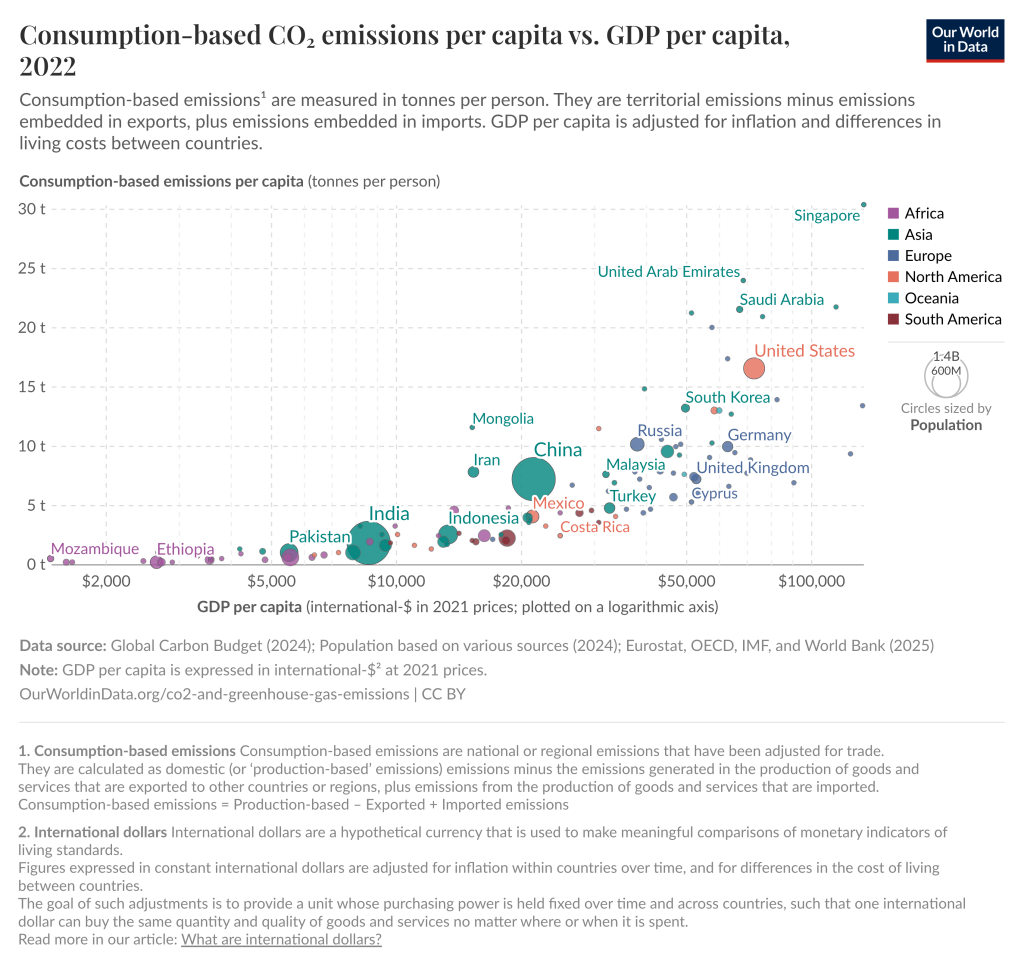
- Describe the relationship between a country’s GDP per capita and its carbon dioxide (CO₂) emissions per capita.
- Identify the three countries with the largest populations.
- Of these countries, determine which one produces the greatest total CO₂ emissions and explain the reasons behind this.
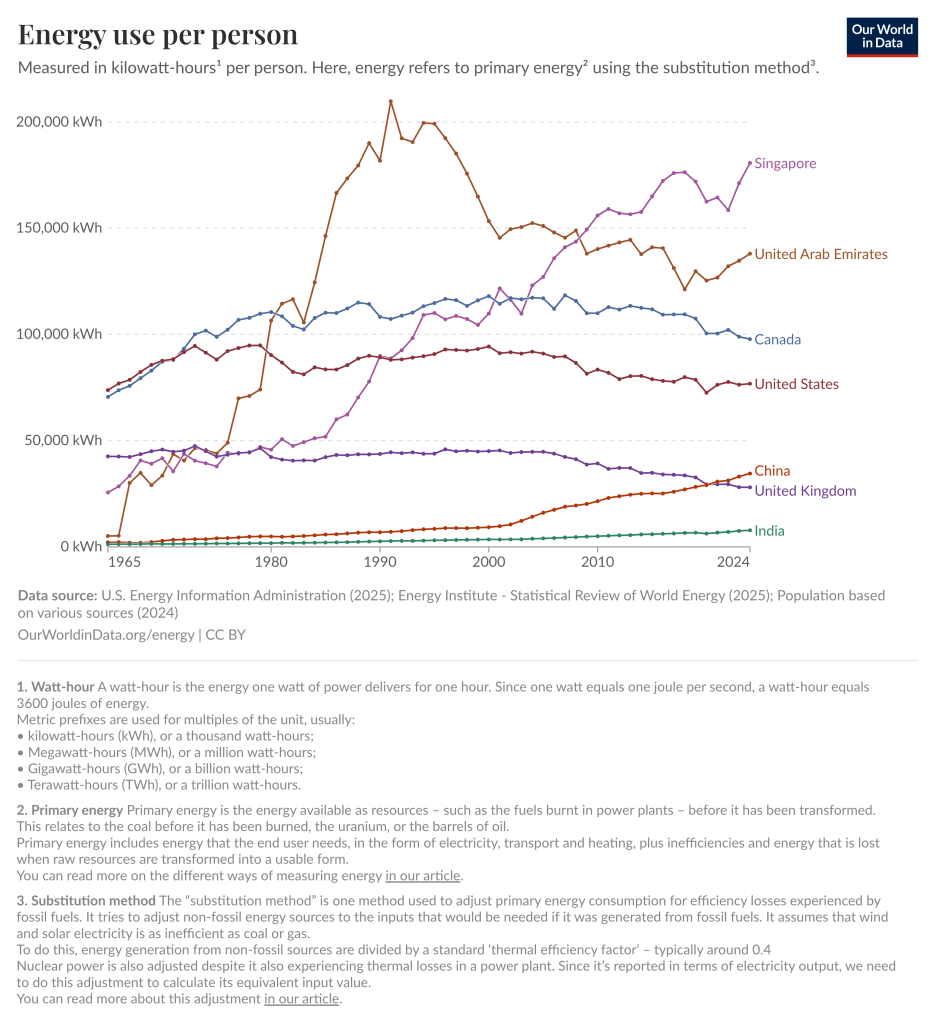
- Explain why energy use is high in the United Arab Emirates and discuss the factors that have led to a decrease since 1990.
- Explain the main reasons for high energy consumption in the United States.
- Discuss why China’s energy use per capita has increased more rapidly than India’s.
Relationship Between GDP per Capita and Carbon Dioxide Emissions per Capita
There is a strong positive correlation between a country’s gross domestic product (GDP) per capita and its carbon dioxide (CO₂) emissions per capita. Generally, higher-income nations exhibit greater energy consumption and industrial activity, leading to increased CO₂ emissions. However, this relationship can weaken in highly developed economies that transition toward renewable energy and energy-efficient technologies (World Bank, 2023).
Countries with the Largest Populations
The three most populous countries in the world are China, India, and the United States (United Nations, 2023).
Country Producing the High Total Carbon Dioxide Emissions
Among these, China is currently one of the largest producer of total CO₂ emissions. This is primarily due to its extensive industrial base, reliance on coal for electricity generation, and rapid economic expansion over recent decades. Although China has made significant investments in renewable energy, its energy demand continues to rise in proportion to industrial output and urbanisation (IEA, 2023).
Reasons for High Energy Use in the United Arab Emirates (UAE)
The UAE’s high per capita energy consumption results from several factors:
- A hot desert climate requiring continuous air conditioning and desalination for water supply.
- Economic reliance on energy-intensive industries such as oil refining, petrochemicals, and aluminum production.
- High standards of living and widespread private vehicle ownership.
Since 1990, energy use per capita in the UAE has declined due to improvements in energy efficiency, diversification of the economy, investment in renewable energy (particularly solar), and national policies aimed at reducing dependence on fossil fuels (UAE Ministry of Energy and Infrastructure, 2022).
Reasons for High Energy Use in the United States
The United States exhibits high energy consumption per capita due to its large-scale industrial and transportation sectors, widespread suburban development, high vehicle ownership, and relatively low fuel prices. Additionally, the country’s extensive use of air conditioning and heating across diverse climatic regions contributes to elevated household energy demand (EIA, 2023).
Comparison of Energy Use Between China and India
China’s energy use per capita has increased more significantly than India’s because of its faster industrialisation, urbanisation, and economic growth. China’s manufacturing-based economy demands large amounts of electricity and fossil fuels, while India’s economy remains more service-oriented with slower industrial expansion. Moreover, China’s infrastructure development and higher living standards have contributed to greater per capita energy consumption (IEA, 2023).
Energy Security and Management
Global demand for energy is both high and increasing, rising by approximately 2% per year. The growing need for energy to power the global economy continues to drive reliance on non-renewable fossil fuels. However, fossil fuel reserves are finite and will eventually be depleted.
Energy price volatility and political instability present significant risks to governments, emphasizing the importance of diversification in energy sources. Risk can be mitigated by utilizing a variety of energy sources obtained from multiple regions, including domestic production where available.
Energy resources are distributed unevenly across the globe. Fossil fuel deposits are concentrated in specific regions—large coal reserves in China, oil in the Middle East, and natural gas in Russia and Qatar. Consequently, some countries must import fuels to meet their energy needs. International energy dependence can function effectively under peaceful and economically stable conditions, but it poses serious energy security risks when geopolitical or market disruptions occur.
Despite ongoing improvements in energy efficiency and conservation, the eventual exhaustion of certain energy resources is inevitable. While conservation efforts can slow growth in energy demand and contribute to greater energy security, their overall effect remains limited. Global demand for energy continues to rise at an unsustainable pace.
Under a net-zero transition scenario aimed at 2050, it is estimated that approximately half of the world’s fossil fuel assets could become worthless by 2036. Countries reliant on fossil fuel production may experience substantial revenue losses, whereas those investing heavily in renewable energy may benefit. Nations possessing “stranded assets” may therefore resist decarbonization, while fossil fuel–importing nations, burdened by high energy costs, are likely to support accelerated transitions.
Norway illustrates this tension: although it possesses significant oil reserves, it also leads in renewable energy production. Since much of its oil is exported, Norway may face economic challenges if it fails to diversify away from oil dependence.
Energy Choices
The energy choices made by societies are shaped by a range of interrelated factors:
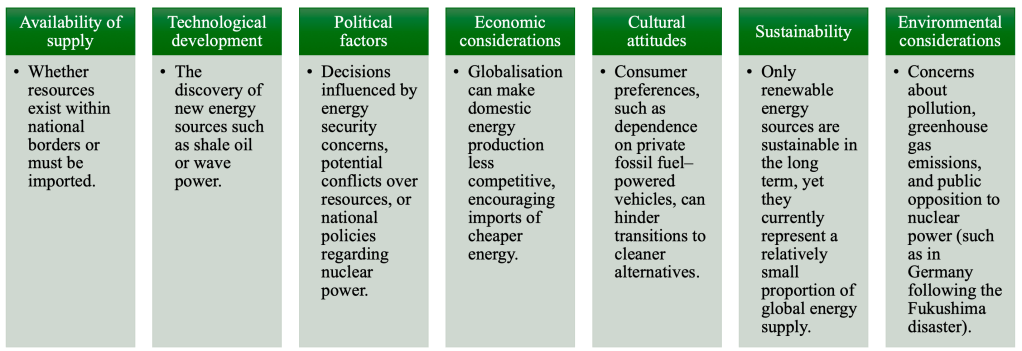
Energy Storage Solutions
Energy is stored in many forms, including in food, the human body, fossil fuels, biomass, and biofuels. Modern energy storage technologies include hydropower, rechargeable batteries, green hydrogen, thermal storage (e.g., hot water tanks or heat-retaining solids), and fuel cells.
Battery storage power stations use large arrays of batteries to “peak shave”—balancing fluctuations between supply and demand. A battery functions by storing chemical energy and converting it into electrical energy through electron flow between two electrodes: the anode and the cathode. Rechargeable batteries reverse this process by converting electrical energy back into chemical energy.
Common battery types include sodium–sulfur, metal–air, lithium-ion, and lead–acid batteries. Electric vehicles (EVs) typically employ lead–acid, nickel–metal hydride (NiMH), or lithium-ion (Li-ion) batteries. Owing to rising demand, extensive research is being conducted into more efficient and sustainable alternatives. Sodium-ion batteries are promising because sodium is abundant, while solid-state lithium-metal batteries could offer higher efficiency and safety.
Nevertheless, battery production remains expensive in terms of both raw materials and energy input, posing economic and environmental challenges.
Energy Conservation and Efficiency
Energy conservation involves behavioural changes aimed at reducing energy consumption. Examples include:
- Turning off unused lights
- Reducing heating or air-conditioning use
- Minimizing travel in fuel-driven vehicles
Energy efficiency, on the other hand, focuses on technological improvements that allow the same services to be provided with less energy. Examples include:
- Designing buildings to retain or expel heat more effectively
- Using low-energy or intelligent lighting systems
- Developing energy-efficient transport methods such as sail-assisted shipping
- Creating products that are easily recyclable, contributing to a circular economy
Light-emitting diodes (LEDs) exemplify an effective energy-efficient technology. Lighting accounts for nearly 5% of global CO₂ emissions, yet LED lighting can reduce energy consumption by 50–70% or more compared with older technologies. Transitioning to LED systems represents a straightforward and cost-effective strategy for reducing emissions and energy bills.
Designing products for easy recycling is also critical. For example, early Pringles packaging combined metal, foil, plastic, and cardboard, making it nearly impossible to recycle using conventional methods. In response to consumer pressure, the manufacturer modified the design by removing the plastic lid and introducing a foil seal, alongside specialised recycling programs. However, for recycling to be effective, it must remain convenient and accessible to consumers.
Notes and Classwork
Subscribe to get access
Read more of this content when you subscribe today.
References
- International Energy Agency (IEA). (2022). Renewables 2022: Analysis and Forecast to 2027. OECD/IEA.
- Twidell, J., & Weir, T. (2015). Renewable Energy Resources (3rd ed.). Routledge.
- United Nations Environment Programme (UNEP). (2021). Global Trends in Renewable Energy Investment 2021. UN Environment Programme.
- Intergovernmental Panel on Climate Change (IPCC). (2021). Climate Change 2021: The Physical Science Basis. Cambridge University Press.
- International Energy Agency (IEA). (2023). World Energy Outlook 2023. OECD/IEA.
- Smil, V. (2017). Energy and Civilization: A History. MIT Press.
![ESS 8.1.3 [AHL] Biocapacity and Environmental Migration](https://mypytrclass.com/wp-content/uploads/2025/12/image-4.png?w=1024)



![ESS 8.3.4 [AHL] Photochemical Smogs and Tropospheric Ozone](https://mypytrclass.com/wp-content/uploads/2025/12/image-1.png?w=1024)
 PYTR Class