
Learning Objectives
- Describe and evaluate a range of management strategies of urban air pollution
General Management Strategies
A range of management and intervention strategies can be employed to mitigate urban air pollution at different scales. These strategies may target various sources of pollution and are associated with distinct advantages and limitations. Broadly, air pollution management can be approached in two principal ways: modifying the human activities that generate pollutants, and controlling the release of pollutants into the environment.
Altering human activities that produce pollutants represents the most effective point of intervention, as it prevents pollution at its source. This approach is typically the least costly and often involves the adoption of alternative technologies and lifestyle changes. Such changes may be promoted through public awareness campaigns, education, government legislation, and economic incentives or disincentives.
Alternatively, pollution can be managed by regulating the release of contaminants into the environment through legislative measures. This approach commonly involves the use of technologies designed to capture or neutralise pollutants before they are emitted.
Several urban air pollution management strategies are outlined below. Each strategy may be understood as either modifying human activity or controlling pollutant release.
1. Improving Public Transportation Systems
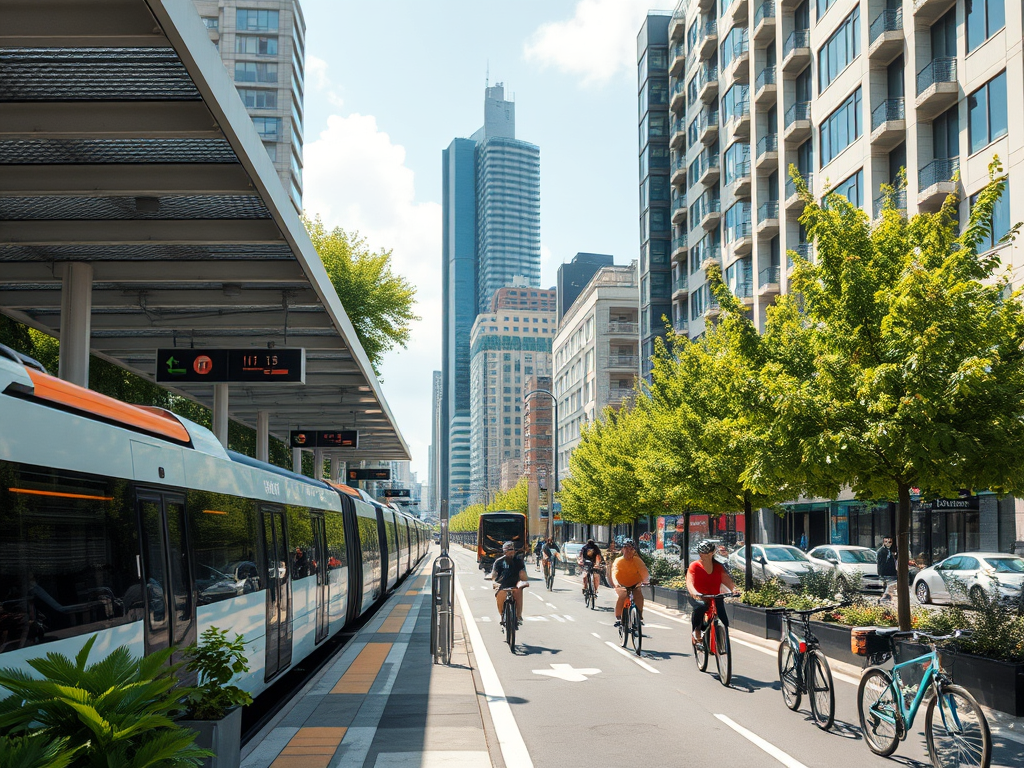
Improving public transportation systems, such as buses, subways, trains, ferries, and trams, can substantially reduce urban air pollution. Public transport is designed to move large numbers of people efficiently and cost-effectively and is often funded and operated by local governments. Enhancements to public transport can reduce air pollution by increasing the use of vehicles powered by alternative energy sources, such as electricity or renewable fuels; transporting more people using fewer vehicles, thereby reducing the number of private cars on the road; and alleviating road congestion, which in turn lowers vehicle emissions. For example, avoiding private car use can reduce an individual’s carbon emissions by up to 10 kg per day.
2. Improving Cycling Infrastructure
Improving infrastructure for cycling is another effective strategy. Many individuals are deterred from cycling in urban areas due to safety concerns arising from shared road space with motor vehicles. The provision of dedicated cycleways, from which cars are excluded, can address this issue. In addition to the well-documented physical and mental health benefits, increased cycling reduces reliance on fossil fuels, resulting in no direct harmful emissions. A moderate increase in bicycle use has been estimated to reduce carbon dioxide emissions by between 6 and 14 million tonnes annually.
3. Increasing the number of trees and vegetation
Increasing the amount of vegetation, including trees and other plants, in urban environments also contributes to improved air quality. Urban vegetation enhances aesthetic appeal while removing pollutants from the atmosphere. Particulate matter, odours, and gases such as ammonia, nitrogen oxides, and sulfur dioxide can accumulate on leaf surfaces and be absorbed through stomata, thereby очищing the air. Vegetation also contributes to reductions in tropospheric ozone and releases oxygen through photosynthesis.
4. Legislate Catalytic Converter
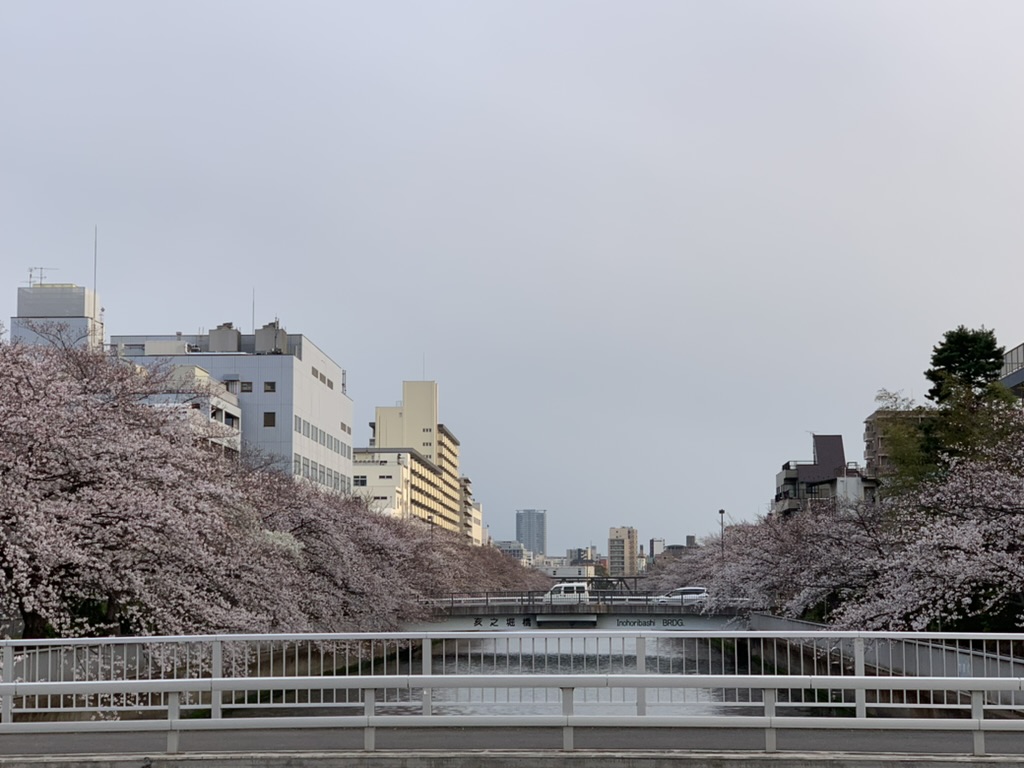
Legislating the installation of catalytic converters in all petrol- and diesel-powered vehicles represents a regulatory approach to pollution control. Catalytic converters contain a metal housing coated with catalysts—typically platinum or palladium—that facilitate chemical reactions converting harmful pollutants into less toxic substances, such as carbon dioxide, nitrogen gas, and water vapour. These devices can remove up to 98% of certain pollutants from exhaust emissions. However, their effectiveness is offset by disadvantages, including high costs, reliance on scarce non-renewable metals, and vulnerability to theft.
5. Pedestrianise town centres
Finally, the pedestrianisation of town and city centres through the restriction or prohibition of non-essential vehicles can significantly reduce air and noise pollution associated with fossil fuel combustion. Such measures encourage walking by creating safer and more pleasant environments and can enhance social interaction and cultural activities within urban spaces.
[Case Study] London
gov.uk/sites/default/files/draft-eeb-2016.pdf [Accessed 1 June 2020].
Distribution Patterns of Green Spaces in London
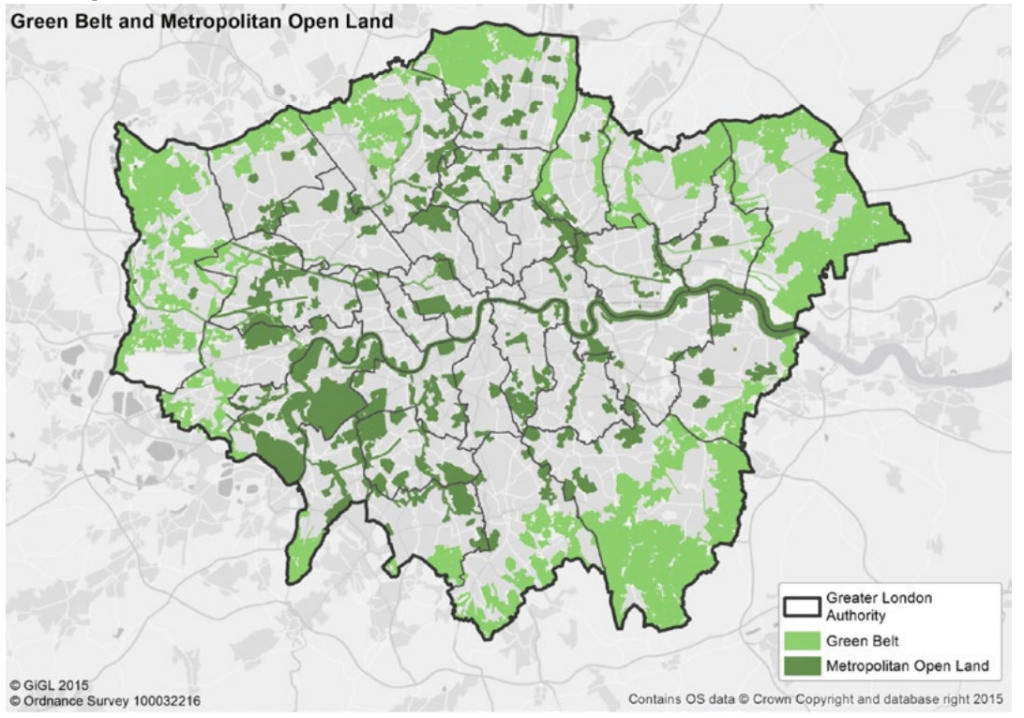
The spatial distribution of green spaces within London is largely fragmented and dispersed across the urban landscape. Greater expanses of open land are concentrated in the southwestern areas of the city. In contrast, more extensive forested and semi-natural environments, including sections of the Green Belt, are predominantly located along the city’s periphery and outer boundaries, with a notable concentration in the southeast. Additionally, a continuous corridor of green space is evident along the course of the River Thames, contributing to ecological connectivity across the city.
Green Spaces in London as Natural Capital
London’s green spaces constitute a significant form of natural capital due to the wide range of ecosystem services they provide. These spaces contribute to improved air quality by removing atmospheric pollutants, thereby enhancing public health and reducing healthcare expenditures. They offer opportunities for education, tourism, leisure, and physical activity, which can alleviate stress and reduce obesity levels. Proximity to green spaces also increases the economic value of residential properties.
Furthermore, green spaces support biodiversity by providing habitats for a variety of species, including insects, plants, and small animals, and by sustaining pollinators such as bees. They play a vital role in flood mitigation by absorbing precipitation and enhancing water infiltration, while also filtering and improving the quality of water entering rivers and aquifers. Rivers and lakes serve as sources of freshwater, and vegetated areas help regulate urban temperatures by reducing the urban heat island effect, leading to lower energy costs for heating and cooling. In addition, green spaces function as carbon sinks by absorbing carbon dioxide and releasing oxygen, and they supply natural resources such as food, timber, and fertile soils for agricultural use.
NOx Concentration in London
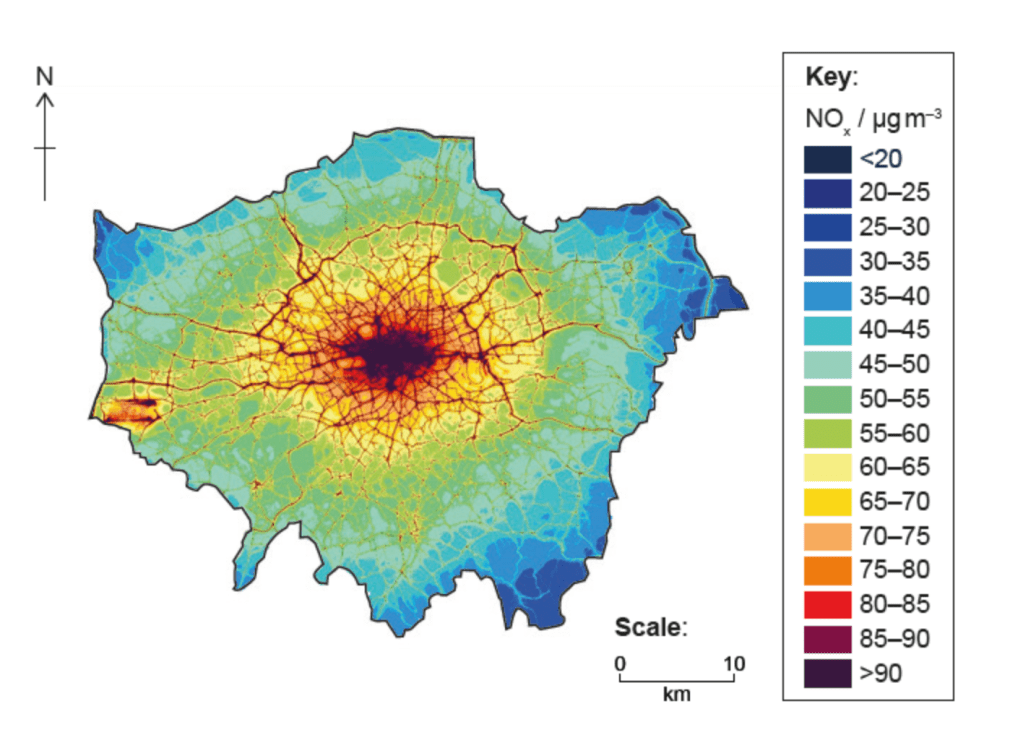
The highest concentrations of nitrogen oxides (NOx) are observed in central London due to a combination of transportation-related emissions and urban structural factors. The combustion of fossil fuels is a primary source of NOx emissions, and the high density of vehicles in the city centre results in substantially greater emissions. Central London experiences intense traffic volumes, and congestion causes vehicles to operate less efficiently, thereby increasing NOx output.
laei–2016.
In addition, the extensive use of public transport, particularly buses powered by diesel engines, contributes significantly to NOx emissions. The concentration of commercial buildings and offices also necessitates frequent deliveries, leading to increased use of heavy goods vehicles, which further elevates NOx levels. Moreover, the urban morphology of central London, characterised by tall and closely spaced buildings, restricts air circulation and traps pollutants near street level, resulting in higher concentrations of NOx.
Finally, the limited presence of trees and green spaces in central London reduces the natural removal of NOx from the atmosphere, as vegetation plays a role in absorbing and filtering air pollutants.
Potential Impacts of Improved Air Quality on London and Its Population
Improvements in air quality in London would have substantial positive impacts on both the population and the urban environment. These benefits include a reduction in premature mortality associated with air pollution and an increase in overall life expectancy. Improved air quality would also lower the incidence of respiratory and cardiovascular conditions, such as asthma, chronic bronchitis, and heart disease, as well as reduce eye irritation and related disorders. Consequently, healthcare costs would decline.
Environmental benefits would include a reduction in the urban heat island effect and decreased damage to buildings and historic monuments, resulting in lower maintenance and restoration costs. Improved air quality would also lessen damage to plant tissues, thereby enhancing photosynthesis, plant growth, and primary productivity. Additionally, reduced pollution levels would support greater species diversity, as many organisms are adversely affected by high concentrations of air pollutants. Finally, improved visibility due to the reduction of smog and particulate matter would enhance the overall urban experience.
Conclusion
In conclusion, effective management of urban air pollution in London should prioritise an integrated approach that reflects the spatial distribution of pollution sources and the vital role of green infrastructure. Since the highest concentrations of nitrogen oxides are found in central areas due to dense traffic, congestion, diesel-powered public transport, and limited air circulation, policies should focus on reducing vehicle emissions through cleaner transport technologies, congestion reduction measures, and stricter emission standards. Expanding low-emission and zero-emission public transport fleets would be particularly effective.
At the same time, protecting and enhancing London’s green spaces is essential, as they function as valuable natural capital by improving air quality, regulating temperature, supporting biodiversity, and mitigating flood risk. Increasing urban tree cover and green corridors, especially in central London, would help absorb pollutants and improve air flow. Together, these measures would lead to improved air quality, reduced health impacts, lower healthcare costs, and a more sustainable and liveable urban environment for London’s population.



![ESS 8.3.4 [AHL] Photochemical Smogs and Tropospheric Ozone](https://mypytrclass.com/wp-content/uploads/2025/12/image-1.png?w=1024)
 PYTR Class