
Author: Peter M.K.H JAMAL
-
![ESS 3.2.2 [AHL] Key Biodiversity Areas](https://mypytrclass.com/wp-content/uploads/2025/05/image-13.png?w=1024)
ESS 3.2.2 [AHL] Key Biodiversity Areas
Learning Objectives Part 1: Biodiversity under Threats Key biodiversity areas (KBAs) Species extinctions have crossed a critical threshold The planetary boundary ‘Loss of biosphere integrity’ indicates that species extinctions have already crossed a critical threshold. Research indicates that animal populations have decreased rapidly by an average of 69% between 1970 and 2018. This decrease has…
-

ESS 3.2.1 Threats and IUCN Red List
Learning Objectives Part 1: Direct and Indirect Threats Direct Threats Indirect Threats Includes habitat loss, climate change, pollutions and introduction of invasive species. Part 2: IUCN Red List Objectives of IUCN Red List The Publicity of Species Status Activity 1 Slide presentation with case studies: Part 3: Tragedy of the Commons Tragedy of the commons …
-
![ESS 3.1.5 [AHL] Mass Extinction and Anthropocene](https://mypytrclass.com/wp-content/uploads/2025/05/image-11.png?w=1024)
ESS 3.1.5 [AHL] Mass Extinction and Anthropocene
Learning Objectives Part 1: Eons and Epochs The geological timescale is divided into eons, which are further classified into eras periods and epochs Key terminologies Part 2: Mass Extinction Events The Ordovician–Silurian extinction 439 mil years ago The Late Devonian extinction 364 mil years ago The Permian–Triassic extinction 251 mil years ago The End Triassic…
-
![ESS 3.1.4 [AHL] Reproductive Isolation & Artificial Selection](https://mypytrclass.com/wp-content/uploads/2025/05/image-10.png?w=1024)
ESS 3.1.4 [AHL] Reproductive Isolation & Artificial Selection
Learning Objectives Part 1: Sources of Genetic Variations Prior Knowledge on Terminologies: Phenotype Genotype and genes Allele Part 2: Isolations and Speciation Reproductive Isolation Plate Tectonic Movements Result in Geographical Isolation Other Isolations Human Impact on Evolution For example: Tuskless Elephants in Gorongosa, Mozambique Part 3: Artificial Selection Selective breeding works in the following way…
-

ESS 3.1.3 Why Conserving Biodiversity?
Learning Objectives Levels of Understanding In both cases, accurate biodiversity data helps in: Global level Regional level Effective Management Strategies to Conserve Biodiversity Introduction Mt. Kinabalu, 4095m [Case Study] The Bornean Birdwing Butterfly In sum, Mt. Kinabalu is a home for 711 documented species of orchids, 621 species of ferns, 27 species of Rhododendrons, 9…
-

ESS 3.1.2 Evolution and Speciation
Learning Objectives Part 1: Evolution and Natural Selection Evolution Natural Selection Part 2: Speciation Speciation leads to reproductive isolation Notes Question 1 Outline the factors that contribute to total biodiversity of an ecosystem Question 2 Distinguish between species diversity and species richness. Question 3 Outline what high and low values of the Simpson reciprocal index…
-
![ESS 4.4.5 [AHL] Indicator Species and Biotic Index](https://mypytrclass.com/wp-content/uploads/2025/05/image-4.png?w=1024)
ESS 4.4.5 [AHL] Indicator Species and Biotic Index
Learning Objectives Part 1: Indicator Species ..are organisms whose presence, absence, or abundance reflects a specific environmental condition, such as pollution. They are not limited to water pollution and can indicate: Tolerance to Pollution Some species can tolerate low oxygen levels caused by organic pollution and thrive in polluted conditions. Others cannot survive in low…
-
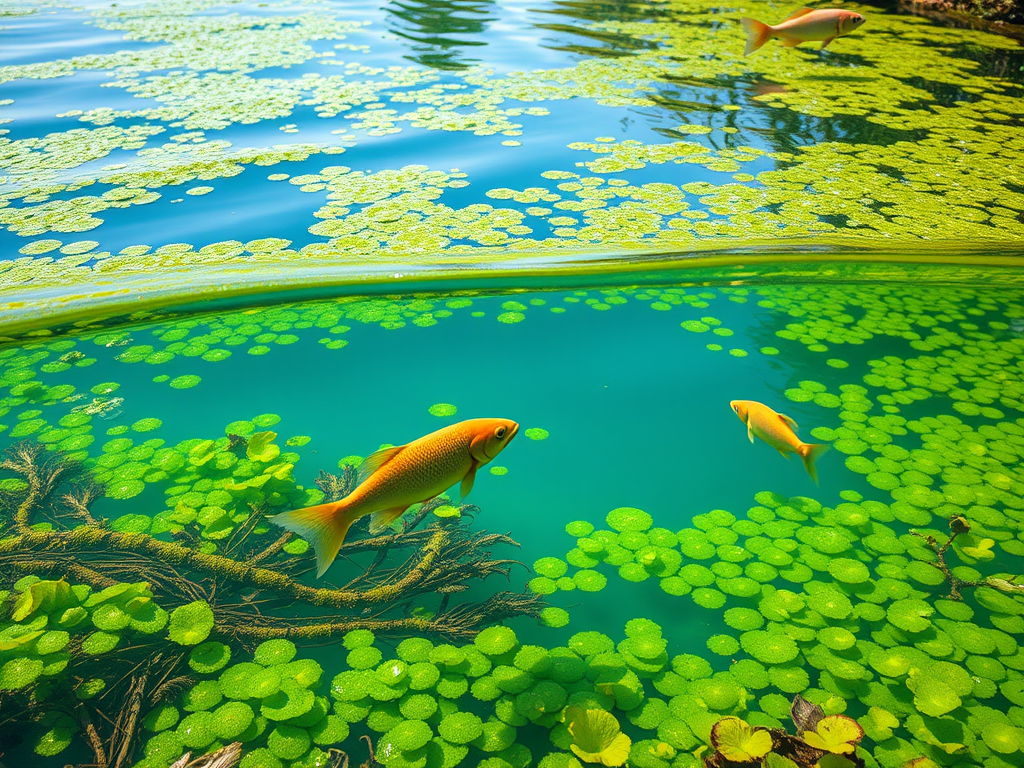
ESS 4.4.3 Eutrophication
Learning Objectives Part 1: Eutrophication Process Anthropogenic Eutrophication Phosphorus Nitrogen Impacts of Eutrophication Consequences Part 2: [AHL] Harmful Algal Blooms (HABs) Freshwater HABs Marine (Coastal) HABs Other Factors Part 3: Eutrophication on Ecological Services Effects on Fishing Effects on Recreation Aesthetic Impacts Health Concerns Part 3: Management Strategies Altering Human Activities Reducing Emission Clean-Up Strategies…
-
![ESS 4.4.2 [Case Studies] 16 Top Water Crises Around the World](https://mypytrclass.com/wp-content/uploads/2025/05/the-seine-river-polluted-in-paris.png?w=1024)
ESS 4.4.2 [Case Studies] 16 Top Water Crises Around the World
1. Flint Water Crisis (USA) 2. Ganges River Pollution (India) 3. Citarum River (Indonesia) 4. Lake Tai (China) 5. Niger Delta (Nigeria) 6. Yamuna River (India) 7. Aral Sea Shrinkage (Kazakhstan/Uzbekistan) 8. Wular Lake (India) 9. Tiete River (Brazil) 10. Love Canal (USA) 11. Po River (Italy) 12. River Thames (UK) 13. Oder River (Poland/Germany,…
-
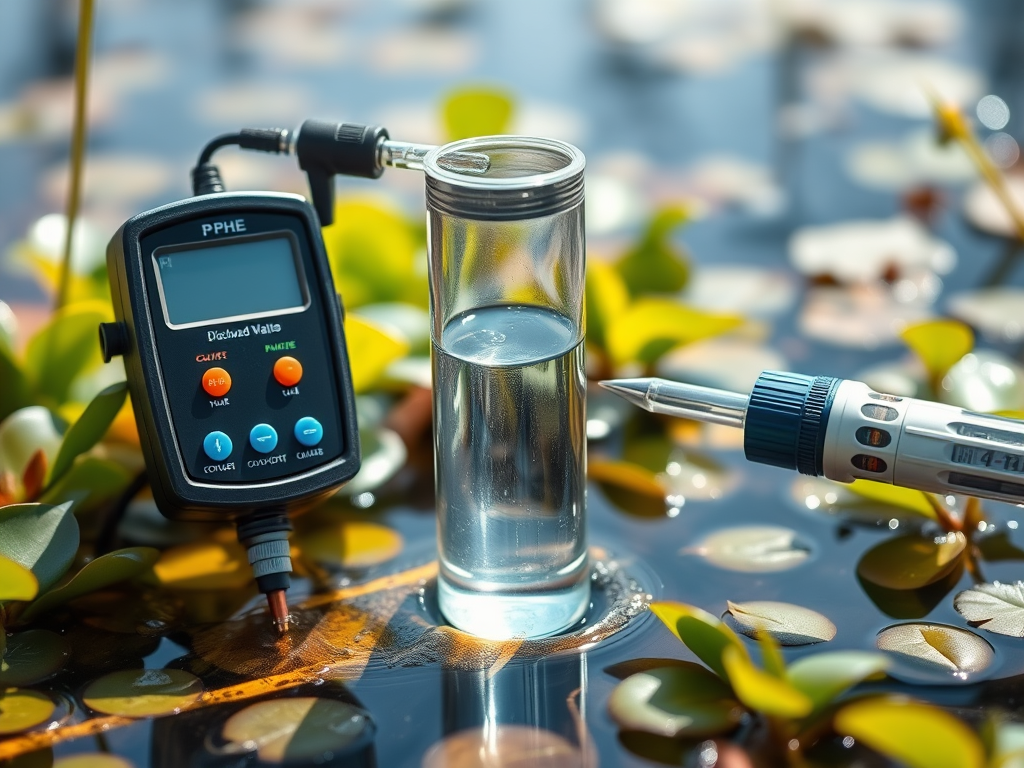
ESS 4.4.4 Water Quality Indicators
Learning Objectives Part 1: Water Quality Assessment Water quality monitoring in freshwater systems involves assessing: Purpose of data collection: Standard water quality tests can be conducted on drinking water, rivers, and other sites using portable equipment that detects: Common water quality indicators for rivers include: Two main methods of measuring water quality: Summary of measures:…
-
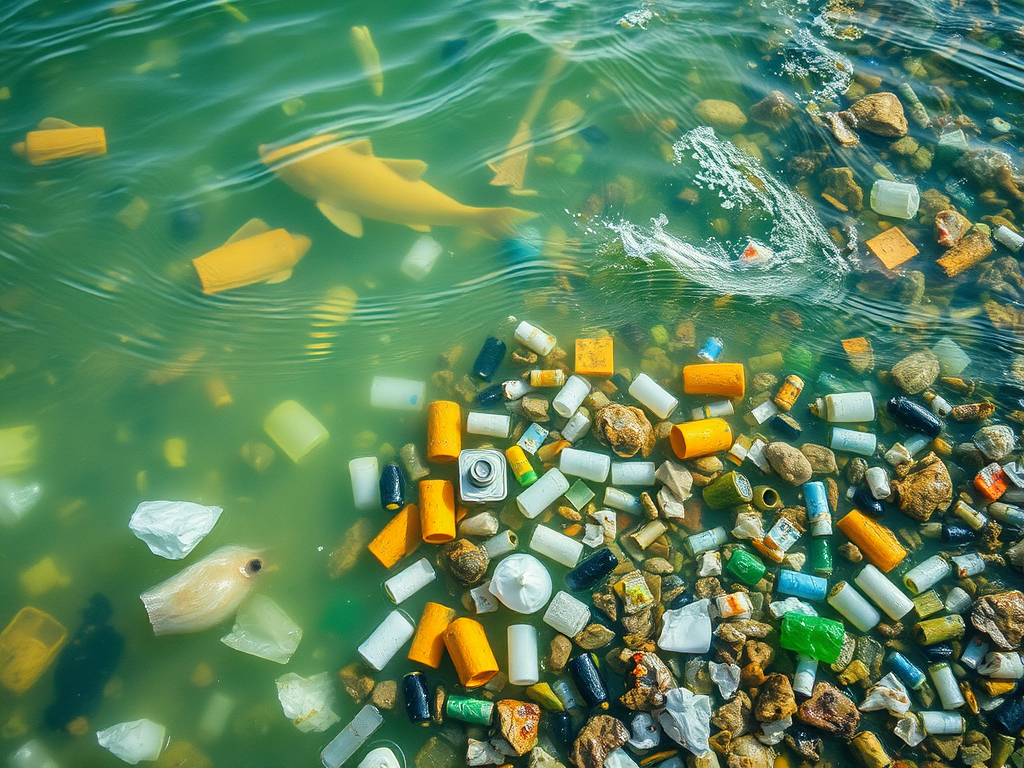
ESS 4.4.2 Introduction to Water Pollution
Learning Objectives Part 1: Defining Water Pollution Freshwater and marine pollution sources: Storm water pollution: Annual highway run-off (1 km of M1 in the UK): Part 2: Point and Non-Point Water Pollutions Point Source Pollution Non-Point Source Pollution Common Types of Water Pollutants: Part 3: Plastics in the Ocean Plastic Pollution in Oceans Case Study:…
-
![ESS 4.4.1 [AHL] Aquatic Dead Zones and Water Treatment](https://mypytrclass.com/wp-content/uploads/2025/05/image-1.png?w=1024)
ESS 4.4.1 [AHL] Aquatic Dead Zones and Water Treatment
Learning Objectives Part 1: Hypoxic and Anoxic Causes and Impacts of Hypoxia and Anoxia in Aquatic Systems Part 2: Water Treatment Overview of Sewage Treatment Global Differences in Sewage Treatment – Global treatment rate (2021): ~52% of sewage treated Part 3: Stages of Water Treatment Exercise 1. What is a primary cause of hypoxia in…
-
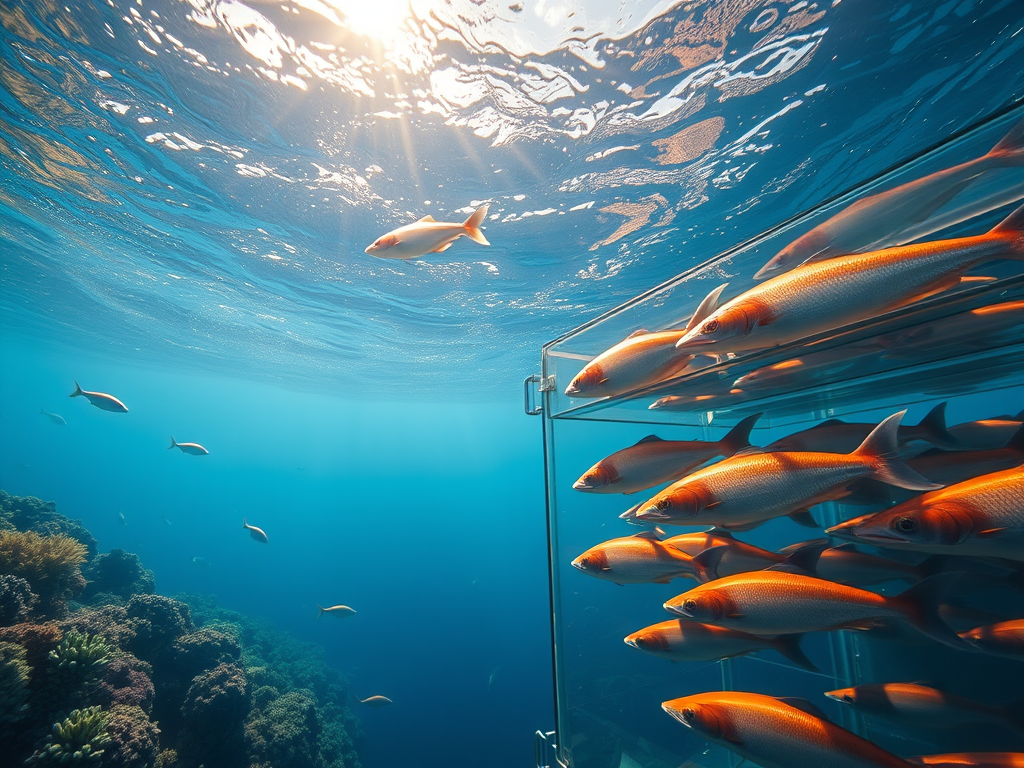
ESS 4.3.5 Protected Marine and Aquaculture
Learning Objectives Part 1: Protected Marine Areas Part 2: Aquaculture Expansion and Purpose of Aquaculture Key Species and Market Information Economic and Production Characteristics Environmental Impacts Environmental and Energy Costs Benefits of Aquaculture Mitigation Strategies
-
![ESS 4.3.4 [AHL] EEZ and Biorights](https://mypytrclass.com/wp-content/uploads/2025/04/whaling.png?w=1024)
ESS 4.3.4 [AHL] EEZ and Biorights
Learning Objectives Part 1: Exclusive Economic Zone, EEZ Key Information of EEZ Disputes and Surveys of EEZ Part 2: Animal rights and Indigenous hunters Historical Whaling – In the late 1930s, over 50,000 whales were killed annually. Part 3: Whaling Case Studies
-
![ESS 4.3.3 [AHL] Monitoring the Sustainability of The Aquatic Food Production Systems](https://mypytrclass.com/wp-content/uploads/2025/04/monitoring-sustainability-of-food-production-systems-in-terms-of-stocks.png?w=1024)
ESS 4.3.3 [AHL] Monitoring the Sustainability of The Aquatic Food Production Systems
Learning Objectives Part 1: Productivity, Thermal Stratification, Nutrient Mixing and Nutrient Loading Ocean Productivity and Photosynthesis Light and Photosynthesis in the Ocean Ocean Layers and Mixing Nutrients and Productivity Geographic and Seasonal Variations in Productivity Part 2: Assessment of Fish Stocks and Monitoring of Harvest Rates Assessment of Fish Stocks and Monitoring of Harvest Rates…
 PYTR Class