
Author: Peter M.K.H JAMAL
-
![ESS 2.4.3 [AHL] Natural Phenomena Affecting the Ecosystem](https://mypytrclass.com/wp-content/uploads/2025/02/image-9.png?w=1024)
ESS 2.4.3 [AHL] Natural Phenomena Affecting the Ecosystem
Learning Objectives Ocean Current The ocean conveyor belt, also known as the global thermohaline circulation, represents a large-scale system of ocean currents responsible for the movement of vast quantities of upper-ocean water and the transfer of energy through deep-sea circulation. This process is primarily driven by the formation and subsequent sinking of cold, saline water…
-
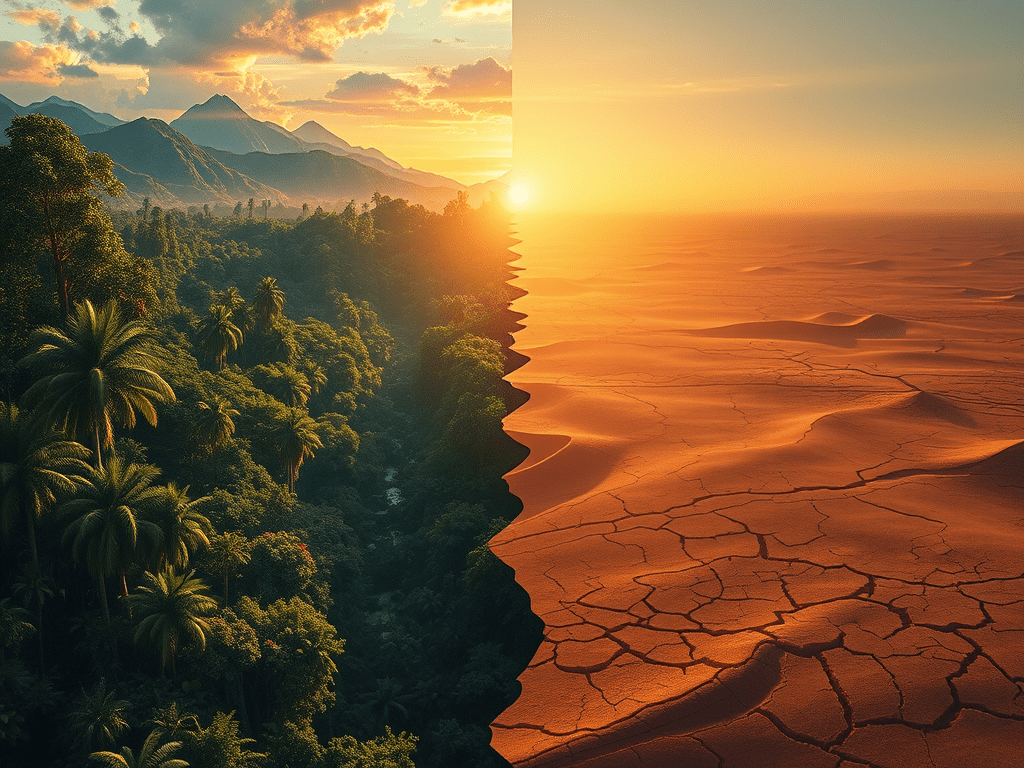
ESS 2.4.2 Shifting Biomes
Learning Objectives Global warming is leading to shifts in biomes The distribution of biomes is influenced by factors such as temperature, sunlight, and precipitation. An increase in CO2 and other greenhouse gases raises the average global temperature (Topic 6), which subsequently impacts rainfall patterns. These climatic changes, in turn, affect the distribution of biomes. Studying…
-
ESS 2.4.1 Climate and Biomes
Learning Objectives Part 1: Climate vs Weather Distinguishing Climate and Weather Part 2: Distribution of Biomes Biomes Tropical Rainforests Tropical rainforests experience constant high temperatures (around 26°C) and heavy rainfall (over 2500 mm per year), creating ideal conditions for plant growth. Found near the equator between the Tropics of Cancer and Capricorn (23.5° N and…
-
![ESS 2.3.2 [AHL] Nitrogen Cycle](https://mypytrclass.com/wp-content/uploads/2025/02/image-6.png?w=1024)
ESS 2.3.2 [AHL] Nitrogen Cycle
Learning Objectives Part 1: Where can you find nitrogen? Part 2: Nitrogen cycles Part 3: The Haber Process Outline of the Haber Process The Haber process is an industrial method used to produce ammonia (NH₃) from nitrogen and hydrogen gases. It is essential for manufacturing fertilisers and other nitrogen-based chemicals. Raw Materials Reaction Conditions Chemical…
-
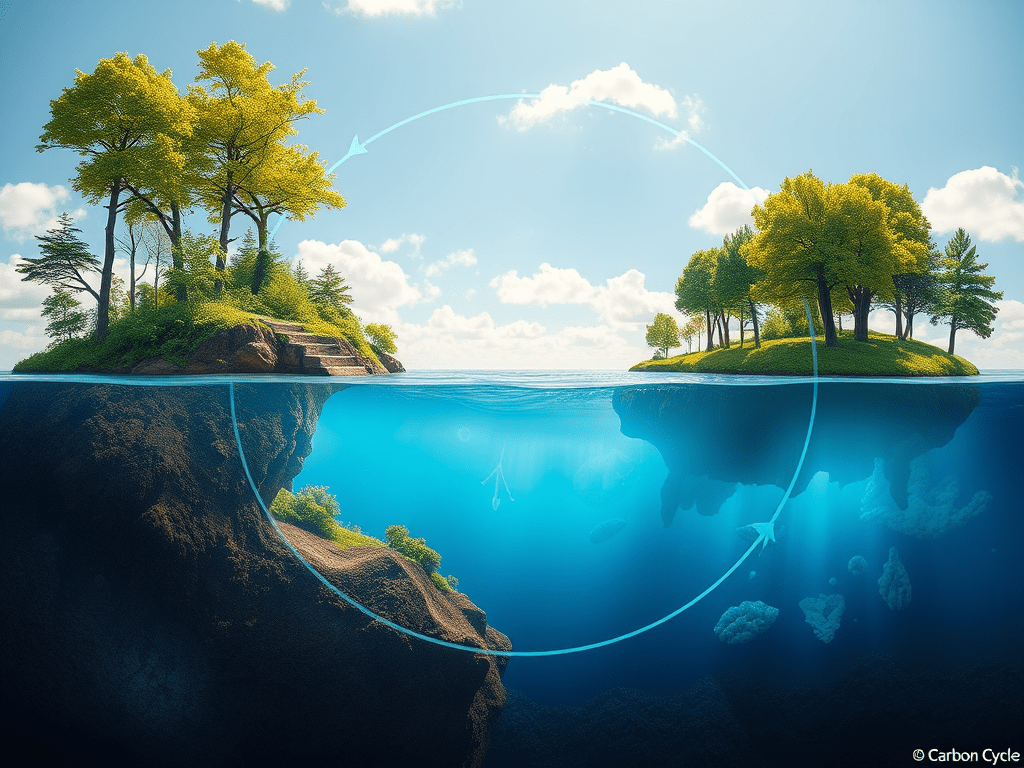
ESS 2.3.1 Carbon Cycle
Learning Objectives Part 1: Introduction to Biogeochemical Cycles The cycling of nutrients is essential in the maintenance of ecosystems because nutrients provide the chemical elements needed for biological molecules. The factors influencing nutrient storage and transfer include: Part 2: Carbon Cycle Activity 1 Part 3: Carbon Storage Carbon sequestration Carbon sequestration is the natural capture…
-
![ESS 2.2.5 [AHL] Ecological Yields & Efficiency](https://mypytrclass.com/wp-content/uploads/2025/02/image-5.png?w=1024)
ESS 2.2.5 [AHL] Ecological Yields & Efficiency
Learning Objectives Part 1: Maximum Sustainable Yield (MSY) Annual sustainable yield Question: Explain why sustainable yields are higher for lower trophic levels Answer: Sustainable Yield and Trophic Level Efficiency in Food Production Sustainable yield (SY) is a measure of the rate at which natural capital, or natural income, increases and can be utilized without depleting…
-
![ESS 2.2.4 [AHL] Nutritional Roles of Organisms](https://mypytrclass.com/wp-content/uploads/2025/02/image-4.png?w=1024)
ESS 2.2.4 [AHL] Nutritional Roles of Organisms
Learning Objectives Part 1: Autotrophs VS Heterotrophs All living organisms can be classified as autotrophs or heterotrophs. Autotrophs Heterotrophs Part 2: Ecological Productivity Productivity in ecosystems Notes
-
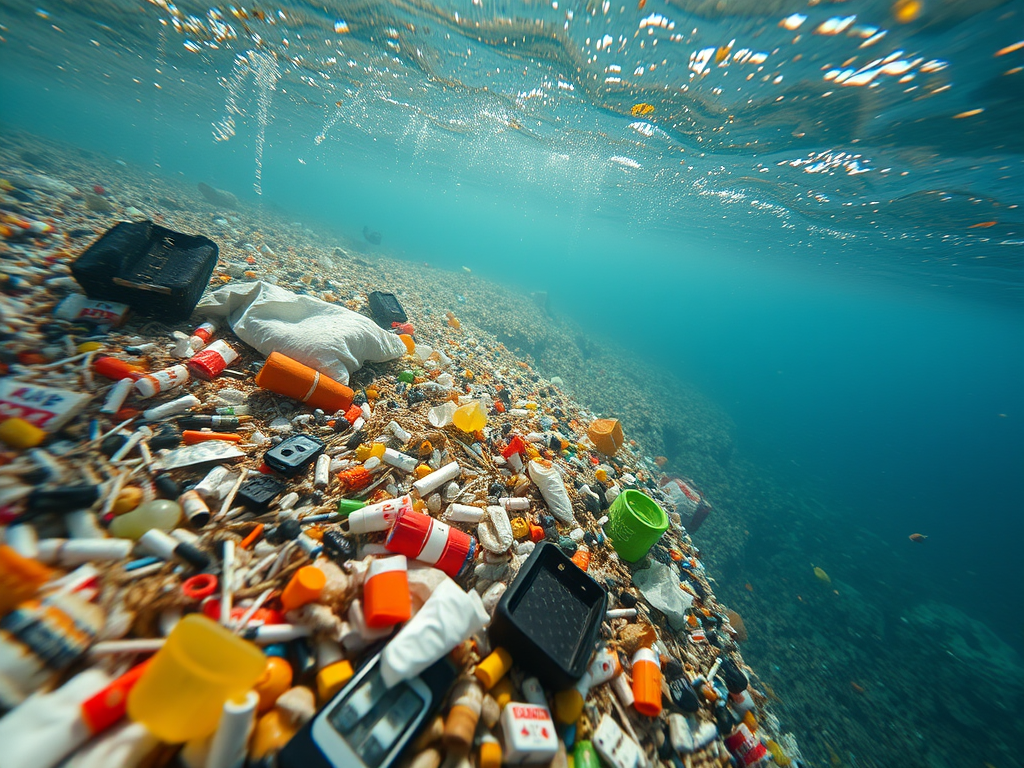
ESS 2.2.3 Bioaccumulation and Biomagnification
Learning Objectives Part 1: Bioaccumulation and Biomagnification Part 2: [Case study] DDT Introduction of DDT Banning History of DDT Part 3: Microplastics
-
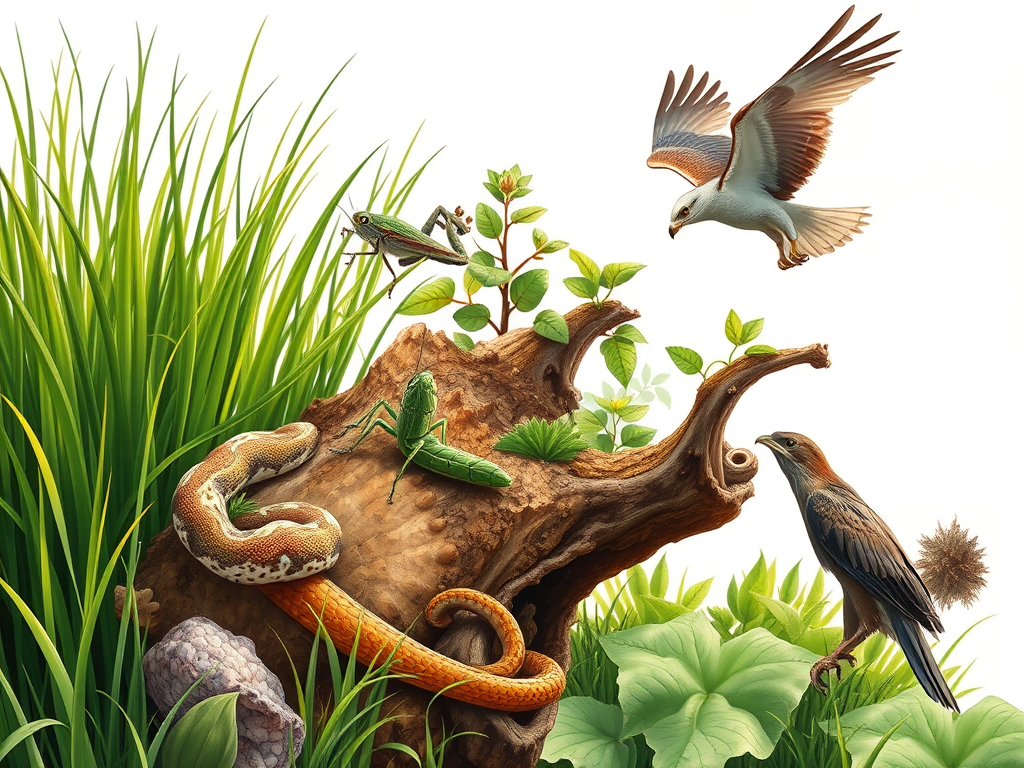
ESS 2.2.2 Food Chains and Pyramids
Learning Objectives Part 1: Food Chains and Food Web A trophic level is a stage of position of a organism in a food chain. From the above example, the organisms can be placed into these trophic levels: Trophic level 1 = grass Trophic level 2 = grasshopper Trophic level 3 = toad Trophic level 4…
-

ESS 2.2.1 Energy in the Ecosystems
Learning Objectives Part 1: Roles of Organisms – Terminologies Activity 1: Download the following file. Cut the boxed and try to match the roles of organisms with its terminology. Alternative activity 1: Define the following roles of organisms with examples Part 2: Law of Thermodynamics Photosynthesis and Respiration Photosynthesis & Cellular Respiration in Ecosystems Equation…
-
ESS 2.1.6 [AHL] Further Classification & Cladistics
Learning objectives Life Cycles and Human Impacts on Species Life cycles vary considerably among species, reflecting differences in reproductive behaviour, lifespan, and ecological adaptations. Species can be broadly categorised based on their reproductive strategies and the degree of parental investment in offspring. Species Life Cycle Differences and Classification Species exhibit distinct life cycle patterns that…
-
ESS 2.1.5 [Skills] Sampling the Ecosystem
Learning objectives Part 1 Random Quadrat Process of Using Quadrats for Sampling Population Size Sampling Methods: Population Density Calculation: Abundance scales Part 2 Transect Quadrat sampling along a transect is used to measure changes in species composition, population density, and distribution along an environmental gradient (e.g., soil moisture, altitude, light intensity). Steps for Quadrat Sampling…
-
ESS 2.1.3 Population Interactions
Learning objectives Terminologies Community A community is a group of several populations living and interacting with each other in an ecosystem. A community is many species living together, whereas the term population refers to just one species A population of sheep, eating grass. Note that there are a few species of grass in the field.…
-
ESS 2.1.4 Population Growth
Learning Objectives Part 1: Population and Niche Definition: “A population is a group of organisms of the same species living in the same area at the same time, and which are capable of interbreeding” The Concept of Niche First of all, the niche is not just the habitat! A niche describes the particular set of…
-
ESS 2.1.2 Biotic and Abiotic Factors
Learning objectives Introduction Take a look at the photograph on the left, everything that you see and might not see can be the factors for an ecosystem to be self-sustaining Let’s list down what present in this ecosystem! We can clearly see a ladybug, aphids and some vegetation. These are living things are are interacting…
 PYTR Class