
Category: Chemistry S1
-

Chemistry S1.5 Limiting Reactants
Learning Objectives Part 1: Limiting Reactant In every reaction involving two reactants, one may become limiting and the other will be in excess. This means that… Based on this graph, oxygen is the limiting reactant as it is completely used to form water. There are some amount of hydrogen gas remained unreacted at the end…
-

Chemistry S1.2 Nuclear Atom
Learning Objectives Part 1: Atomic Model An atom has 3 groups subatomic particles: When writing an ion, the A and Z do not change from its element. The number electron(s) that the atom has received or lost is indicated at P Example: To sum: Atomic Number (Z) and Mass Number (A) Formula:A = Z +…
-
Chemistry S1.4 The Mole Concept
Learning Objectives This section focuses on: Part 1: Relative Atomic Mass Relative Atomic Mass (Ar) is the weighted average mass of an atom of an element compared to 1/12th the mass of a carbon-12 atom. It takes into account the different isotopes of the element and their abundances. From the above, it is noted that…
-
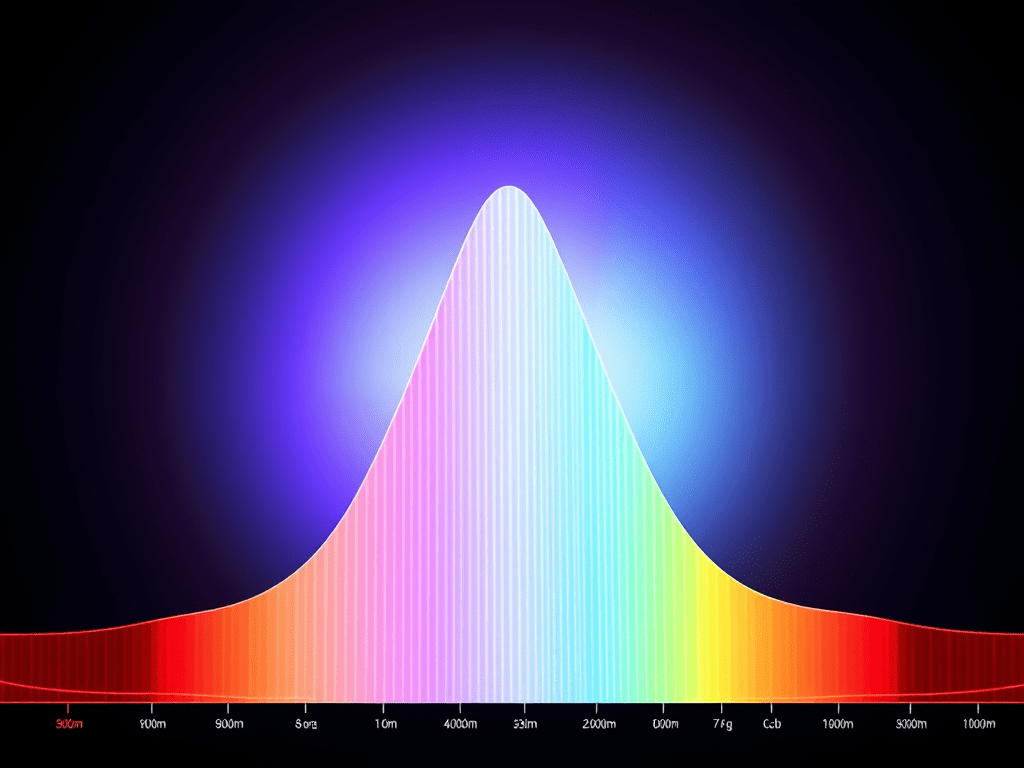
Chemistry S1.3 Electron Configuration
Learning Objectives Part 1: Absorption and Emission Spectra Did you know that the colour of flame correspond to a certain electromagnetic radiation? When burned, electrons are excited and when returned to the original energy level, photon is released. This photon may be visible light, infra-red or UV etc. The above are flame test of Na,…
-
Chemistry S1.1 Particulate Nature of Matters
Learning Objectives Part 1: Elements, Compounds and Mixtures All matters can be found in two major compositions: Part 2: Separation Techniques Part 3: States of Matter Kinetic Molecular Theory Property Solids Liquids Gases Distance between particles Close together Close but further apart than in solids Far apart Arrangement Regular Random Random Shape Fixed shape No…
 PYTR Class