
Category: ESS Topic 3 Biodiversity
-
ESS 3.3.1 Conservation Strategies
Learning Objectives Part 1: Arguments for Preservation of the Biodiversity Conservation strategies include the following approaches: Inter-governmental organisation and non-governmental organisations are working together so some extent in the conservation approaches. For instance, CBD addresses the critical need to protect ecosystems, species, and genetic diversity in response to rising threats such as habitat loss, climate change, and…
-
![ESS 3.2.2 [AHL] Key Biodiversity Areas](https://mypytrclass.com/wp-content/uploads/2025/05/image-13.png?w=1024)
ESS 3.2.2 [AHL] Key Biodiversity Areas
Learning Objectives Part 1: Biodiversity under Threats Key biodiversity areas (KBAs) Species extinctions have crossed a critical threshold The planetary boundary ‘Loss of biosphere integrity’ indicates that species extinctions have already crossed a critical threshold. Research indicates that animal populations have decreased rapidly by an average of 69% between 1970 and 2018. This decrease has…
-
ESS 3.2.1 Threats and IUCN Red List
Learning Objectives Part 1: Direct and Indirect Threats Direct Threats Indirect Threats Includes habitat loss, climate change, pollutions and introduction of invasive species. Part 2: IUCN Red List Objectives of IUCN Red List The Publicity of Species Status Activity 1 Slide presentation with case studies: Part 3: Tragedy of the Commons Tragedy of the commons …
-
![ESS 3.1.5 [AHL] Mass Extinction and Anthropocene](https://mypytrclass.com/wp-content/uploads/2025/05/image-11.png?w=1024)
ESS 3.1.5 [AHL] Mass Extinction and Anthropocene
Learning Objectives Part 1: Eons and Epochs The geological timescale is divided into eons, which are further classified into eras periods and epochs Key terminologies Part 2: Mass Extinction Events The Ordovician–Silurian extinction 439 mil years ago The Late Devonian extinction 364 mil years ago The Permian–Triassic extinction 251 mil years ago The End Triassic…
-
![ESS 3.1.4 [AHL] Reproductive Isolation & Artificial Selection](https://mypytrclass.com/wp-content/uploads/2025/05/image-10.png?w=1024)
ESS 3.1.4 [AHL] Reproductive Isolation & Artificial Selection
Learning Objectives Part 1: Sources of Genetic Variations Prior Knowledge on Terminologies: Phenotype Genotype and genes Allele Part 2: Isolations and Speciation Reproductive Isolation Plate Tectonic Movements Result in Geographical Isolation Other Isolations Human Impact on Evolution For example: Tuskless Elephants in Gorongosa, Mozambique Part 3: Artificial Selection Selective breeding works in the following way…
-
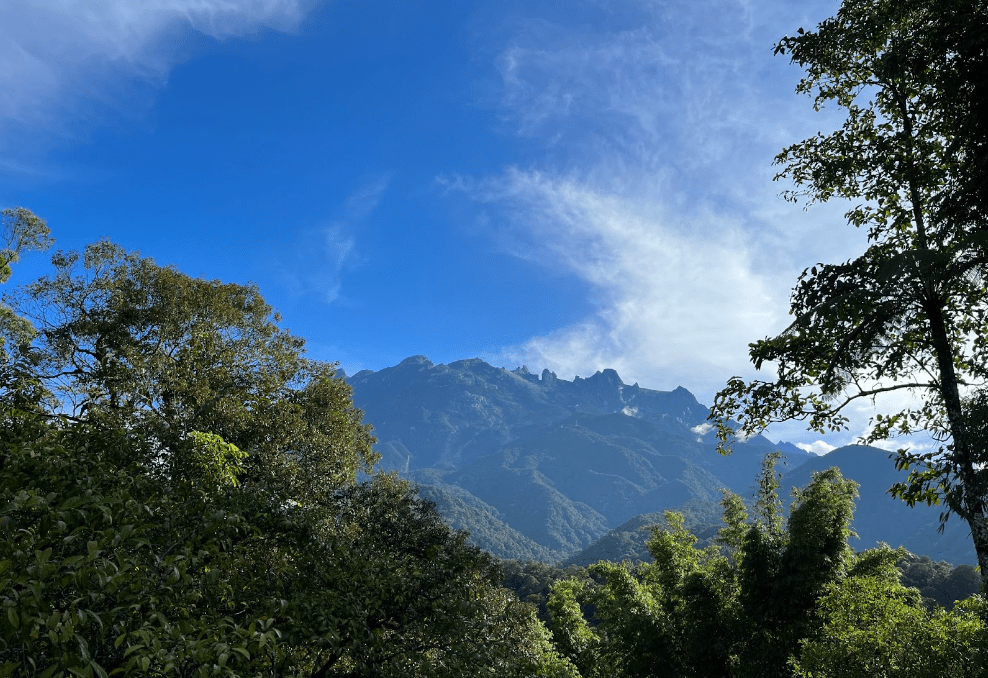
ESS 3.1.3 Why Conserving Biodiversity?
Learning Objectives Levels of Understanding In both cases, accurate biodiversity data helps in: Global level Regional level Effective Management Strategies to Conserve Biodiversity Introduction Mt. Kinabalu, 4095m [Case Study] The Bornean Birdwing Butterfly In sum, Mt. Kinabalu is a home for 711 documented species of orchids, 621 species of ferns, 27 species of Rhododendrons, 9…
-
ESS 3.1.2 Evolution and Speciation
Learning Objectives Part 1: Evolution and Natural Selection Evolution Natural Selection Part 2: Speciation Speciation leads to reproductive isolation Notes Question 1 Outline the factors that contribute to total biodiversity of an ecosystem Question 2 Distinguish between species diversity and species richness. Question 3 Outline what high and low values of the Simpson reciprocal index…
-

ESS 3.1.1 Defining Biodiversity
Learning Objectives Part 1: Biodiversity Definition Definition of Biodiversity Diversity is a measure of both the number of species in an area and their relative abundance. Biodiversity is the total diversity of living systems and exists at several levels. It is a result of habitat diversity, species diversity and genetic diversity Mt. Kinabalu is located in…
![ESS 3.3.3 [Case Study] IUCN Status of Bornean Orangutans](https://mypytrclass.com/wp-content/uploads/2025/02/image-20.png?w=1024)
 PYTR Class