
Category: ESS 3.1 Biodiversity and Evolution
-
![ESS 3.1.5 [AHL] Mass Extinction and Anthropocene](https://mypytrclass.com/wp-content/uploads/2025/05/image-11.png?w=1024)
ESS 3.1.5 [AHL] Mass Extinction and Anthropocene
Learning Objectives Part 1: Eons and Epochs The geological timescale is divided into eons, which are further classified into eras periods and epochs Key terminologies Part 2: Mass Extinction Events The Ordovician–Silurian extinction 439 mil years ago The Late Devonian extinction 364 mil years ago The Permian–Triassic extinction 251 mil years ago The End Triassic…
-
![ESS 3.1.4 [AHL] Reproductive Isolation & Artificial Selection](https://mypytrclass.com/wp-content/uploads/2025/05/image-10.png?w=1024)
ESS 3.1.4 [AHL] Reproductive Isolation & Artificial Selection
Learning Objectives Part 1: Sources of Genetic Variations Prior Knowledge on Terminologies: Phenotype Genotype and genes Allele Part 2: Isolations and Speciation Reproductive Isolation Plate Tectonic Movements Result in Geographical Isolation Other Isolations Human Impact on Evolution For example: Tuskless Elephants in Gorongosa, Mozambique Part 3: Artificial Selection Selective breeding works in the following way…
-
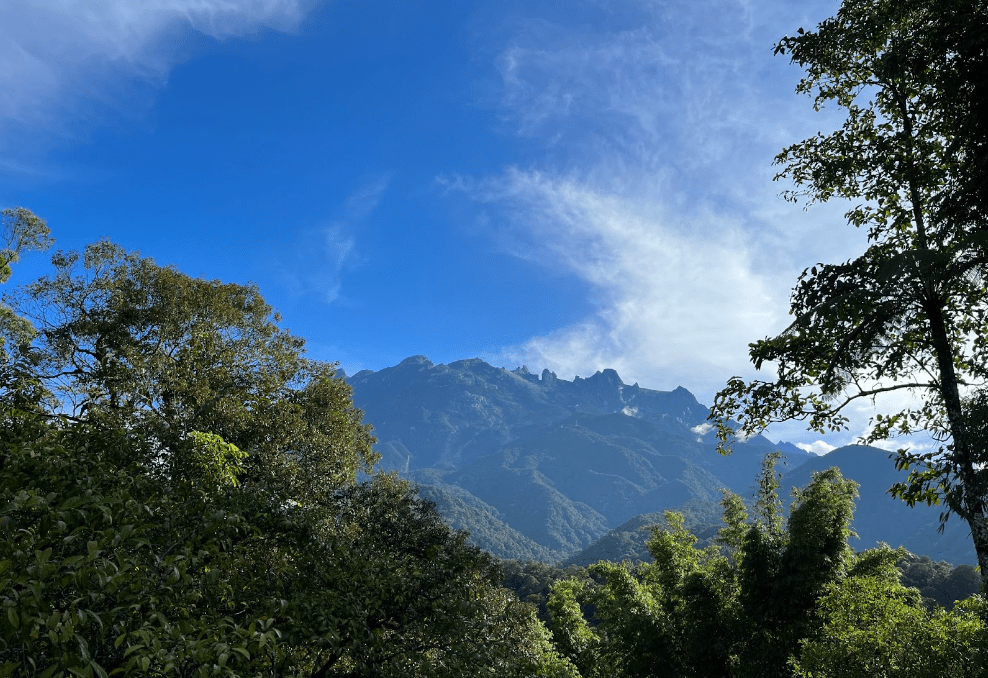
ESS 3.1.3 Why Conserving Biodiversity?
Learning Objectives Levels of Understanding In both cases, accurate biodiversity data helps in: Global level Regional level Effective Management Strategies to Conserve Biodiversity Introduction Mt. Kinabalu, 4095m [Case Study] The Bornean Birdwing Butterfly In sum, Mt. Kinabalu is a home for 711 documented species of orchids, 621 species of ferns, 27 species of Rhododendrons, 9…
-
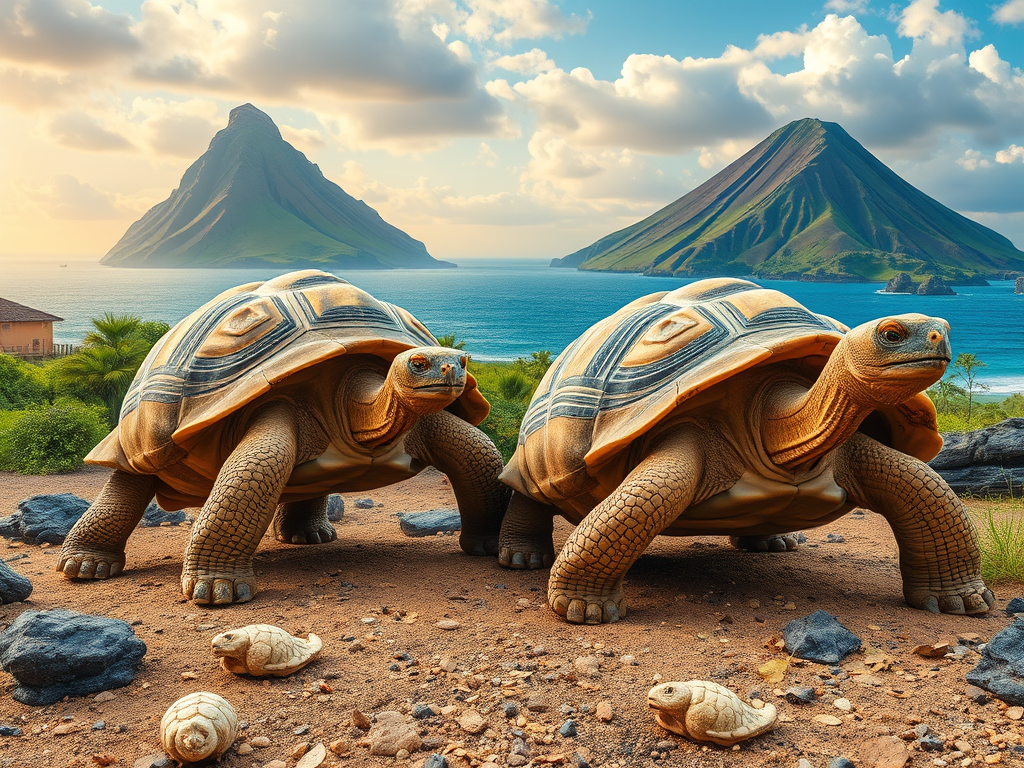
ESS 3.1.2 Evolution and Speciation
Learning Objectives Part 1: Evolution and Natural Selection Evolution Natural Selection Part 2: Speciation Speciation leads to reproductive isolation Notes Question 1 Outline the factors that contribute to total biodiversity of an ecosystem Question 2 Distinguish between species diversity and species richness. Question 3 Outline what high and low values of the Simpson reciprocal index…
-

ESS 3.1.1 Defining Biodiversity
Learning Objectives Part 1: Biodiversity Definition Definition of Biodiversity Diversity is a measure of both the number of species in an area and their relative abundance. Biodiversity is the total diversity of living systems and exists at several levels. It is a result of habitat diversity, species diversity and genetic diversity Mt. Kinabalu is located in…
 PYTR Class