
Category: ESS 4.2 Access, Uses and Scarcity
-
![ESS 4.2.4 [AHL] Measure of Water Use and Sustainability](https://mypytrclass.com/wp-content/uploads/2025/03/image-12.png?w=1024)
ESS 4.2.4 [AHL] Measure of Water Use and Sustainability
Learning Objectives Part 1: Water Footprint Water Footprint: A Measure of Water Use and Sustainability Global Water Footprint Statistics Challenges and Misinterpretations of Water Footprint Part 2: The Roles of Citizen Science in Water Systems Citizen Science and Water Quality Monitoring Example: Citizen Science in Killarney, Ireland Relevance to Global Water Quality Monitoring Findings from…
-
![ESS 4.2 [AHL] Uneven Access and Sanitation](https://mypytrclass.com/wp-content/uploads/2025/03/image-11.png?w=1024)
ESS 4.2 [AHL] Uneven Access and Sanitation
Unequal access to clean water and sanitation poses risks to human health and sustainable development, disproportionately affecting marginalised groups like Indigenous communities and low-income households. Water and Sanitation Challenges in South Africa Household Access to Water Household Access to Sanitation Inequality in Water and Sanitation Access Historical and Racial Disparities Provincial Disparities – Eastern Cape
-
![ESS 4.2 [AHL] The Need for Desalination](https://mypytrclass.com/wp-content/uploads/2025/03/image-10.png?w=1024)
ESS 4.2 [AHL] The Need for Desalination
Water Crisis in the Arab World: The Rising Dependence on Desalination The Arab world faces a critical water scarcity crisis, with limited freshwater resources to support its growing population of 400 million. As a result, desalination has become a lifeline for many countries in the region, despite its heavy dependence on fossil fuels and significant…
-
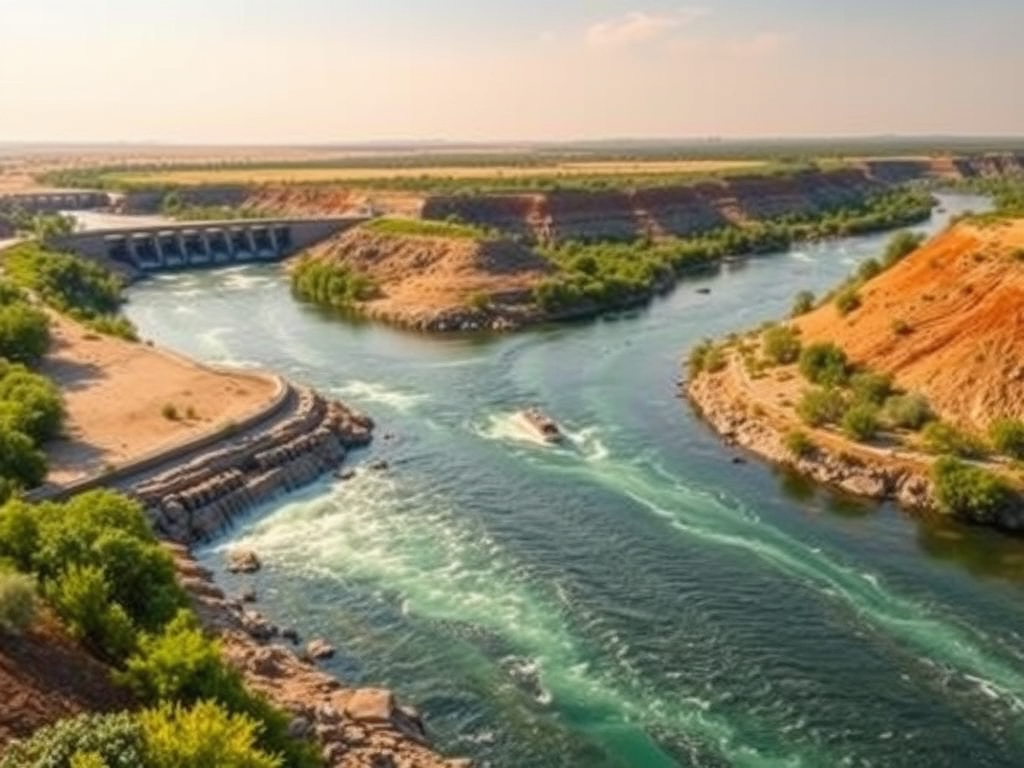
ESS 4.2.3 Water Stress
Learning Objectives Part 1: Global Water Stress Part 2: Addressing Water Stress at an Industrial Level Water stress can be managed at an industrial level through various strategies, each with its own advantages and disadvantages. Dams One of the most common methods is the construction of dams, which are barriers built across rivers or valleys…
-

ESS 4.2.2 Water Scarcity and Conservation
Learning Objectives Part 1: Water Scarcity Part 2: Domestic Conservation Part 3: Industrial Conservation Greenhouses Water recycling in greenhouses is common, but the extent varies based on size. Example – Metrolina Greenhouses in Huntersville, North Carolina, USA Aquaponics Aquaponics combines aquaculture (raising aquatic animals like fish or prawns in tanks) with hydroponic farming (growing plants…
-
![ESS 4.2.3 [AHL] Water Stress](https://mypytrclass.com/wp-content/uploads/2025/03/image-7.png?w=1024)
ESS 4.2.3 [AHL] Water Stress
Learning Objectives Part 1: Global Water Stress Part 2: Factors Increasing Water Stress Human Factors Natural Factors The causes of increasing water stress vary depending on the socioeconomic context: Other contributing factors include: Case Study: Water Stress and the Indian Textile Industry Part 3: Transboundary Dispute River or Aquifer Countries Involved in the Dispute Subject…
-
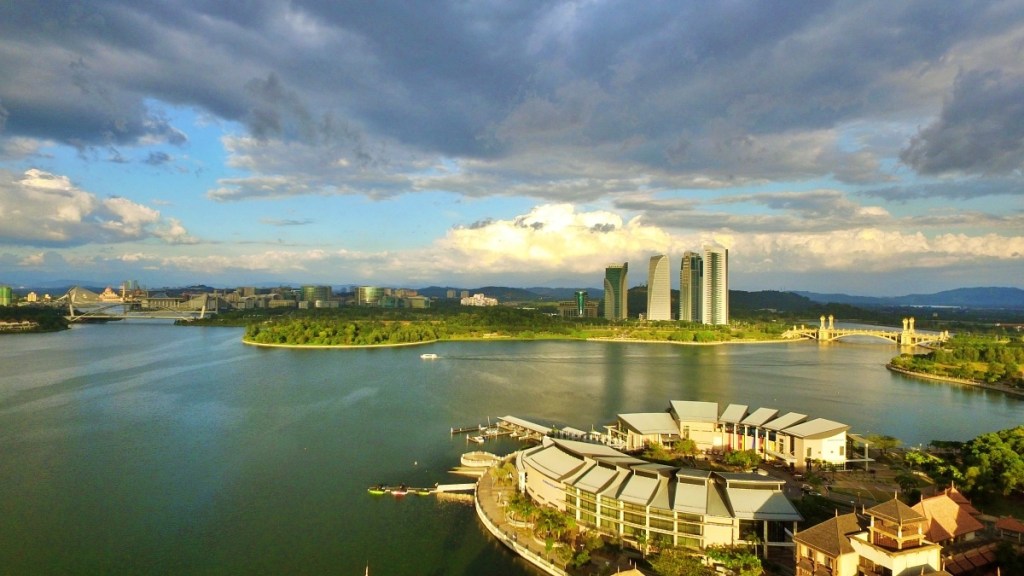
ESS 4.2.1 Water Access and Uses
Learning Objectives Part 1: Water Security Part 2: Factors of Freshwater Availability & Access Social Factors Economic Factors Cultural Factors Political Factors Part 3: How We Use Water General Use of Water Unsustainable Demands Future Water Scarcity Trends Water Consumption by Region Key Factors Driving Increased Water Demand Based on the above projection, Part 4:…
 PYTR Class