
Category: ESS 4.3 Aquatic Food Production Systems
-
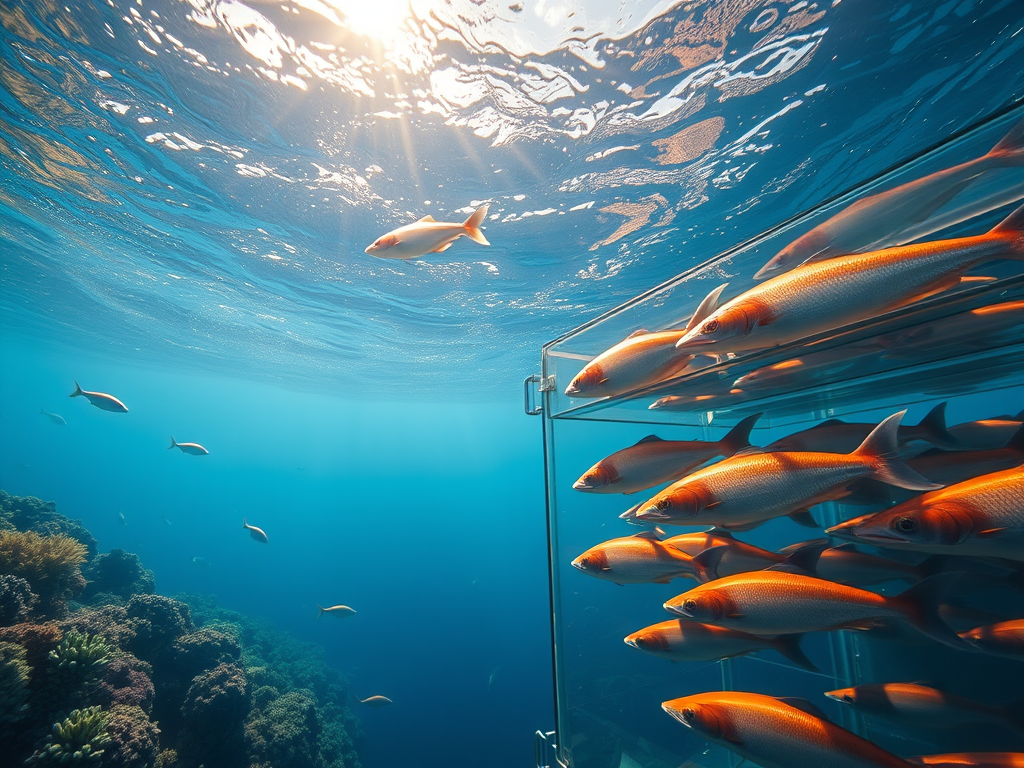
ESS 4.3.5 Protected Marine and Aquaculture
Learning Objectives Part 1: Protected Marine Areas Part 2: Aquaculture Expansion and Purpose of Aquaculture Key Species and Market Information Economic and Production Characteristics Environmental Impacts Environmental and Energy Costs Benefits of Aquaculture Mitigation Strategies
-
![ESS 4.3.4 [AHL] EEZ and Biorights](https://mypytrclass.com/wp-content/uploads/2025/04/whaling.png?w=1024)
ESS 4.3.4 [AHL] EEZ and Biorights
Learning Objectives Part 1: Exclusive Economic Zone, EEZ Key Information of EEZ Disputes and Surveys of EEZ Part 2: Animal rights and Indigenous hunters Historical Whaling – In the late 1930s, over 50,000 whales were killed annually. Part 3: Whaling Case Studies
-
![ESS 4.3.3 [AHL] Monitoring the Sustainability of The Aquatic Food Production Systems](https://mypytrclass.com/wp-content/uploads/2025/04/monitoring-sustainability-of-food-production-systems-in-terms-of-stocks.png?w=1024)
ESS 4.3.3 [AHL] Monitoring the Sustainability of The Aquatic Food Production Systems
Learning Objectives Part 1: Productivity, Thermal Stratification, Nutrient Mixing and Nutrient Loading Ocean Productivity and Photosynthesis Light and Photosynthesis in the Ocean Ocean Layers and Mixing Nutrients and Productivity Geographic and Seasonal Variations in Productivity Part 2: Assessment of Fish Stocks and Monitoring of Harvest Rates Assessment of Fish Stocks and Monitoring of Harvest Rates…
-

ESS 4.3.2 Sustainability of Aquatic Food Production Systems
Learning Objectives Part 1: Unsustainable Harvesting The rising global demand for seafood has driven the adoption of unsustainable fishing practices, leading to overexploitation of marine resources. These harmful methods include bottom trawling, ghost fishing, and the use of poisons and explosives. Bottom TrawlingBottom trawling involves dragging a net across the ocean floor. There are two…
-
ESS 4.3.1 Productivity of Aquatic Systems
Learning Objectives Part 1: Aquatic Producers Phytoplankton Aquaculture Macrophytes (Aquatic Plants) Part 2: [AHL] Thermal Stratification and Nutrient Cycling Production Rates of Productivity Geographic and Seasonal Variations in Productivity Part 3: How we consume aquatic food? Fauna (Animals in Aquatic Food Production) Flora (Aquatic Plants & Seaweed Use) Rising Demand for Aquatic Foods
 PYTR Class