
Category: ESS 7.3 Solid Waste
-
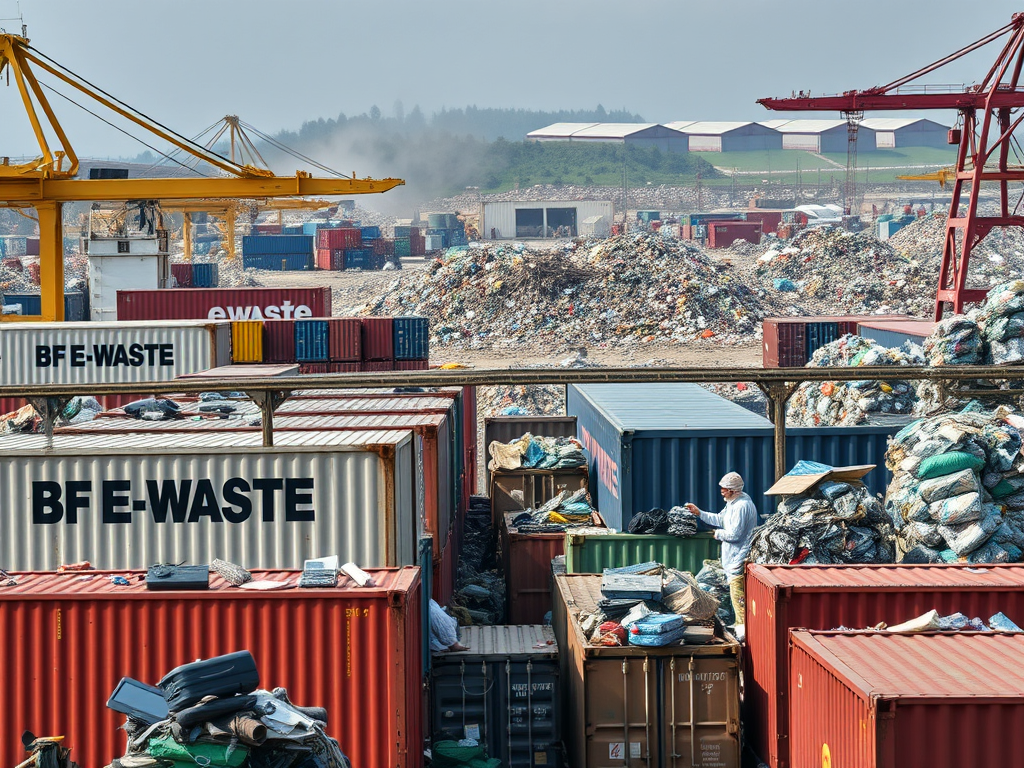
ESS 7.3.4 Waste Trade and Circular Economy in Managing SDW
Learning Objectives Waste Trade International Trade in Waste Despite appearing counterintuitive, large volumes of waste—most commonly plastics, recyclable materials, electronic waste (e-waste), and hazardous waste—are traded internationally. For example, shipments of recyclable materials within the European Union have increased by more than 70% since 2000. The export of plastic waste is considered a significant driver…
-

ESS 7.3.3 Disposing SDW
Learning Objectives Incineration Incinerators operate at very high temperatures, often reaching up to 2,000°C. In some systems, waste is pre-sorted to remove non-combustible or recyclable materials prior to combustion. The heat generated during the process is frequently used to produce steam for electricity generation or to provide direct heating for buildings, a practice commonly referred…
-
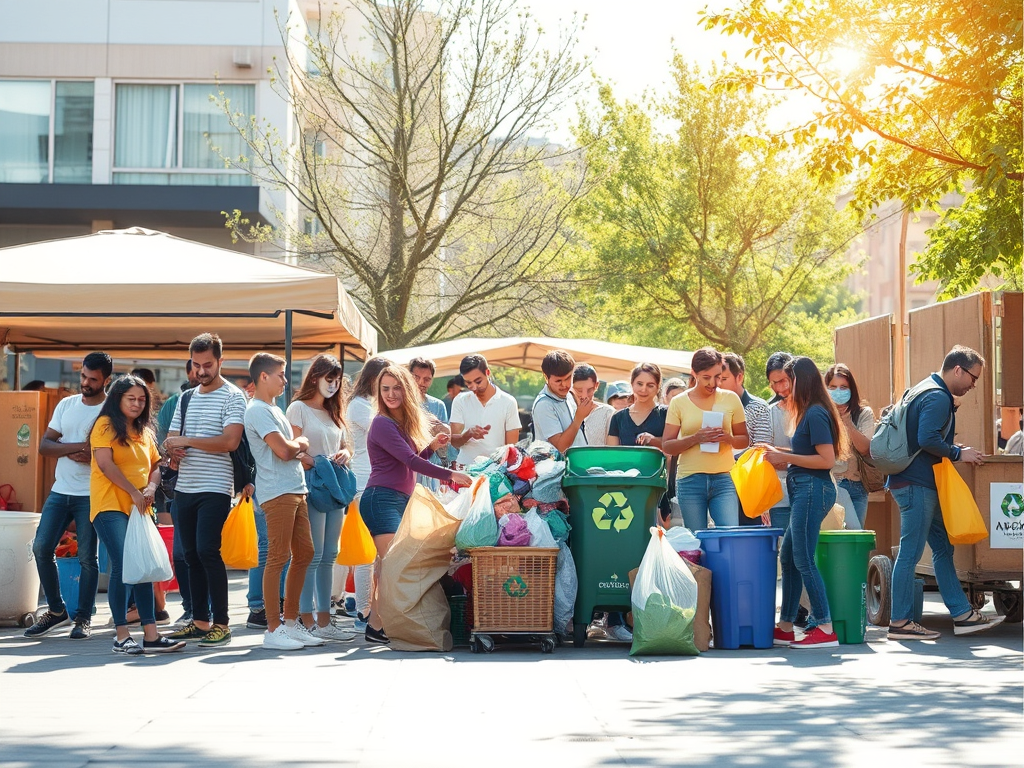
ESS 7.3.2 Minimising SDW Strategies
Learning Objectives Minimising SDW Strategies Prevention and reduce consumption Preventing waste is the most effective strategy because it eliminates pollution at the source, as demonstrated by Japan’s packaging-minimisation policies and the EU’s single-use plastics restrictions (European Commission, 2019). Its key success lies in reducing resource extraction and emissions; however, its limitations include dependence on long-term…
-
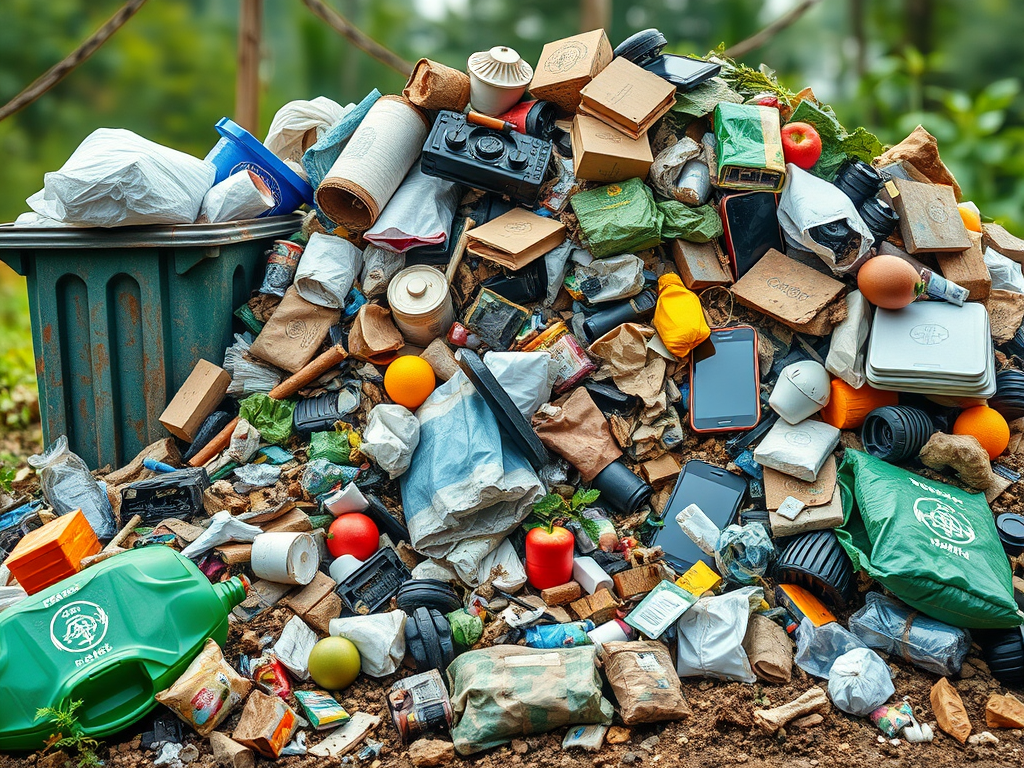
ESS 7.3.1 Solid Domestic Waste
Learning Objectives Composition & Volume of Solid Waste Composition of Waste The composition of solid domestic waste varies spatially and temporally. Global averages conceal important differences between countries. For example, while India produces nearly 50 million metric tonnes more food waste than the United States, the per capita figures differ: the United States generates 59…
 PYTR Class