
Category: ESS 8.3 Urban Air Pollution
-

ESS 8.3.3 Management of Urban Air Pollution
Learning Objectives General Management Strategies A range of management and intervention strategies can be employed to mitigate urban air pollution at different scales. These strategies may target various sources of pollution and are associated with distinct advantages and limitations. Broadly, air pollution management can be approached in two principal ways: modifying the human activities that…
-

ESS 8.3.2 Acid Deposition
Learning Objectives What is Acid Deposition? Acid Deposition Acid deposition, commonly known as acid rain, refers to all forms of precipitation that contain acidic components such as sulfuric or nitric acid. It encompasses two main forms: Acidity and the pH Scale Acids are chemical substances capable of releasing hydrogen ions (H⁺) in solution. Acidity is…
-
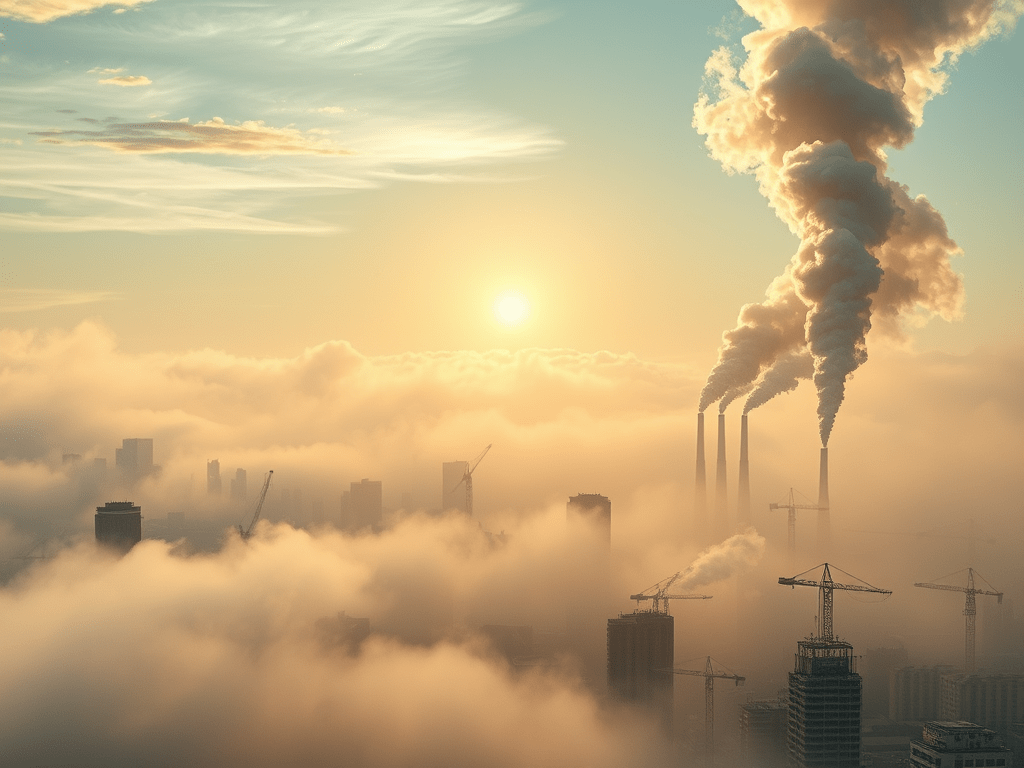
ESS 8.3.1 Urban Air Pollution
Learning Objectives Facts About Air Pollution Air pollution refers to the contamination of indoor or outdoor environments by chemical, physical, or biological agents that alter the natural composition of the atmosphere. A major component of air pollution is particulate matter (PM), consisting of extremely small solid or liquid particles suspended in the air. Pollutants originate…
-
![ESS 8.3.4 [AHL] Photochemical Smogs and Tropospheric Ozone](https://mypytrclass.com/wp-content/uploads/2025/12/image-1.png?w=1024)
ESS 8.3.4 [AHL] Photochemical Smogs and Tropospheric Ozone
Learning Objectives Photochemical Smog Photochemical smog is a brownish atmospheric haze frequently observed in urban environments. It forms when ozone, nitrogen oxides, and volatile organic compounds (VOCs) derived from the combustion of fossil fuels undergo photochemical reactions in sunlight, producing a toxic mixture that includes ozone, nitric acid, aldehydes, and peroxyacyl nitrates (PANs). Although primarily…
 PYTR Class