
Learning Objectives
- Outline the meaning of water stress in comparison to water scarcity
- Outline the factors that increase water stress in a region
- Describe water stress involving transboundary disputes
Part 1: Global Water Stress
- Water stress is a measure of water supply limitations, similar to water scarcity.
- Water stress is defined as a supply of less than 1700 m3 per year per capita of clean, accessible water.
- It considers not just availability but also:
- Water quality
- Environmental flows
- Accessibility
- A region with an ample water supply may still experience water stress due to low water quality.
- Water stress refers to the inability to meet human and ecological demands for water.
- It occurs when the demand for safe, usable water exceeds supply.
- Water scarcity, in contrast, refers specifically to a lack of abundant water supply.
Part 2: Addressing Water Stress at an Industrial Level
Water stress can be managed at an industrial level through various strategies, each with its own advantages and disadvantages.
Dams
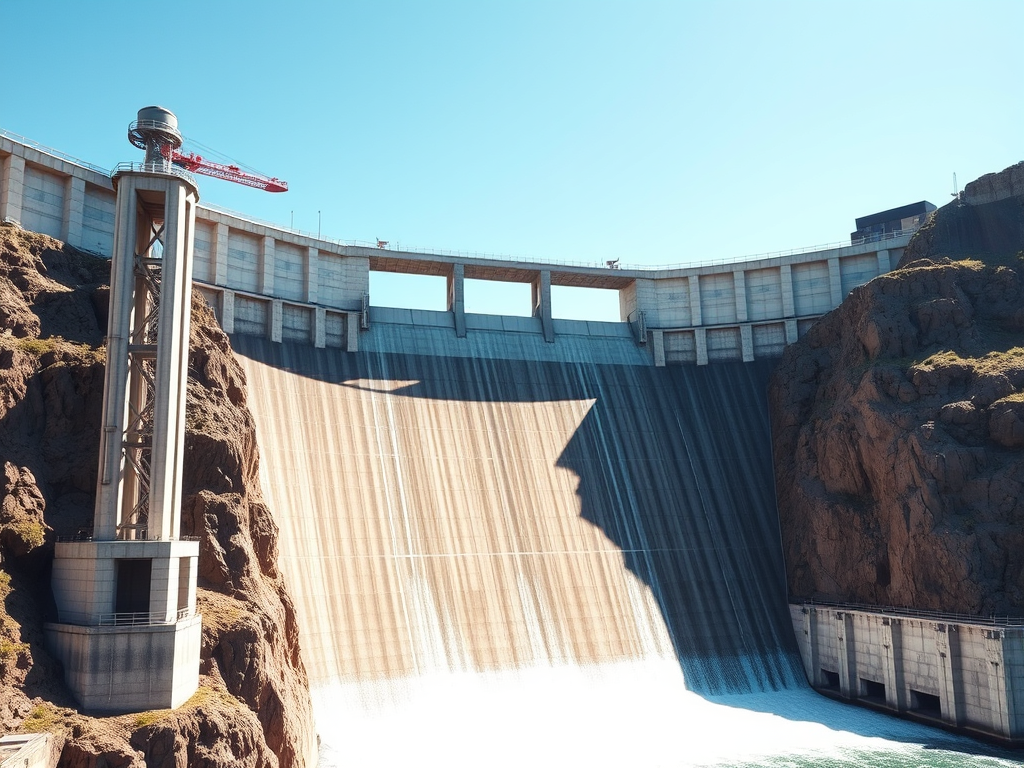
One of the most common methods is the construction of dams, which are barriers built across rivers or valleys to store water in reservoirs. Dams can be made from earth, clay, concrete, or steel and serve multiple purposes, including irrigation, hydroelectric power, fishing, transport, tourism, and water sports. However, they also have significant downsides. They can trap silt, reducing soil fertility, and create conditions conducive to diseases such as malaria and schistosomiasis. Additionally, dams often lead to displacement due to flooding, can trigger earthquakes, and require high construction costs.
Water Transfer
Another approach is water transfer, which involves moving water from areas of surplus to regions experiencing shortages. This is done using storage facilities like dams and transfer systems such as canals and pipelines. While water transfer helps balance supply and demand, it requires expensive infrastructure and can cause ecological damage due to differences in temperature, chemical composition, and the introduction of invasive species.
Pipelines and Tankers
Pipelines and tankers are also used to distribute water. Pipelines provide a continuous and clean supply of water without exposure to external pollutants. However, they lack flexibility, as their capacity cannot be expanded after installation. Underground pipelines are difficult to monitor and repair, while surface pipelines can disrupt transportation and be visually unappealing. Tankers, on the other hand, are useful in emergencies and often supply water to shanty towns or areas affected by floods. However, their capacity is limited, and the cost of tanker-supplied water is often high for consumers.
Estuary Storage
Estuary storage, through the construction of tidal barrages, is another method used to address water stress. These structures help store water in estuaries rather than allowing it to flow into the sea. Additionally, they can contribute to the water supply network and support tidal energy generation. Despite these benefits, barrages are highly expensive, can limit boat access, and are only viable in locations with a large tidal range.
Cloud Seeding
Cloud seeding, also known as rainmaking, is a geo-engineering technique that aims to enhance rainfall by introducing particles such as silver iodide and potassium iodide into clouds to encourage condensation. While it may slightly increase rainfall or snowfall, its success is highly debated, with limited evidence proving its reliability.
Desalination

Another widely used solution is desalination, which removes salt from seawater to produce fresh drinking water. This process is particularly beneficial in regions with scarce freshwater resources, as it provides a potentially unlimited water supply. However, desalination is costly and has environmental drawbacks, particularly concerning the disposal of the highly saline brine byproduct. Solar distillation, a related technique, purifies seawater using solar energy. Although it is a low-cost method, its scalability is limited, making it unsuitable for large populations.
Dew Harvesting
Dew harvesting is a more localised water collection method that captures moisture from fog, dew, or mist using impermeable surfaces such as plastic sheets. This technique can support local agriculture and is relatively inexpensive, but it is only effective in regions with frequent fog or mist, such as coastal areas with cold ocean currents.
Water Treatment Plants
A more structured approach to providing clean water is through water treatment plants, which use a series of filtration, flocculation, and chlorination processes to purify water before distributing it to consumers. While effective in ensuring safe drinking water, these plants require costly infrastructure and regular maintenance.
Aquifers
Another important strategy is aquifer storage and recovery (ASR), which involves injecting water—such as rainwater or river water—into underground aquifers for future use. This method has been successfully implemented in regions like the USA and Australia, where stormwater runoff is stored in aquifers during wet seasons and retrieved for use in dry periods. However, a significant challenge with ASR is the risk of freshwater mixing with saline water, particularly in coastal areas.
A related approach is artificial recharge (AR), which focuses on replenishing depleted groundwater resources. Over-extraction of groundwater over decades has led to significant declines in water tables in many areas, and artificial recharge helps restore these levels. However, the process is time-consuming, and the freshwater used for recharge competes with other essential water needs.
Conclusion
Each of these industrial-scale water management strategies plays a crucial role in addressing water stress, but their effectiveness depends on regional conditions, financial feasibility, and environmental impact. The combination of multiple strategies is often necessary to ensure a sustainable and long-term solution to water shortages.
Summary
| Strategy | Description | Advantages | Disadvantages |
|---|---|---|---|
| Dams | Barriers built to store water in reservoirs | – Three Gorges Dam, China: Provides hydroelectric power and controls floods on the Yangtze River. – Hoover Dam, USA: Supplies water for irrigation and power generation. | – Aswan High Dam, Egypt: Traps silt, reducing soil fertility downstream. – Three Gorges Dam, China: Displaced over a million people and increased seismic activity. |
| Water Transfer | Moves water from surplus areas to shortage areas | – South-North Water Transfer Project, China: Transfers water from the Yangtze River to drier northern regions. – California State Water Project, USA: Provides water to Southern California cities and farms. | – Aral Sea Disaster, Central Asia: Water transfer caused the sea to shrink, leading to environmental collapse. – Colorado River Diversion, USA/Mexico: Reduced water reaching Mexico, harming ecosystems. |
| Pipelines and Tankers | Distributes water via pipelines or tankers | Pipelines: – Keita Project, Niger: Pipeline provided a stable water supply to combat desertification. – Libya’s Great Man-Made River: Transports water from aquifers to cities. Tankers: – Cape Town, South Africa: Tankers supplied water during the 2018 water crisis. | Pipelines: – India’s Water Pipeline Leaks: Frequent breakages waste large amounts of water. – Los Angeles Aqueduct, USA: Diverted water led to the drying of Owens Lake. Tankers: – Chennai, India: High cost of tanker-supplied water made it unaffordable for many residents. |
| Estuary Storage (Barrages) | Stores water in estuaries, sometimes used in supply networks | – Rance Tidal Barrage, France: Generates renewable energy while regulating water levels. | – Thames Barrier, UK: Protects against flooding but disrupts local ecosystems. |
| Cloud Seeding | Uses chemicals to enhance rainfall | – China’s Weather Modification Program: Used before the 2008 Olympics to clear pollution and increase rainfall in dry areas. | – United Arab Emirates Cloud Seeding: High costs, with unpredictable success. |
| Desalination | Removes salt from seawater to produce freshwater | – Israel’s Sorek Plant: Provides 20% of the country’s drinking water. – Saudi Arabia: Produces 50% of its drinking water through desalination. | – Carlsbad Desalination Plant, USA: High energy costs and environmental concerns over brine disposal. |
| Solar Distillation | Uses solar energy to purify seawater | – Gujarat, India: Solar stills provide fresh water to coastal villages. | – Small-Scale Use Only: Not viable for large populations. |
| Dew Harvesting | Captures water from dew, fog, and mist | – Atacama Desert, Chile: Fog nets collect water for drinking and irrigation. | – Namibia’s Fog Collection Project: Limited by inconsistent fog conditions. |
| Water Treatment Plants | Processes water to make it clean for consumption | – Singapore’s NEWater: Recycles wastewater into drinkable water. | – Flint, Michigan Water Crisis, USA: Poor maintenance led to lead contamination in drinking water. |
| Aquifer Storage and Recovery (ASR) | Injects water into aquifers for future use | – Perth, Australia: Recharges aquifers with treated stormwater. | – Florida ASR, USA: Risk of contamination and mixing with saline groundwater. |
| Artificial Recharge (AR) | Adds water to aquifers to replenish groundwater levels | – Managed Aquifer Recharge in California, USA: Helps maintain water supply during droughts. | – India’s Over-Extraction Problem: Artificial recharge struggles to keep up with excessive groundwater use. |
Activity 1
| Strategy | Description | Advantages | Disadvantages |
|---|---|---|---|
| Dams | Barriers built to store water in reservoirs | – Water storage for irrigation, hydroelectric power, transport, tourism, and water sports | – Silt accumulation – Disease spread (malaria, schistosomiasis) – Flooding of homes/farms – Can trigger earthquakes – Expensive |
| Water Transfer | Moves water from surplus areas to shortage areas | – Matches supply with demand | – High cost – Ecological damage (temperature, chemical differences, invasive species) |
| Pipelines and Tankers | Distributes water via pipelines or tankers | Pipelines: – Continuous, clean supply without exposure to pollutants Tankers: – Useful in shanty towns & disasters | Pipelines: – Inflexible capacity – Underground leaks are hard to fix – Surface pipelines disrupt transport Tankers: – Limited supply – Expensive for users |
| Estuary Storage (Barrages) | Stores water in estuaries, sometimes used in supply networks | – Harvests tidal energy – Adds water to supply network | – Expensive – Limits boat access – Few suitable sites |
| Cloud Seeding | Uses chemicals to enhance rainfall | – May increase rainfall or snowfall slightly | – Unreliable – Small impact on overall water availability |
| Desalination | Removes salt from seawater to produce freshwater | – Unlimited water supply | – High cost – Brine disposal causes environmental issues |
| Solar Distillation | Uses solar energy to purify seawater | – Low cost | – Limited scalability |
| Dew Harvesting | Captures water from dew, fog, and mist | – Supports local agriculture – Low cost | – Only feasible in areas with frequent fog/mist |
| Water Treatment Plants | Processes water to make it clean for consumption | – Provides clean water through multiple purification steps | – Requires infrastructure and maintenance |
| Aquifer Storage and Recovery (ASR) | Injects water into aquifers for future use | – Increases water availability in dry seasons | – Risk of mixing freshwater with saline water in coastal areas |
| Artificial Recharge (AR) | Adds water to aquifers to replenish groundwater levels | – Helps restore over-extracted groundwater | – Time-consuming – Competes with other water uses |
Exercise
Urbanization has had a greater effect on the quality and availability of freshwater resources than agricultural activities.
Discuss the validity of this statement.
![ESS 8.1.3 [AHL] Biocapacity and Environmental Migration](https://mypytrclass.com/wp-content/uploads/2025/12/image-4.png?w=1024)


![ESS 8.3.4 [AHL] Photochemical Smogs and Tropospheric Ozone](https://mypytrclass.com/wp-content/uploads/2025/12/image-1.png?w=1024)
 PYTR Class