Learning Objectives
- Describe the following steps in cellular respiration:
- Glycolysis
- Link Reaction
- Krebs Cycle (also known as citric acid cycle)
- Oxidative Phosphorylation
Overview of Cellular Respiration
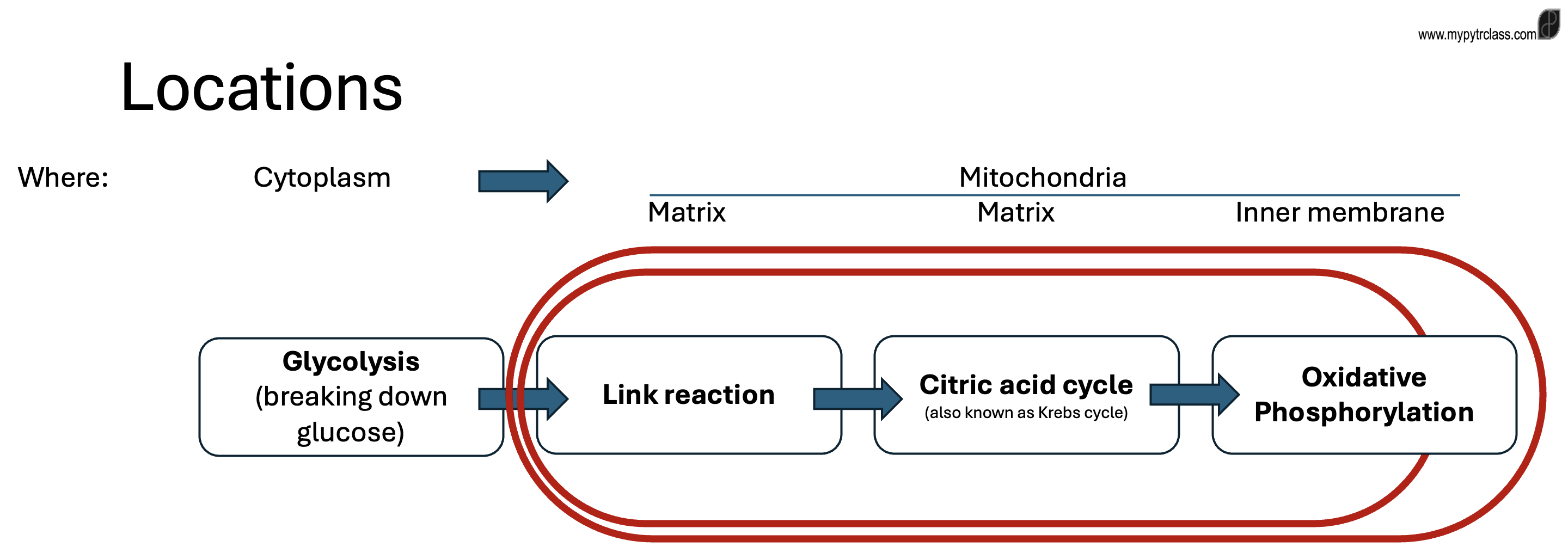
First of all, cellular respiration takes place in three main sites: glycolysis in cytoplasm, link reaction and Krebs cycle in mitochondrial matrix, and oxidative phosphorylation in (or along) the inner membrane of mitochondria.
Before continuing, it is important to understand the internal structure of the mitochondrion. During cellular respiration, the structure of the mitochondrion is closely connected to its function. The matrix is where the Krebs cycle takes place, while the cristae are folds of the inner mitochondrial membrane that provide a large surface area for the electron transport chain.
We already know respiration is a multi-step metabolic pathway. In each step, different substrate(s) and product(s) are products. Some products are used for the next step. This can be summarised as follow:
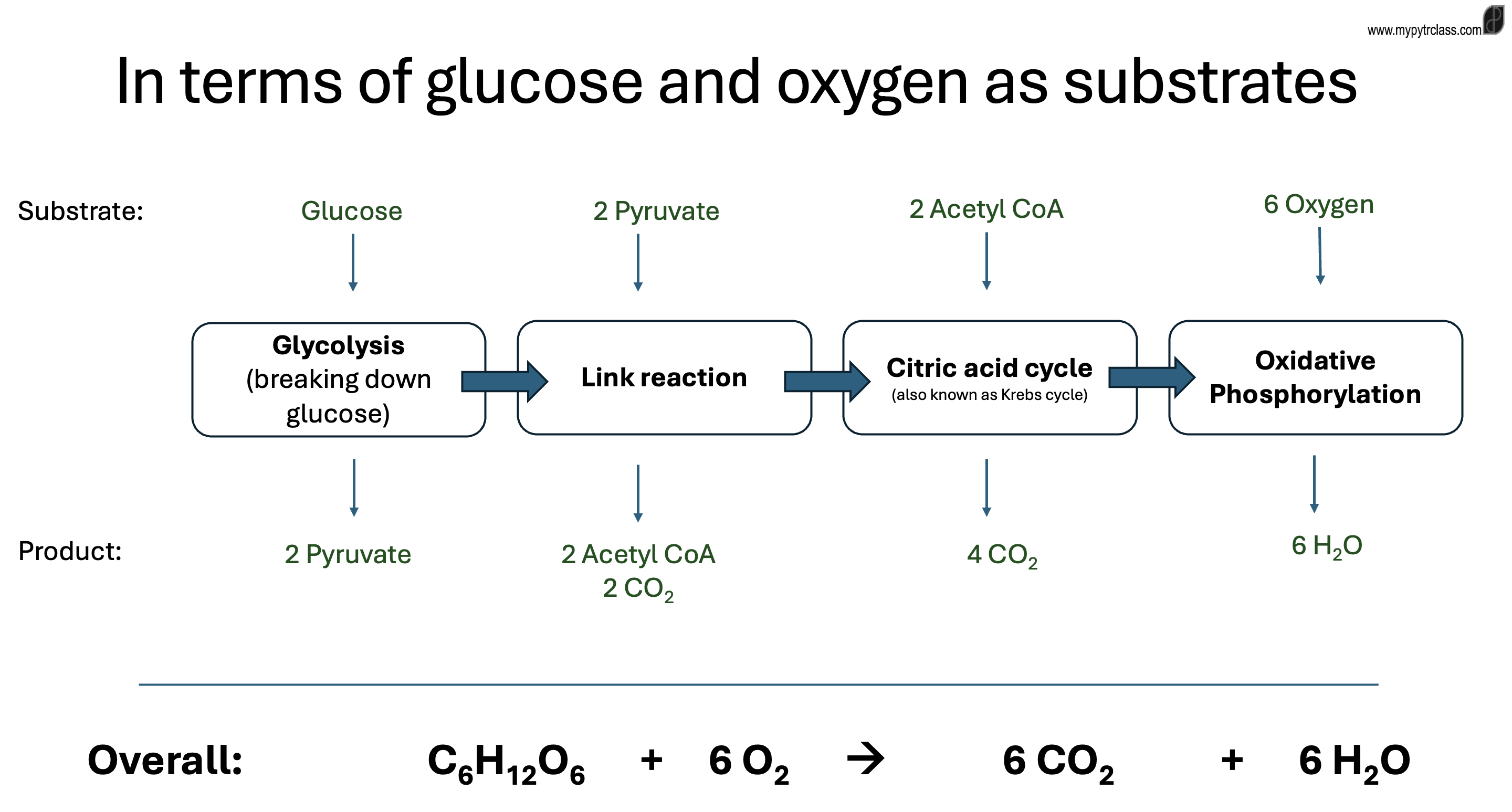
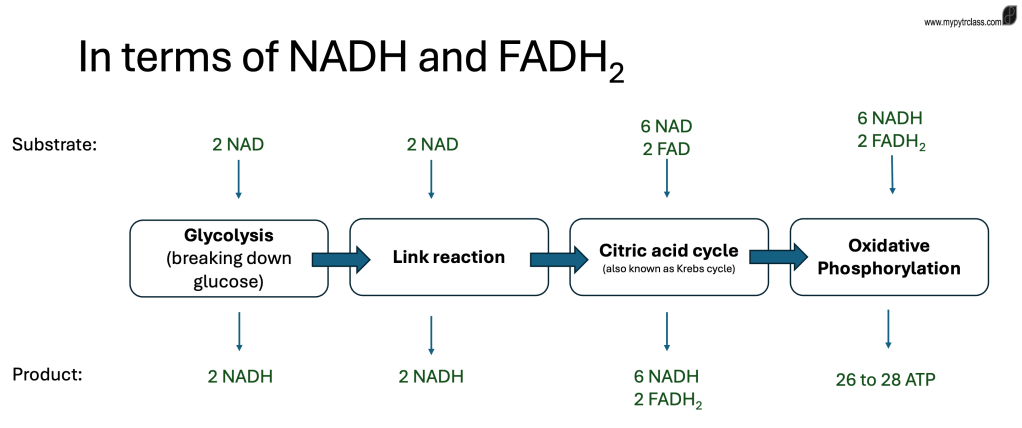
The products of glycolysis (2 molecules of pyruvate) are transported by active transport into the mitochondrial matrix, for the link reaction. The link reaction then converts pyruvate to acetyl coenzyme A (Acetyl-CoA). This then enters Krebs cycle (the citric acid cycle) to produce 4 molecules of carbon dioxide. Other by-products throughout the first three steps called NADH and FADH2 are then used in oxidative phosphorylation to produce more ATP molecules.
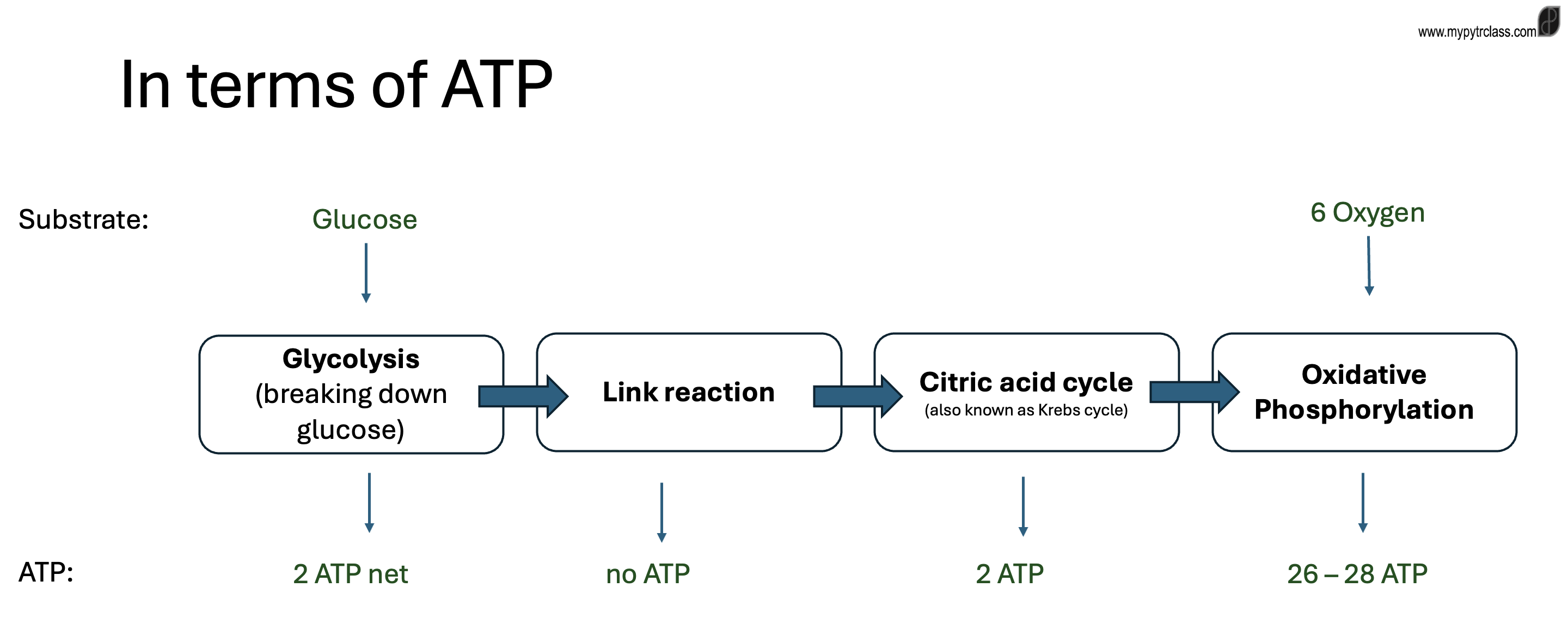
As the result, about 30 to 32 ATP molecules are produced for each glucose molecule.
Step 1: Glycolysis
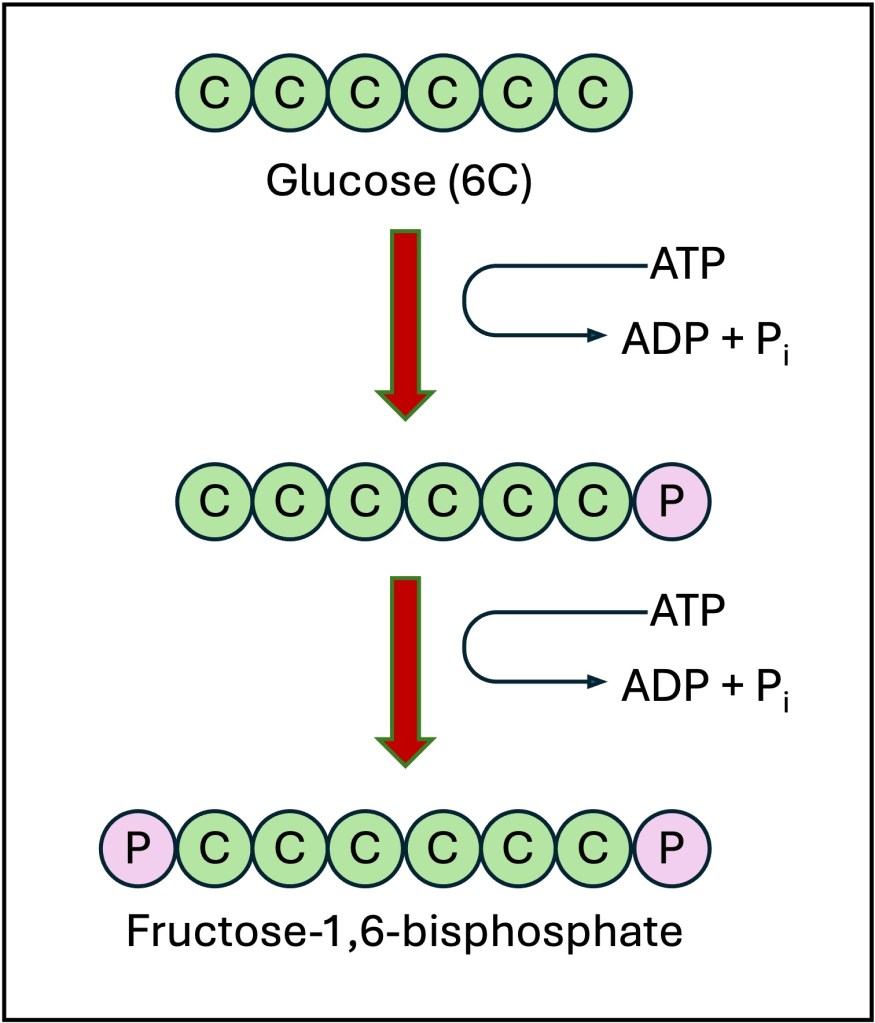
Two molecules of ATP are used to initiate glycolysis. Phosphate groups from ATP are added to glucose through a process called phosphorylation, eventually producing fructose-1,6-bisphosphate. Phosphorylation makes the molecule less stable and prepares it for breakdown.
The unstable, phosphorylated six-carbon fructose is split into two three-carbon molecules called glyceraldehyde-3-phosphate (G3P). This splitting process is called lysis.
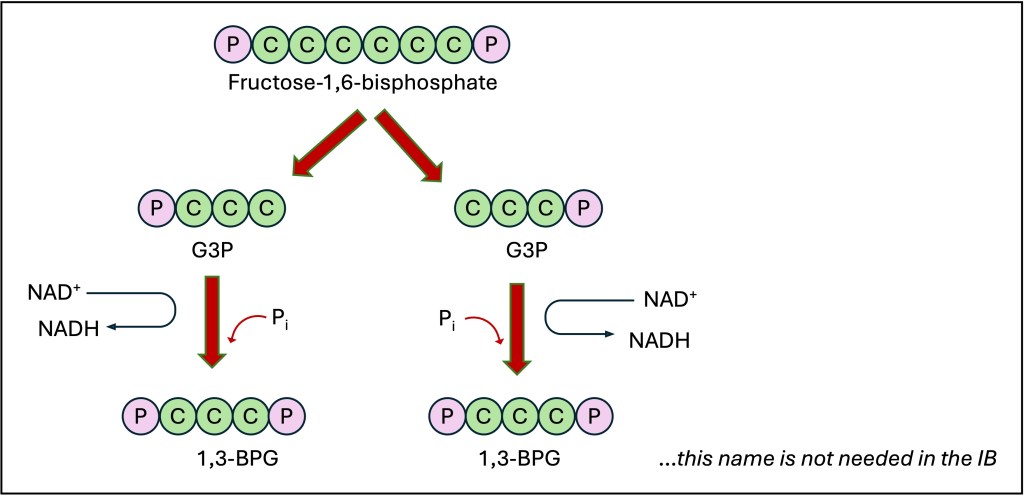
The two G3P molecules enter the energy-generating phase of glycolysis. Each G3P undergoes oxidation, during which NAD⁺ is reduced to NADH. The energy released is used to attach inorganic phosphate (Pi) to the three-carbon molecule, forming 1,3-bisphosphoglycerate or 1,3-BPG (this name is not required in the IB curriculum).
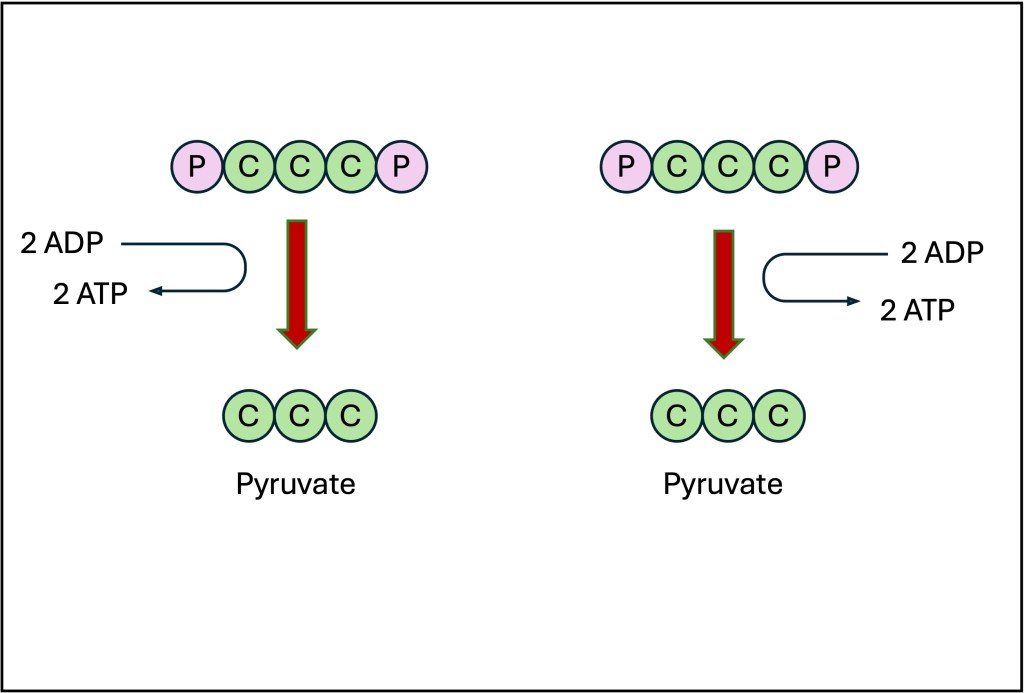
Subsequent reactions transfer these phosphate groups to ADP, producing ATP through substrate-level phosphorylation. By the end of glycolysis, each glucose molecule has produced four ATP, two NADH, and two pyruvate molecules. Pyruvate is the ionized form of pyruvic acid.
Summary
In sum, glycolysis begins with the use of two molecules of ATP. A total of four molecules of ATP are produced during the pathway, giving a net gain of two ATP molecules. Two molecules of NADH are also produced. The pathway involves several key processes, including phosphorylation, lysis, oxidation, substrate-level phosphorylation and ATP formation. Glycolysis takes place in the cytoplasm of the cell and is controlled by enzymes. When ATP levels in the cell are high, feedback inhibition inhibits the first enzyme of the pathway, which slows down or stops glycolysis. At the end of the pathway, one glucose molecule has been converted into two molecules of pyruvate.
Step 2: Link Reaction
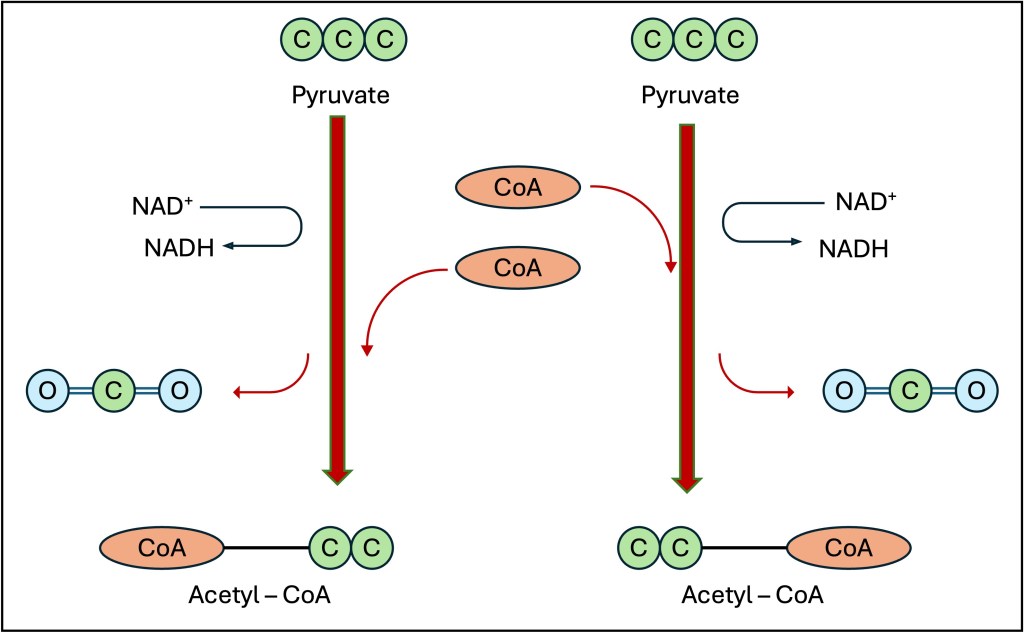
The three-carbon pyruvate molecule undergoes oxidative decarboxylation, in which carbon dioxide is removed and the molecule is simultaneously oxidised through the removal of hydrogen. During this process, NAD⁺ is reduced to NADH. The resulting product is a two-carbon acetyl group, which combines with coenzyme A to form acetyl coenzyme A (acetyl-CoA).
Step 3: Krebs Cycle
First of all, let’s look at the three main intermediates in Krebs cycle:
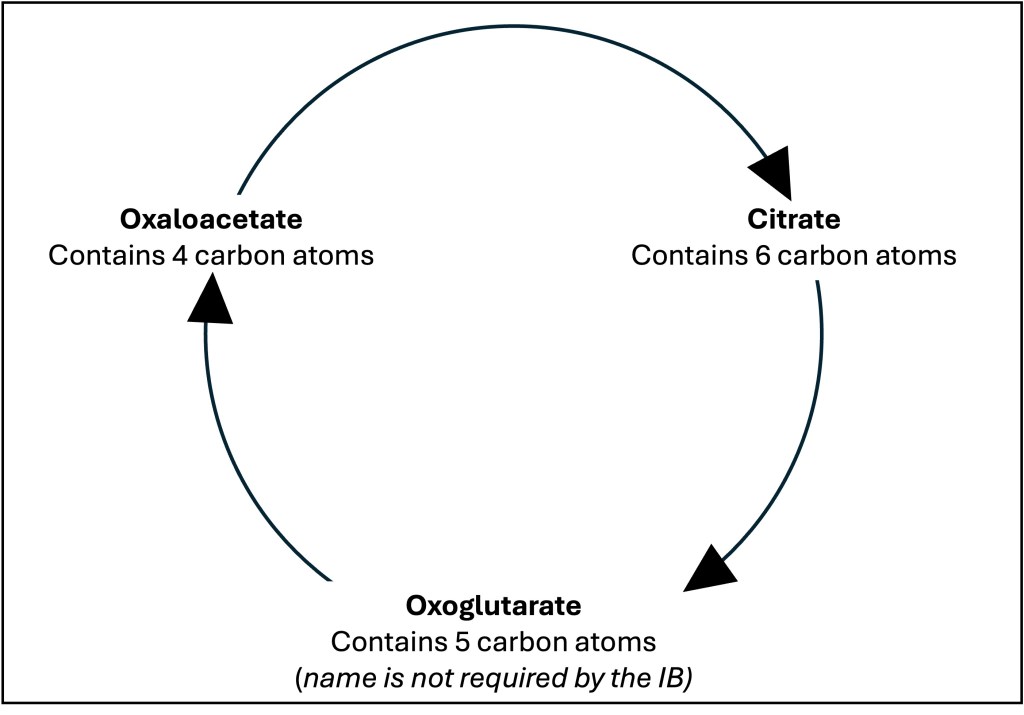
Based on the above diagram, the 4 carbon molecule (oxaloacetate) requires 2 additional carbon atoms to become a 6 carbon molecule (citrate). Then 6C undergoes decarboxylation to for 5C, and 5C undergoes another decarboxylation to form oxaloacetate again. For the IB understanding, it is better to simplify the cycle into four parts as follow:
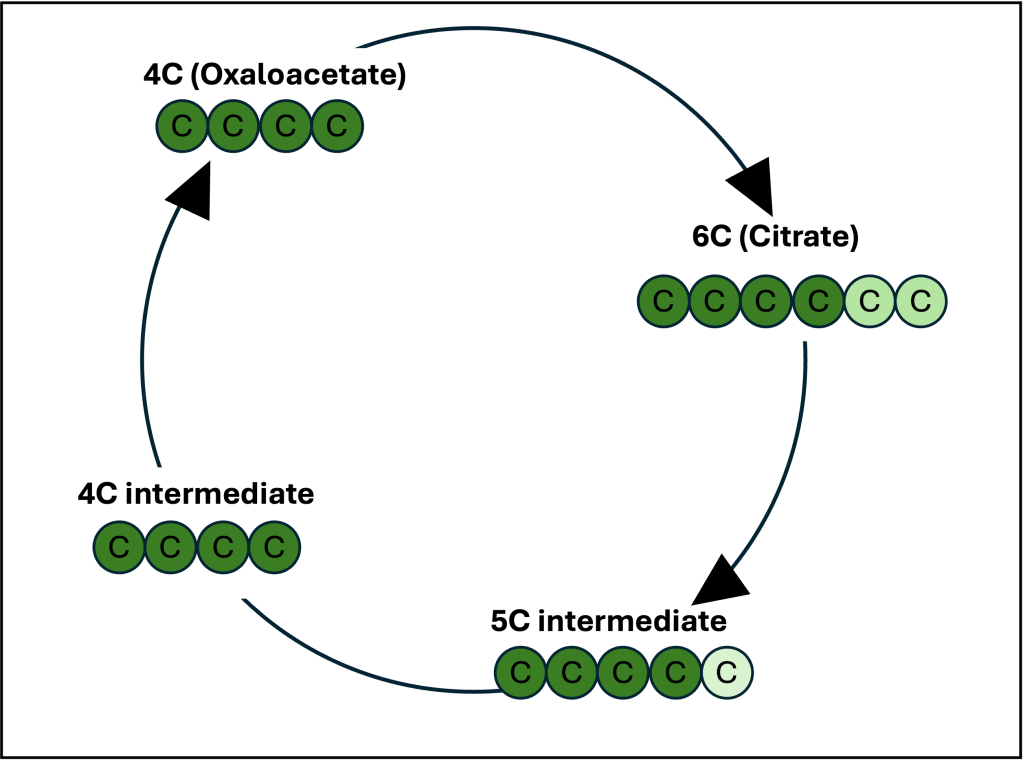
Here is the sequence of Krebs cycle from the entry of acetyl-CoA:
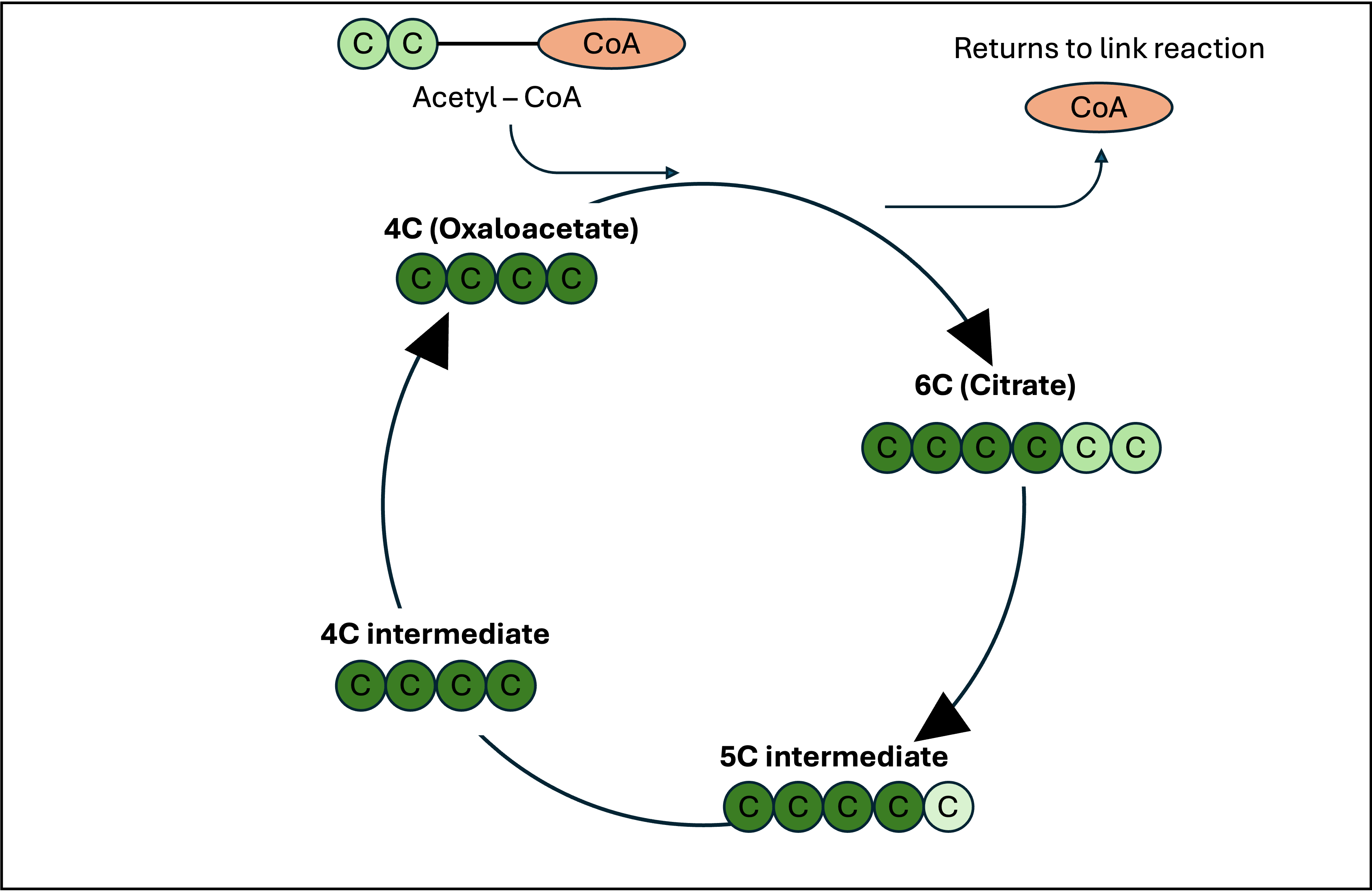
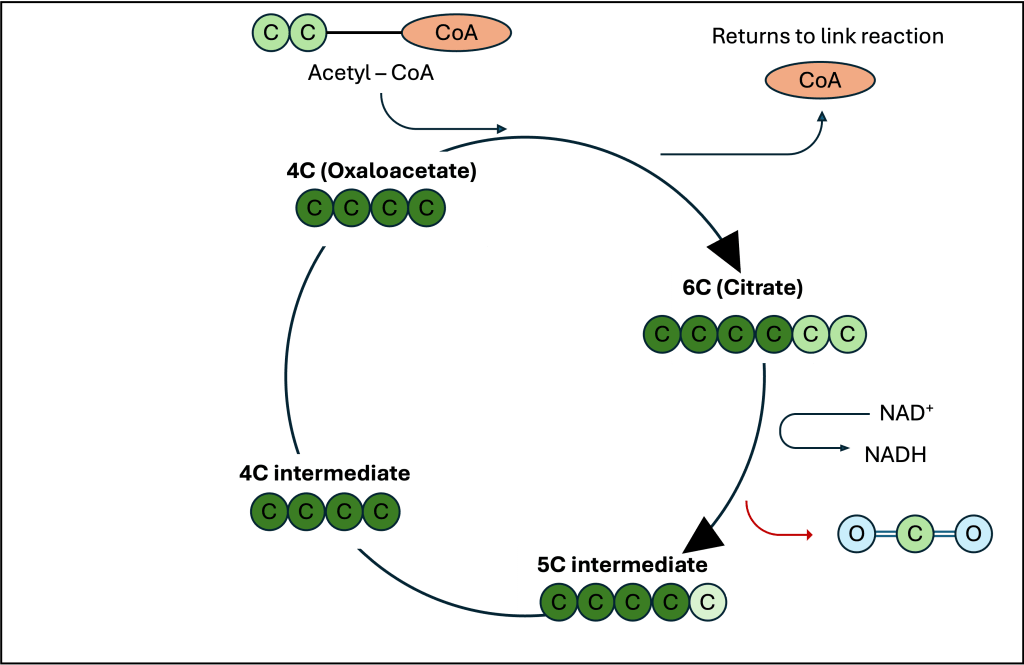
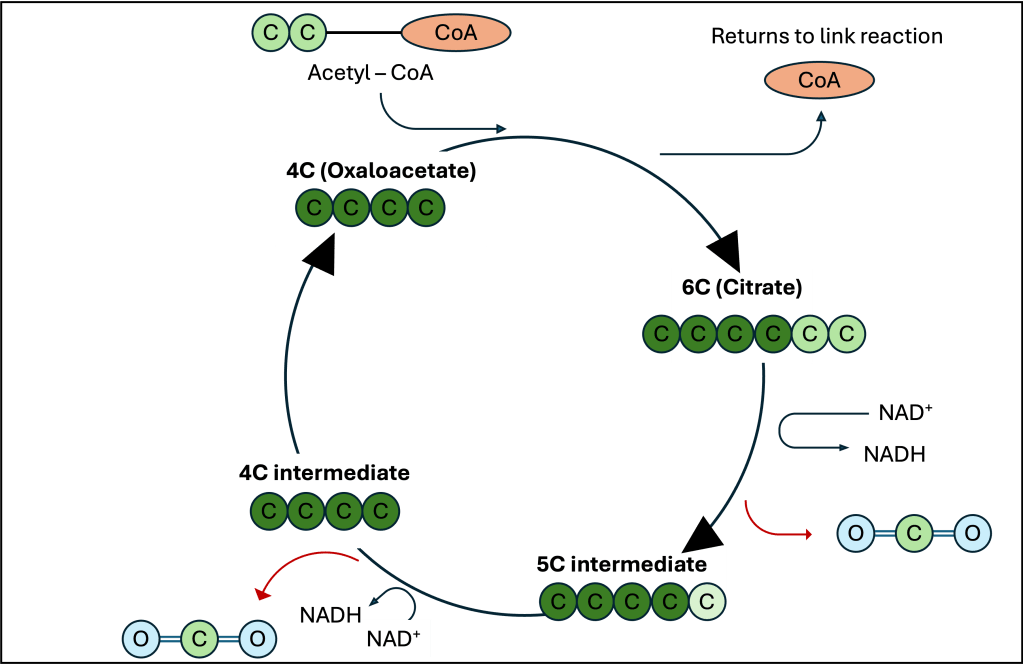
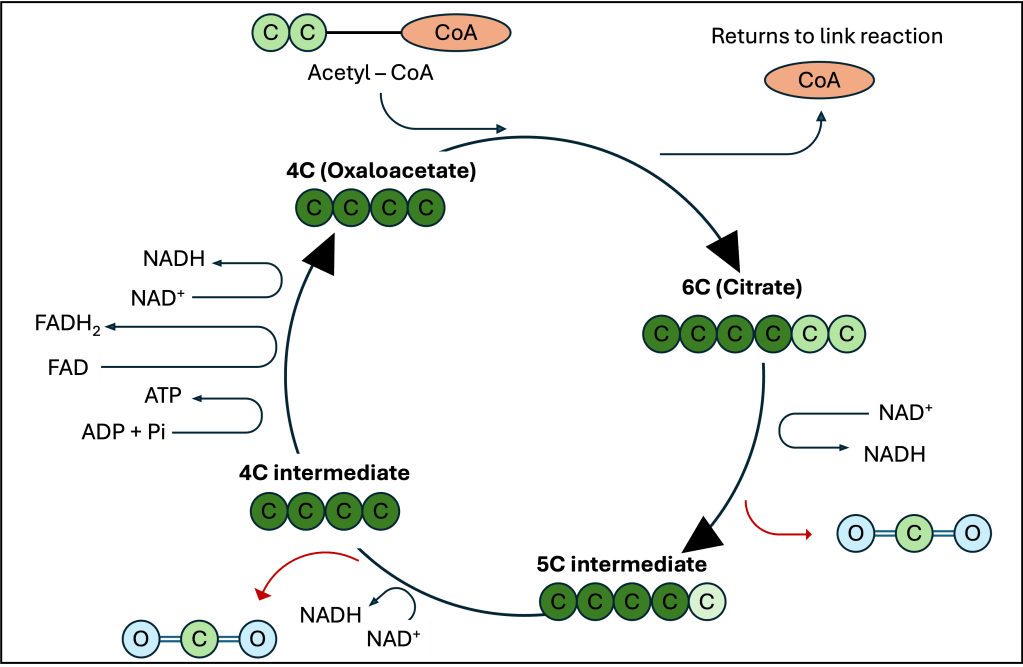
It is important to remember that the Krebs cycle occurs twice for each glucose molecule undergoing cellular respiration. This is because one glucose molecule is broken down during glycolysis to produce two pyruvate molecules. Each pyruvate is converted into one acetyl-CoA molecule during the link reaction, and each acetyl-CoA then enters the Krebs cycle. Therefore, the complete Krebs cycle runs twice for every glucose molecule.
The breakdown of one glucose molecule through the Krebs cycle produces a total of 2 ATP molecules, 6 NADH molecules, 2 FADH₂ molecules and 4 molecules of carbon dioxide, which are released as a waste product. NADH and FADH₂ act as electron carriers, storing and transferring energy to the electron transport chain.
Step 4: Oxidative Phosphorylation
From glycolysis to Krebs cycle, aerobic respiration has produced only 4 ATP molecules. In addition, there are also 10 NADH and 2 FADH2 molecules produced along the way. How do these two molecules contribute to high production of ATP? For each glucose molecule, most ATP is produced in oxidative phosphorylation. There two main stages in this step:
- Electron Transport Chain: the oxidation stage where NADH and FADH2 are oxidised.
- Chemiosmosis: the phosphorylation stage where energy from oxidation of NADH and FADH2 is used to make ATP
Both of these stages take place in (along) the inner membrane of mitochondria. Let’s take a look at the structure of the mitochondria (note that this will be further discussed in Topic 2 Cell).
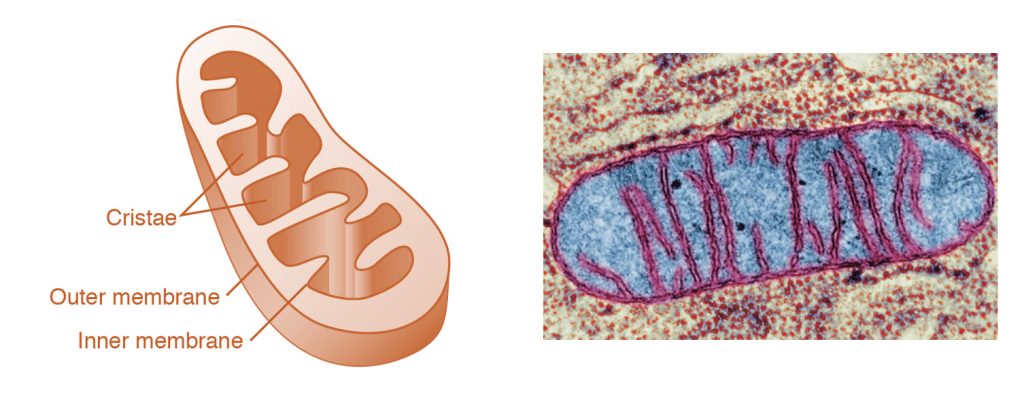
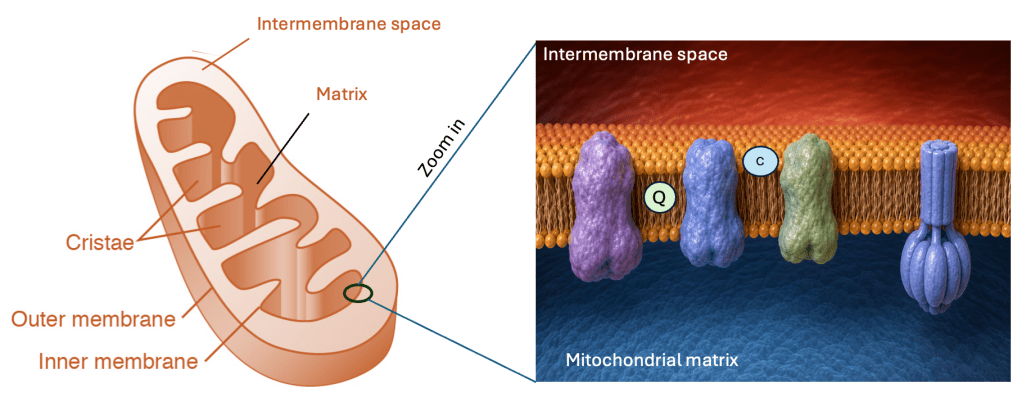
Embedded within the membranes involved in cellular respiration are molecules that can readily undergo reduction and oxidation. These molecules act as electron carriers and are positioned close to one another, allowing electrons to be transferred along the chain according to an energy gradient. Each carrier has a slightly different electronegativity and, therefore, a different attraction for electrons. Most of these electron carriers are proteins containing haem groups and are known as cytochromes. Another important electron carrier is coenzyme Q, which is not a protein.
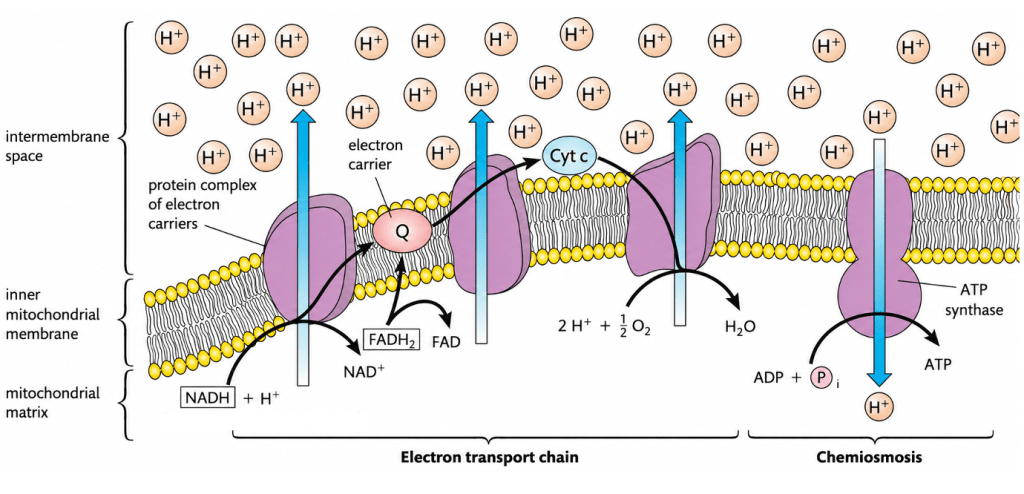
What happens during electron transport chain (ETC)
At the beginning, the is a low concentration of H+ in the matrix compared to the intermembrane space. In order for H+ to be pumped into the intermembrane space, energy is needed by the protein complexes
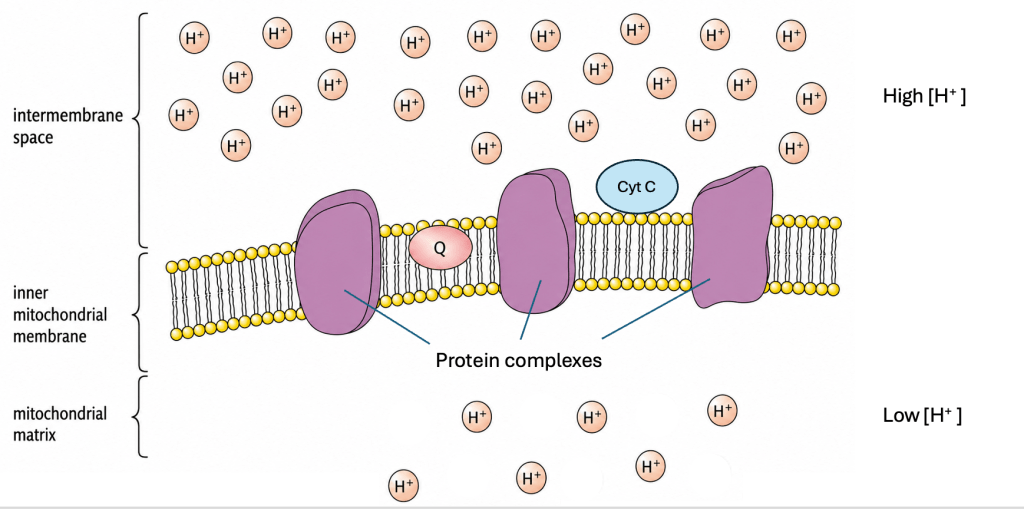
The matrix also contains NADH and FADH2, two coenzymes produced earlier in cellular respiration. These coenzymes are considered substrates in ETC. They get oxidised as follow:
NADH: NADH → NAD⁺ + H⁺ + 2e⁻
FADH₂: FADH₂ → FAD + 2H⁺ + 2e⁻
As electrons move through the electron transport chain, they are transferred from one carrier to the next because each successive carrier has a higher electronegativity and a greater attraction for electrons. As the electrons are transferred, small amounts of energy are released. The electrons entering the electron transport chain are supplied by the reduced coenzymes NADH and FADH₂, which are produced during the earlier stages of cellular respiration. These electrons (energy) enter ETC at different entry points as follow:
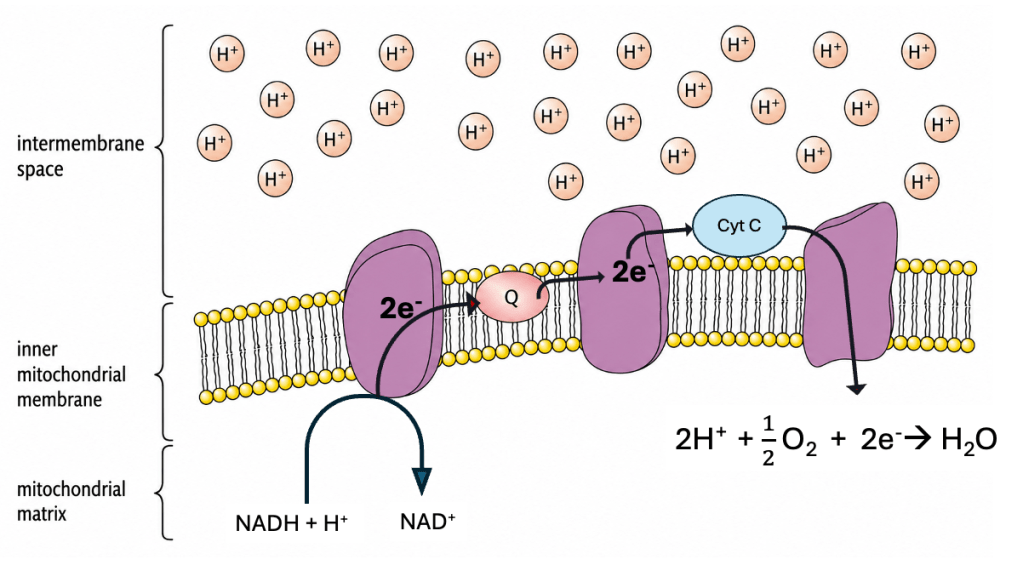
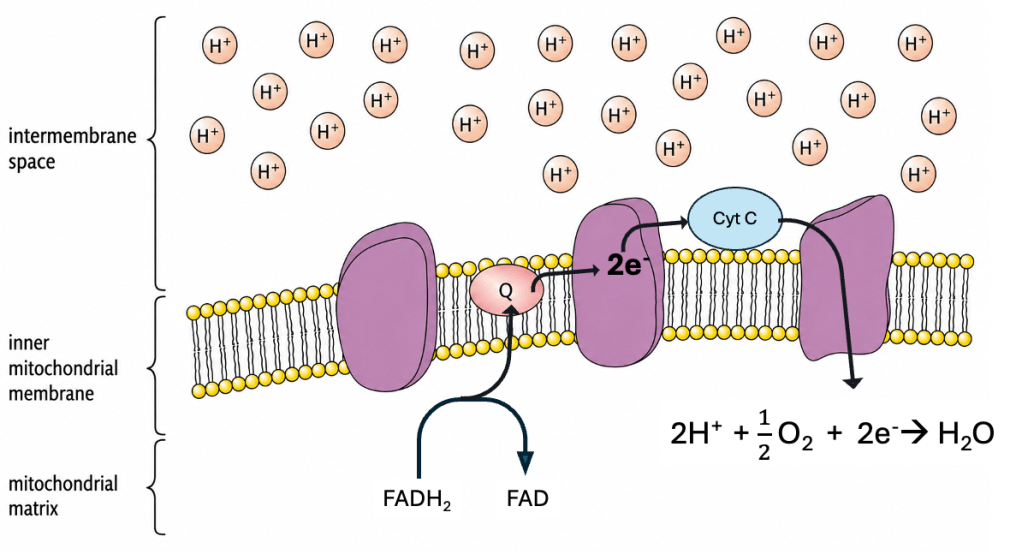
What happens to the protein complexes when they receive the electron?
When a protein complex receives the electrons (energy) that will then pump H+ from the matrix to the intermembrane space. The energy required to pump hydrogen ions across the inner mitochondrial membrane is provided by the electrons as they lose energy while moving through the electron transport chain. This pumping action creates a difference in hydrogen ion concentration across the cristae membrane, with a higher concentration of H⁺ in the intermembrane space than in the mitochondrial matrix.
The ETC also changes the energy level of the electrons. As electrons are passed from one protein to another, it losses some of its energy in a form of heat. In the end, the electron has very low every when it is used by oxygen that we breath in. The product of this is water. This can be seen at the end of ETC in the diagram below:
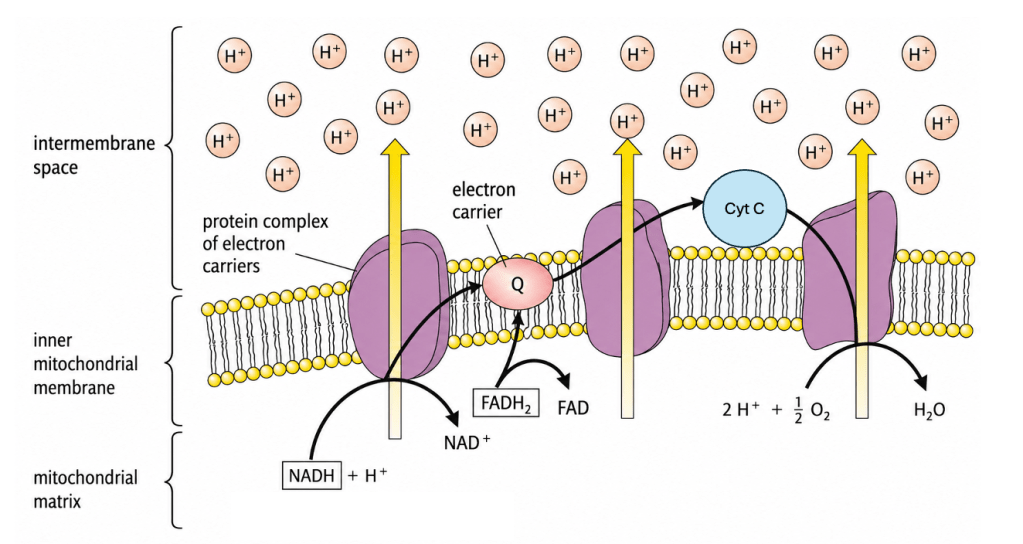
What happens during chemiosmosis?
So, the electron transport chain makes energy available for the production of ATP. This energy is used to add a phosphate group to ADP, forming ATP. This process is called chemiosmosis, which involves the movement of protons (hydrogen ions) across a membrane to provide the energy needed for phosphorylation. Because this type of phosphorylation depends on the electron transport chain, it is known as oxidative phosphorylation. In contrast, substrate-level phosphorylation, which occurs during earlier stages of cellular respiration, does not use the electron transport chain.
The mitochondrial membranes also act as a barrier, allowing hydrogen ions to build up on one side. The membranes contain the enzymes and other molecules needed for the electron transport chain and chemiosmosis.
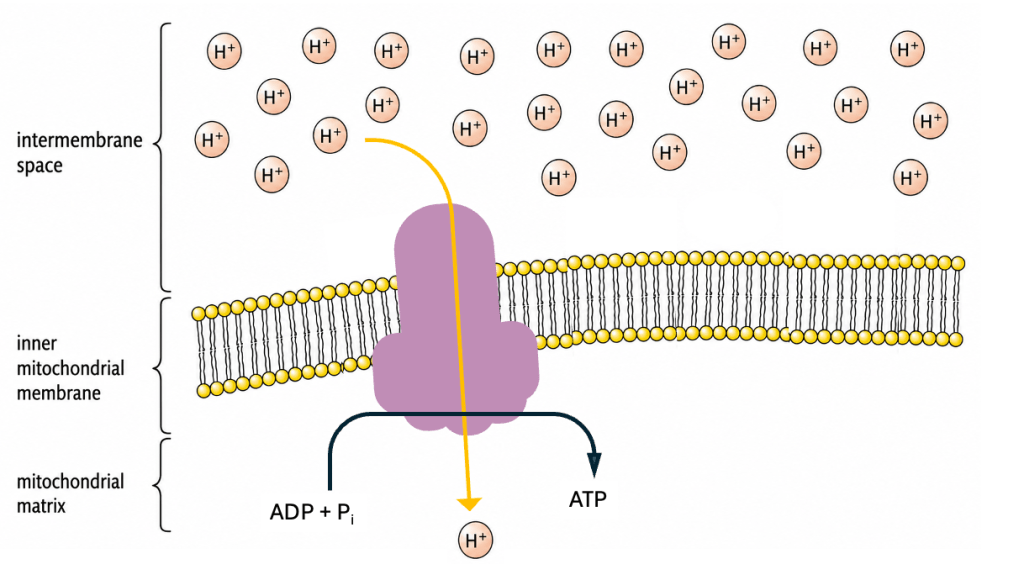
The inner mitochondrial membrane contains many copies of an enzyme called ATP synthase. ATP synthase uses the energy stored in an ion gradient to add a phosphate group to ADP and produce ATP. This ion gradient is created by a difference in hydrogen ion concentration across the cristae membrane. The following figure shows complete oxidative phosphorylation process:
Exercise
Subscribe to get access
Read more of this content when you subscribe today.


Leave a Reply