
Category: Chemistry R3
-

Chemistry R3.3.5 Electron Sharing in Lewis Structures
Learning Objectives Part 1: Interactions Between Lewis Acids and Lewis Bases The Lewis acid-base theory describes the interaction between electron pair donors (Lewis bases) and electron pair acceptors (Lewis acids). This theory is broader than the Bronsted-Lowry definition and applies to a wider range of reactions, including coordination complexes and organic reactions. Terminologies Lewis Acid-Base…
-
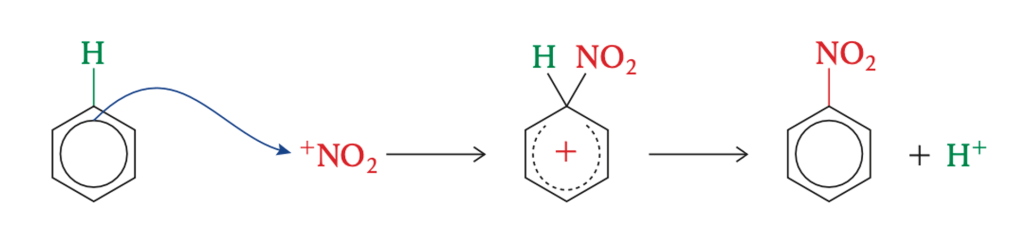
Chemistry R3.3.3 Electrophilic Substitution
Learning Objectives Part 1 Electrophilic Substitution Watch the video to find out more Step 1: Formation of nitronium ion Step 2: Electrophilic substitution
-

Chemistry R3.3.1 Fissions and Radicals
Learning Objectives Part 1: Heterolytic and Homolytic Fission Homolytic Fissions Homolytic fission is the breaking of a covalent bond in which each atom takes one electron from the bond, forming two free radicals. Heterolytic Fissions Heterolytic fission is the process where a covalent bond breaks unevenly, resulting in one atom receiving both electrons from the…
-
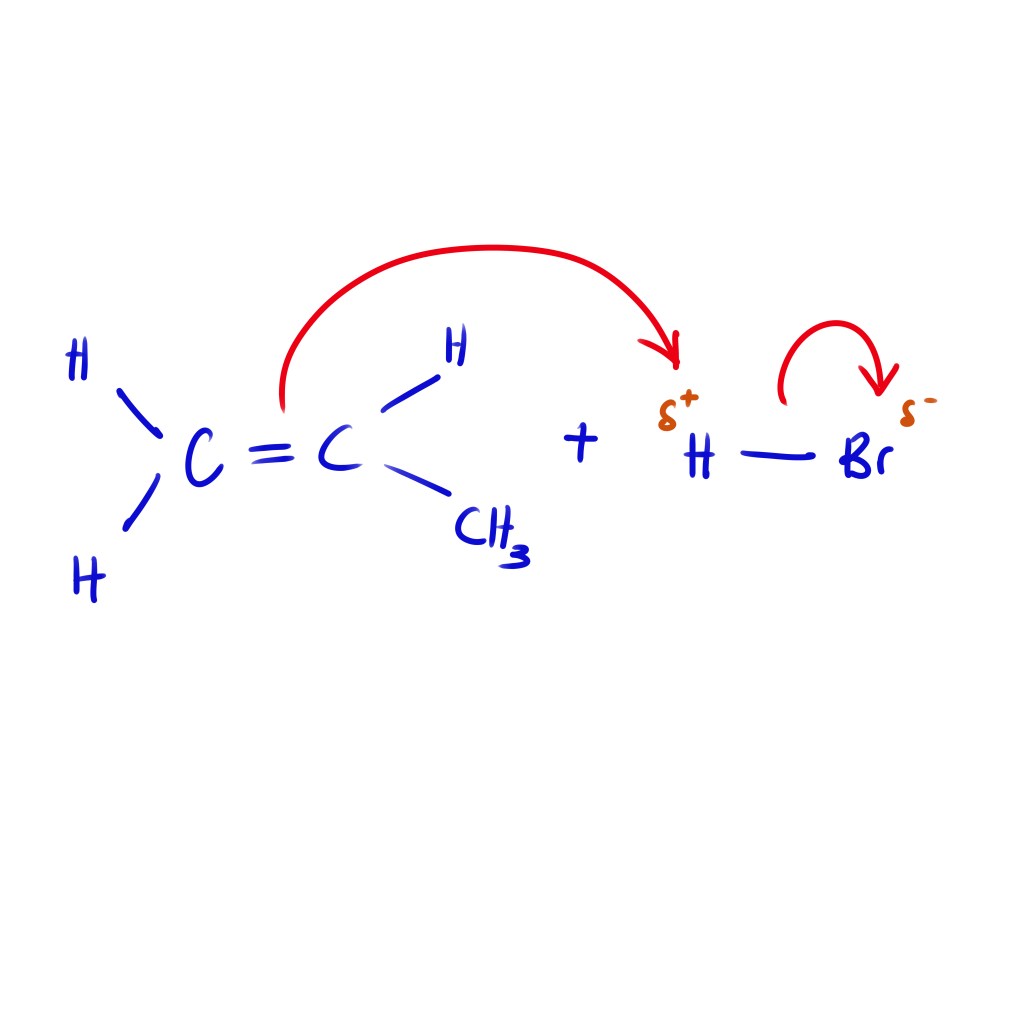
Chemistry R3.3.2 Electrophilic Additions
Learning Objectives Part 1 What are Electrophiles? Definition: Part 2: Electrophilic Addition Reactions Introduction to alkenes In general, electrophilic addition requires the electrophile to undergo a heterolytic fission. This type of split is uneven where one side will get both of the shared electrons (an electron pair). This leaves one part to become a cation…
-
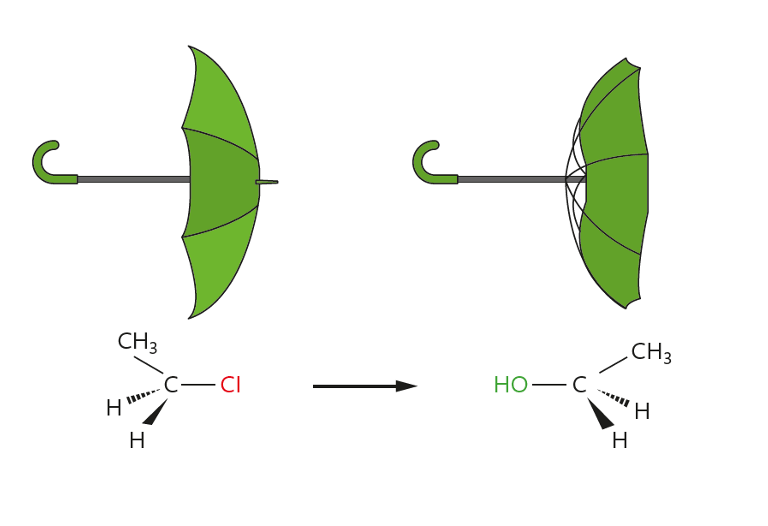
Chemistry R3.3.4 Nucleophilic Substitutions
Learning Objectives Part 1 Nucleophiles Part 2: Nucleophilic Substitution Use the slideshow below to see the overview of the reaction: The result of this reaction: There are two types of nucleophilic substitution which is covered in AHL only: Part 3: [AHL] SN2 Mechanism SN2 (Bimolecular Nucleophilic Substitution) Part 4: [AHL] SN1 Mechanism The overall rate…
 PYTR Class