

Learning Objectives
- Deduce the formula and name of an ionic compound from its component ions, including polyatomic ions.
- Calculate oxidation number
- Interconvert names and formulas of binary ionic compounds.
Part 1: Ionic Formula and IUPAC
Binary ionic compounds (those made of only two elements) are named by writing the metal first, followed by the non-metal ion whose name is modified to end in -ide. For example, S²⁻ is called sulfide. However, when the negative ion contains oxygen, its name usually ends in -ate. For instance, SO₄²⁻ is called sulfate.
The oxidation number of cation is systematically used when naming ionic compounds. For instance:
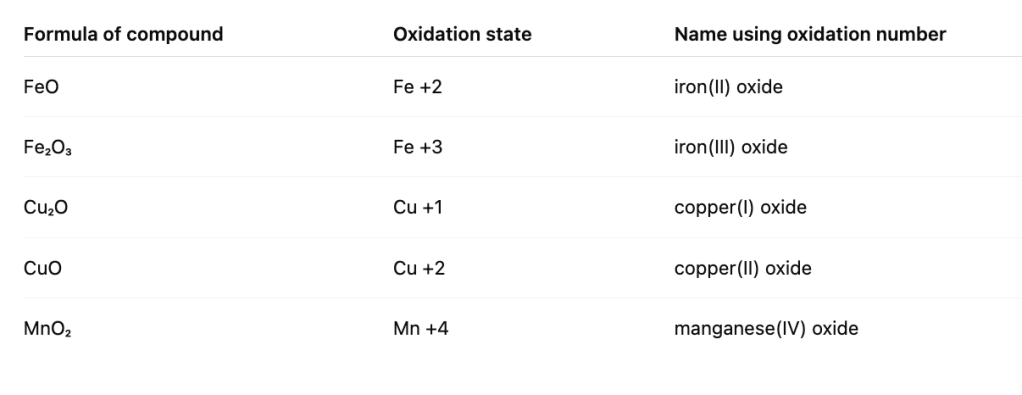
In the table above:
- when naming FeO, we look at the oxidation state of iron which is +2. Using the roman number, the cation will be named iron (II) whilst the anion is oxide. Therefore the IUPAC name of FeO is iron (II) oxide.
The roman number rule also applies in polyatomic ions. For example:

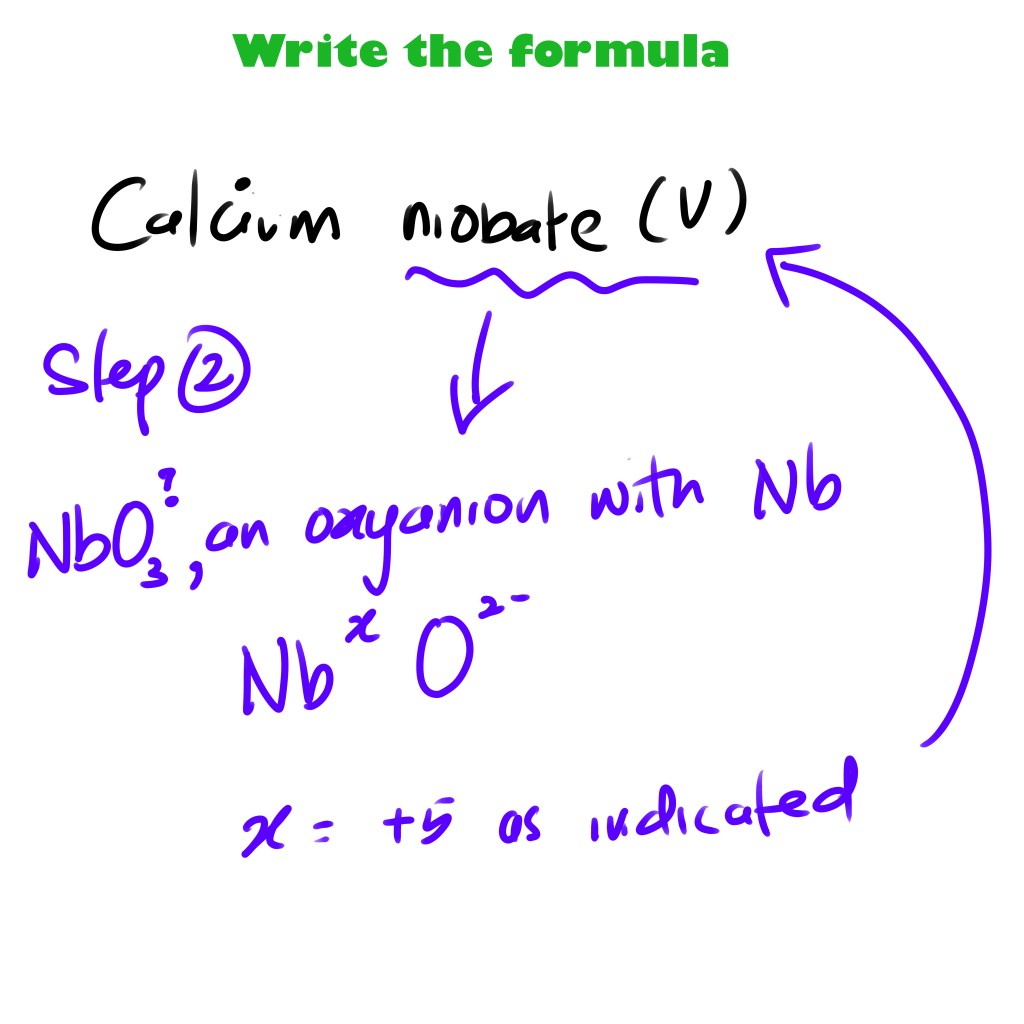
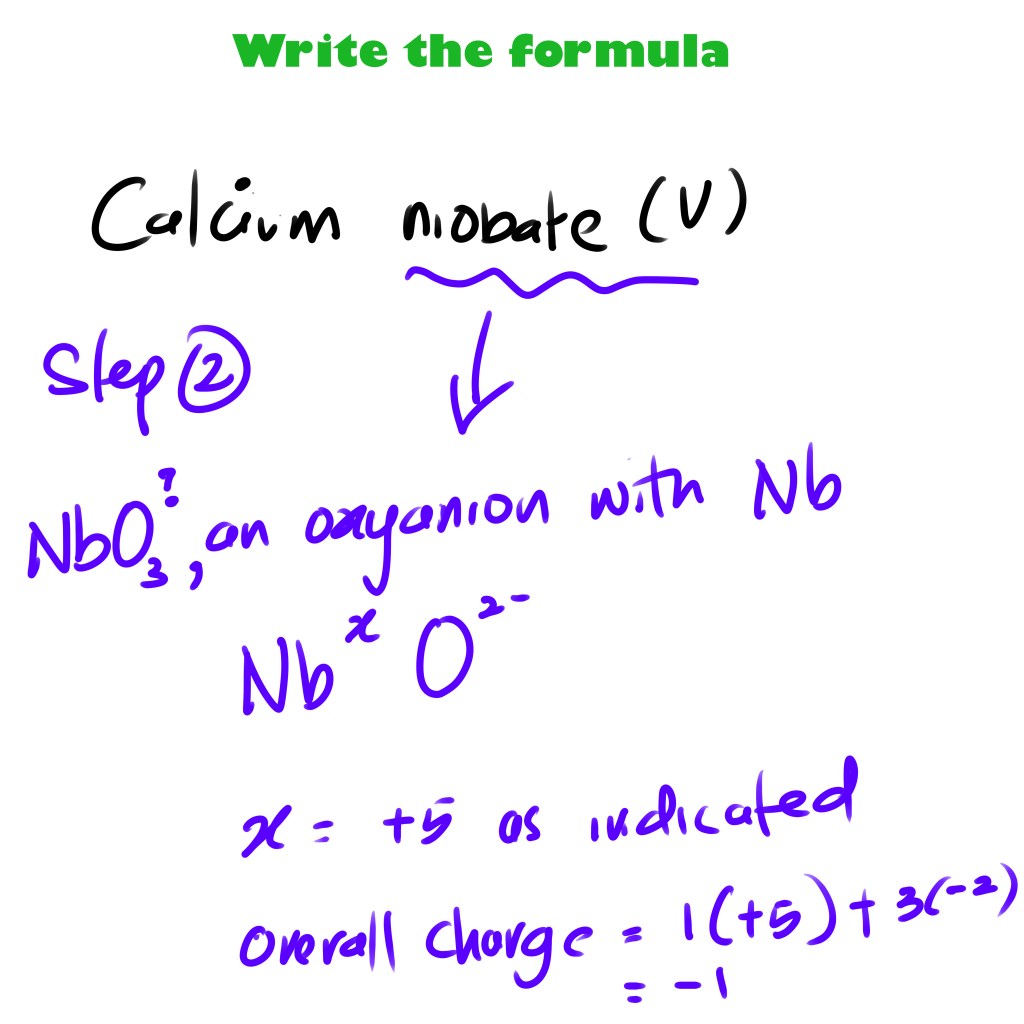
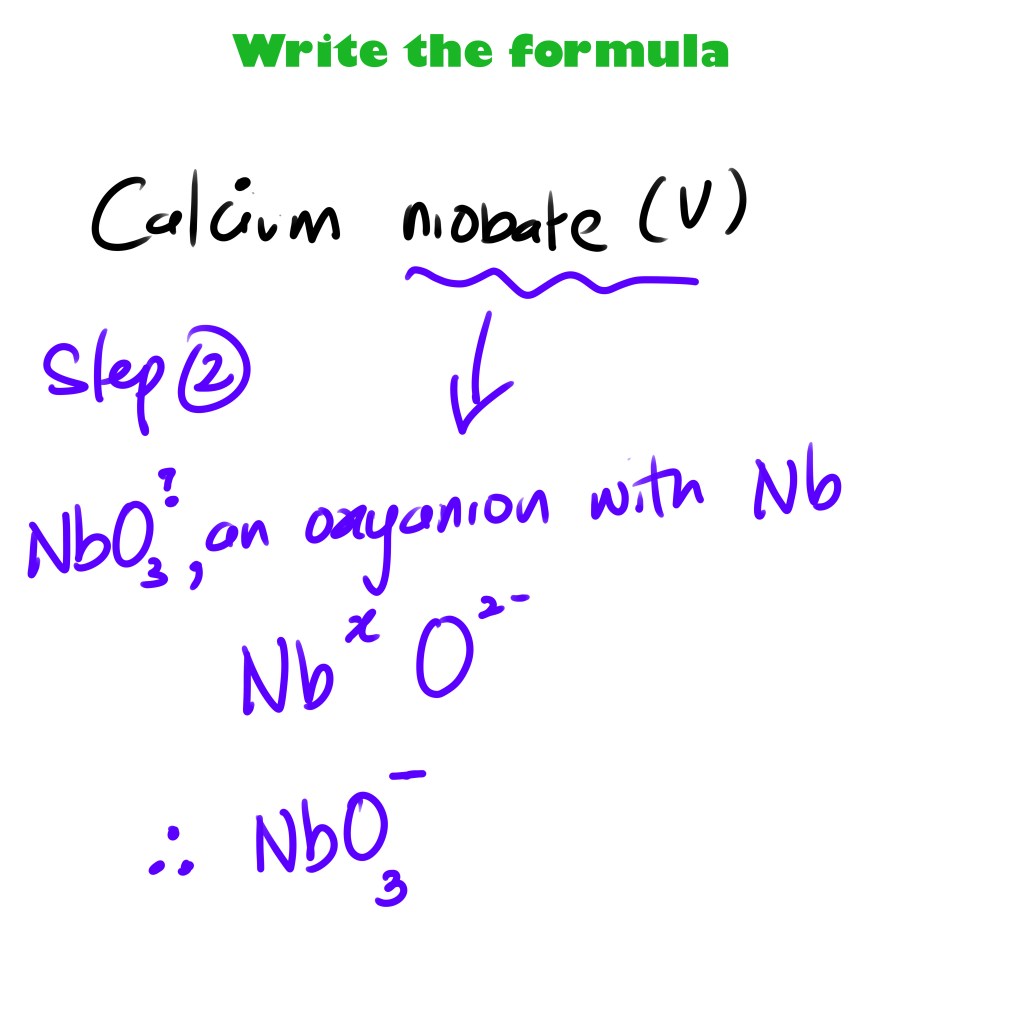
Polyatomic ions consist of two or more atoms that, as a group, have gained or lost electrons to carry an overall charge. Many of these ions occur in salts derived from common acids. The atoms within a polyatomic ion are held together by covalent bonds. For instance, in potassium sulfate, the positively charged K⁺ ions and the negatively charged SO₄²⁻ ions are joined by ionic attraction, while the sulfur and oxygen atoms within the sulfate ion are bonded covalently. The above naming system is called the trivial name. These are still acceptable however when it comes to oxyanions, it might be best to use IUPAC to name the oxyanions. For example:
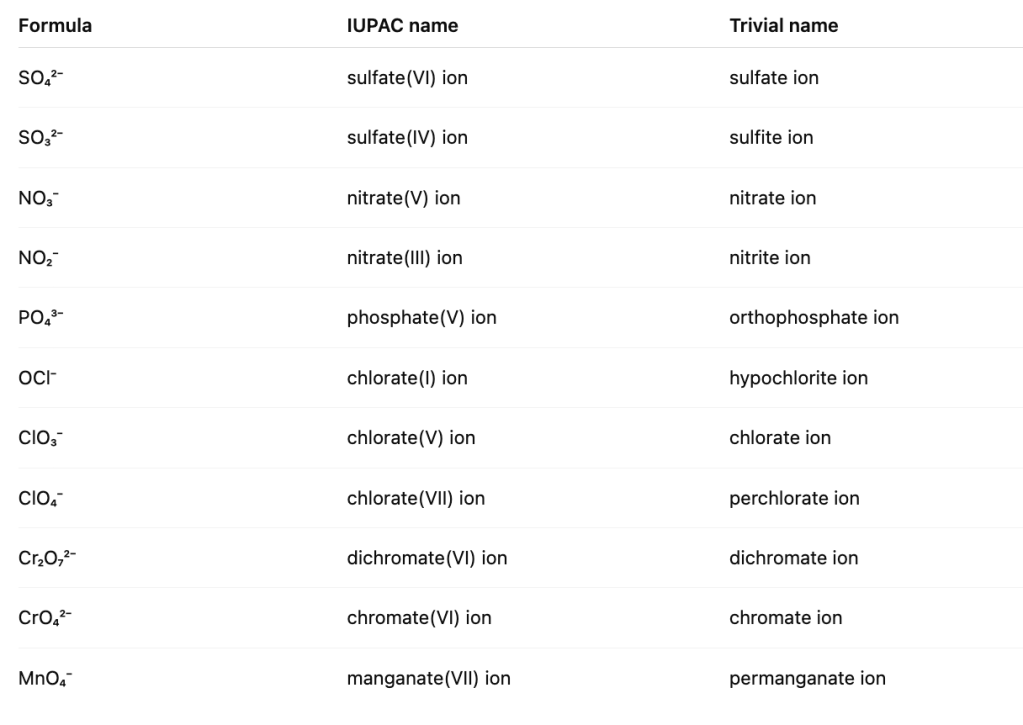
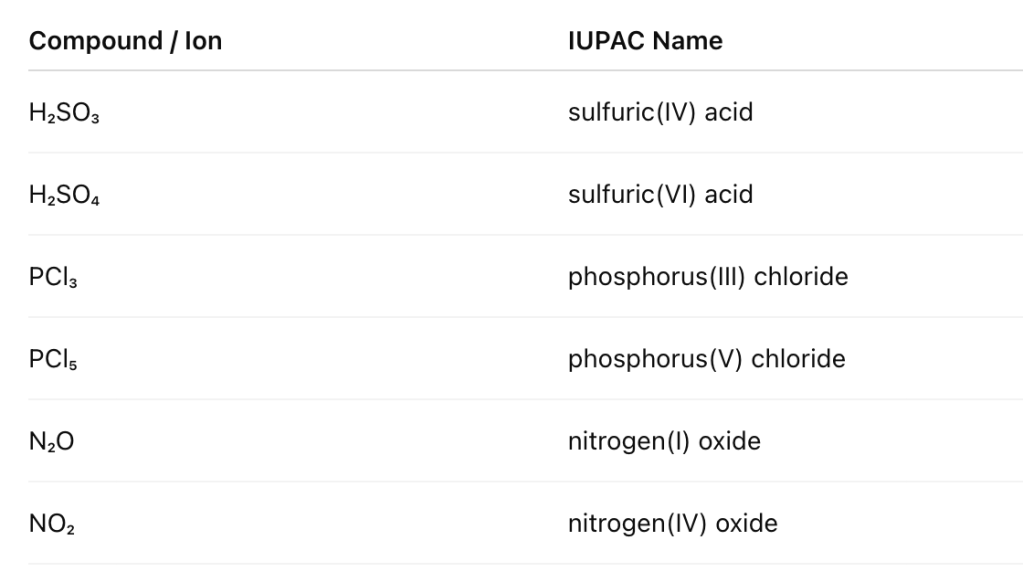
Based on the above above table, H2SO3 and H2SO4 would have the same name but different roman number. H2SO3 will be called sulfuric (IV) acid whilst H2SO4 is called sulfuric (VI) acid. This is because the oxidation number of S in H2SO3 is +4 whilst in H2SO4 is +6
Part 2: Oxidation States
We have already come across several compounds and ions, such as nitric(III) acid, sulfur(IV) oxide, and the sulfate(IV) ion, where Roman numerals appear in the name. These numerals indicate the oxidation state of a particular atom in the compound or ion. Oxidation states are important because they allow us to keep track of electron transfer during redox reactions. They also provide a systematic way to name compounds — for example, distinguishing between nitrogen(I) oxide (N₂O) and nitrogen(II) oxide (NO).
How to Assign Oxidation States
To assign oxidation states, we imagine every bond as ionic and then determine the charge that each atom would have if electrons were completely transferred.
For instance, CH₄ is a covalent compound, but we assign oxidation states by considering electronegativity. Each hydrogen atom (the less electronegative element) is treated as if it donates one electron to carbon (the more electronegative element). This gives carbon an oxidation state of –4 and hydrogen an oxidation state of +1. Note: the sign is written before the number (e.g., –2, +3), which distinguishes oxidation states from ionic charges.
General Guidelines for Oxidation States
- Ionic compounds: The oxidation states are simply the charges on the ions.
- Example: In KCl, potassium has an oxidation state of +1 and chlorine –1.
- Oxygen and hydrogen: Unless stated otherwise, oxygen is assigned –2 and hydrogen +1.
For more detailed rules, please read the post Chemistry S3.1.5 Oxidation States
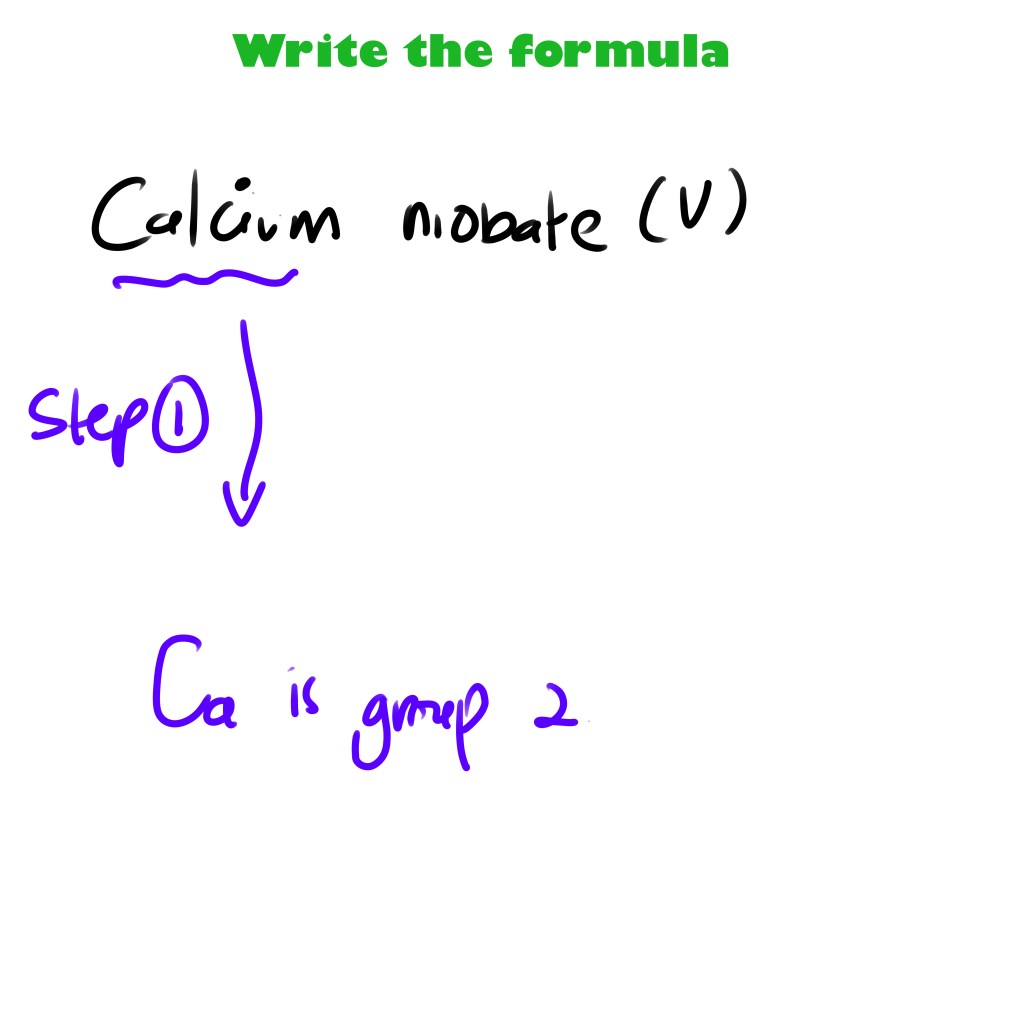
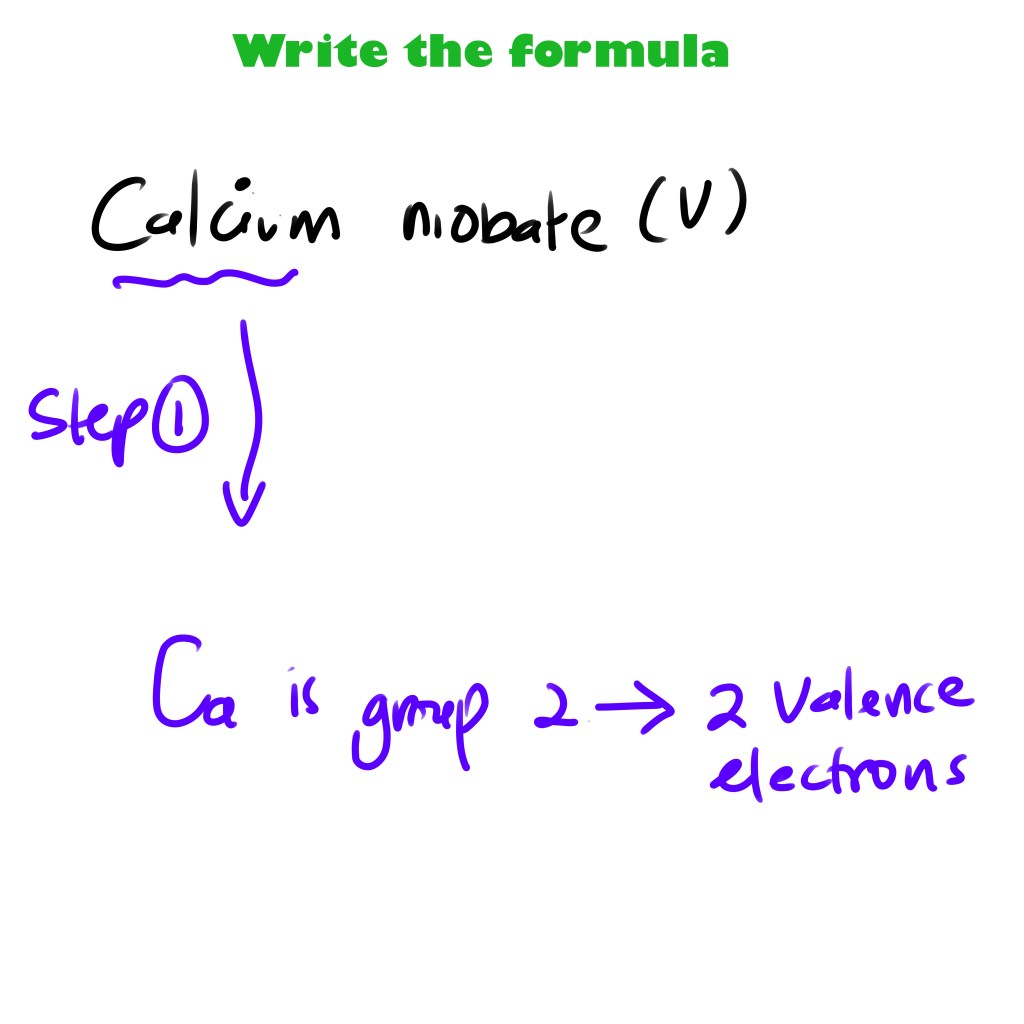
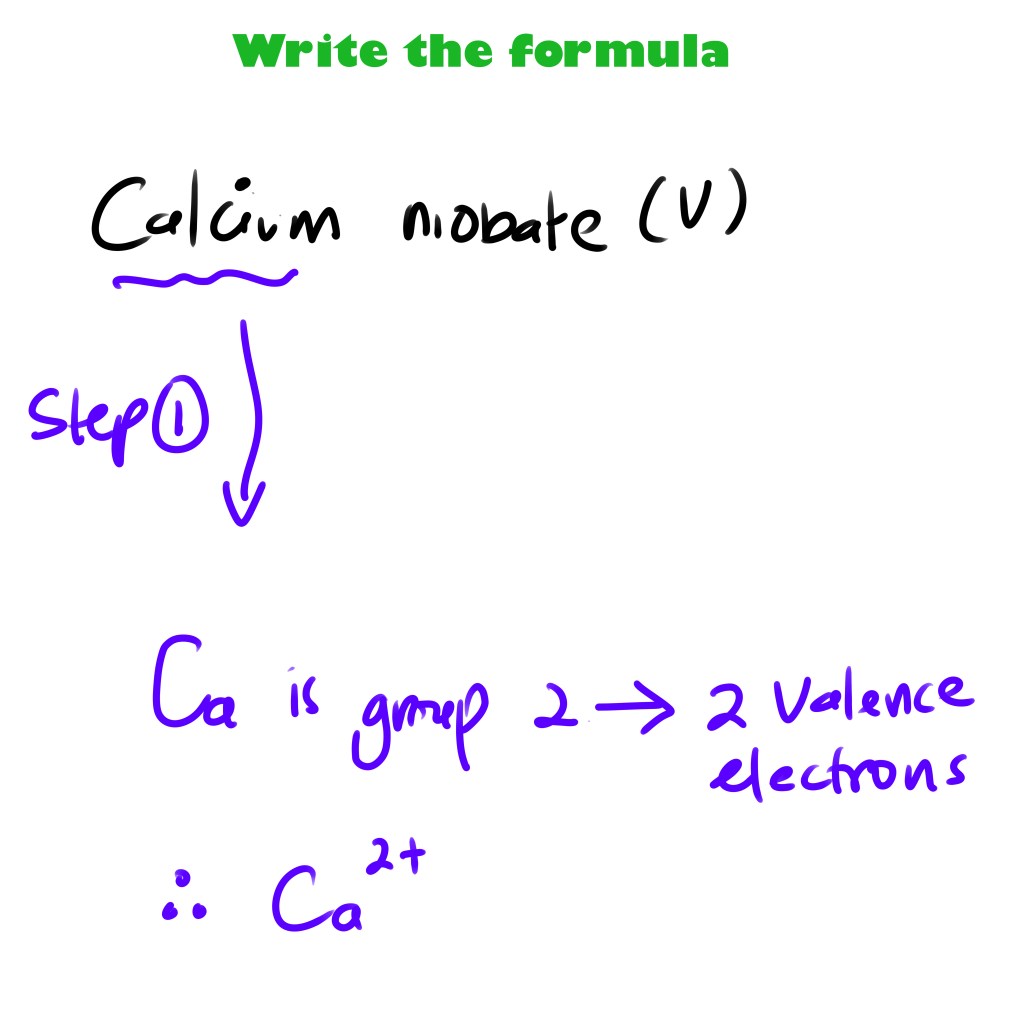
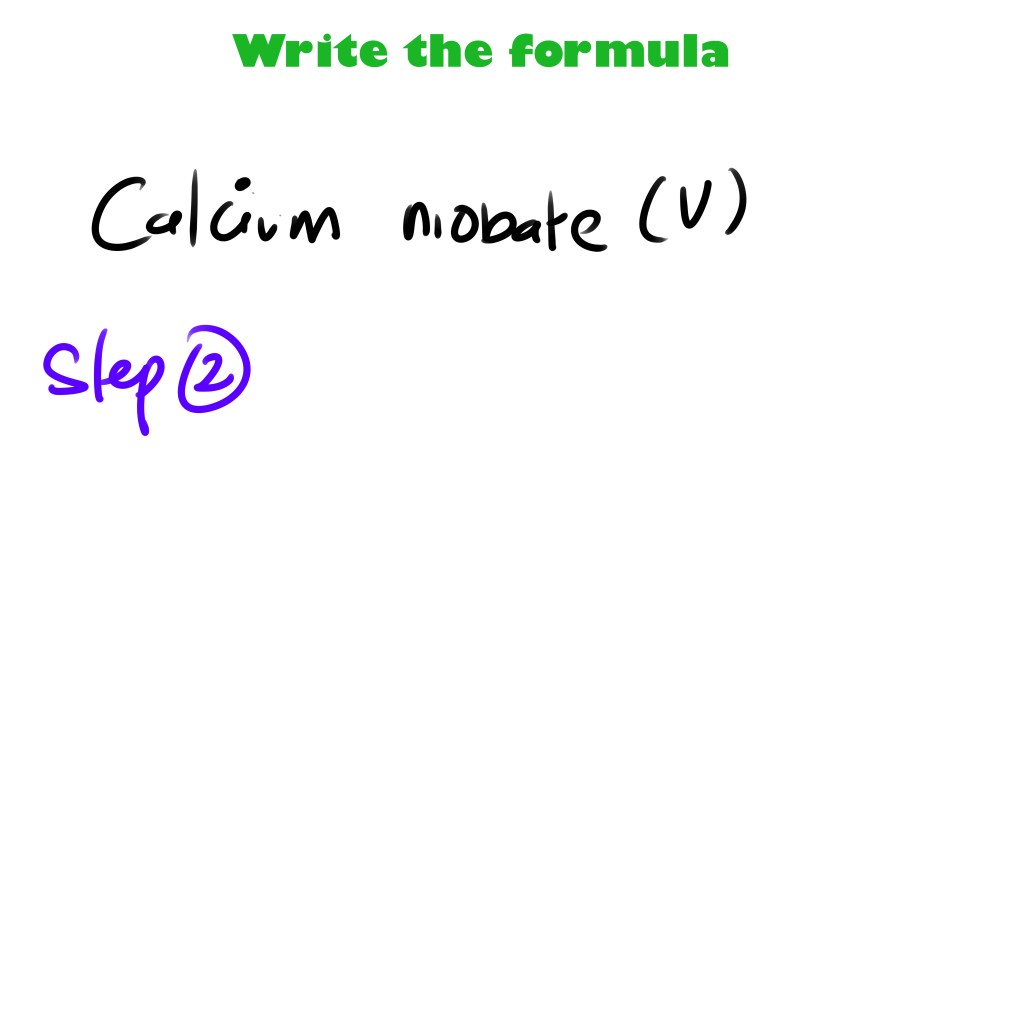
Part 3: Interconvert names and formulas of binary ionic compounds.
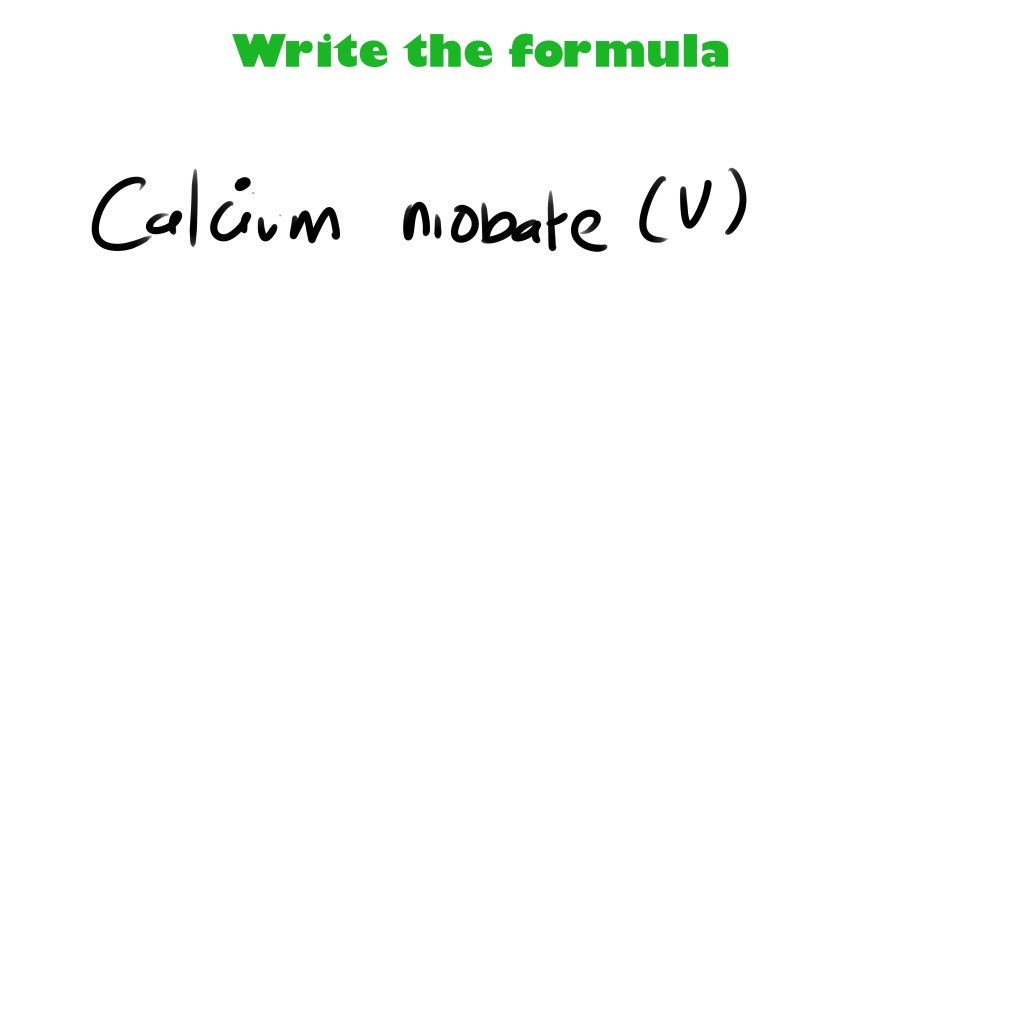

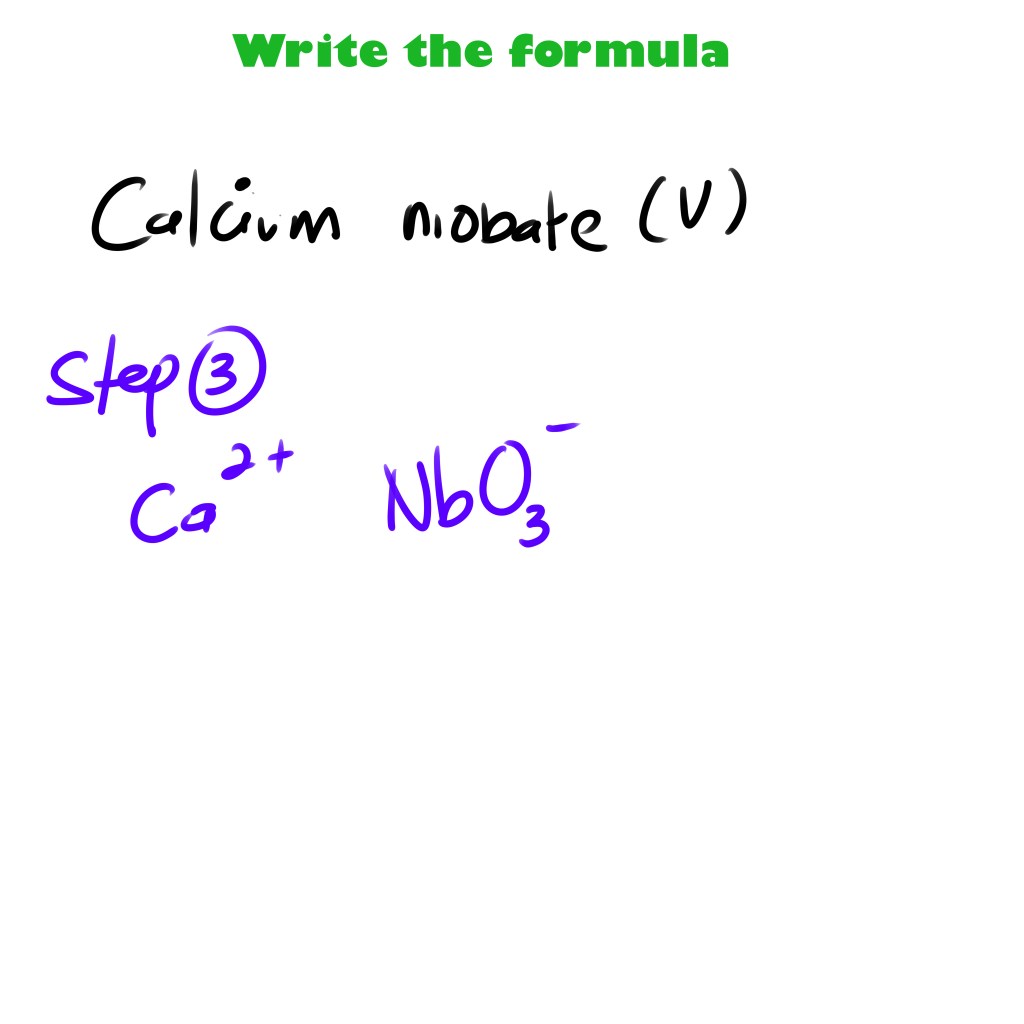
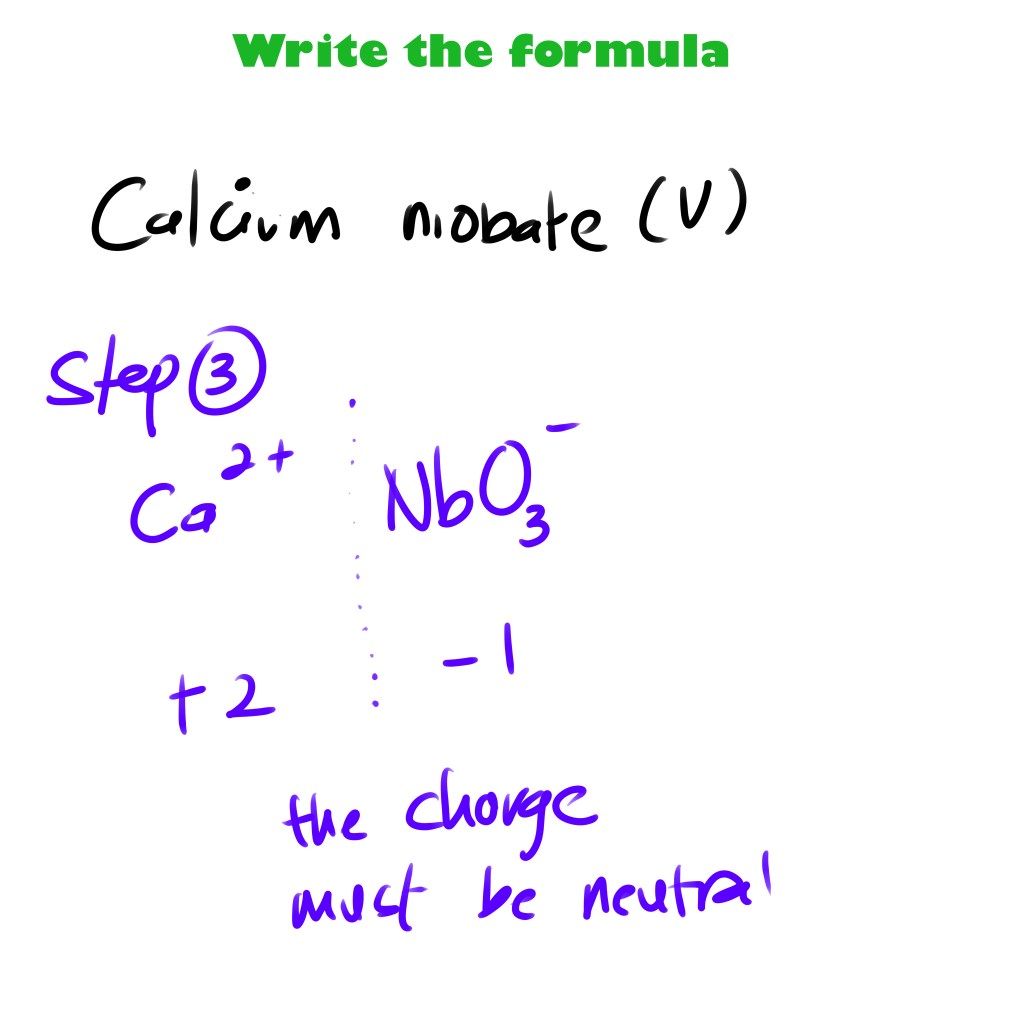
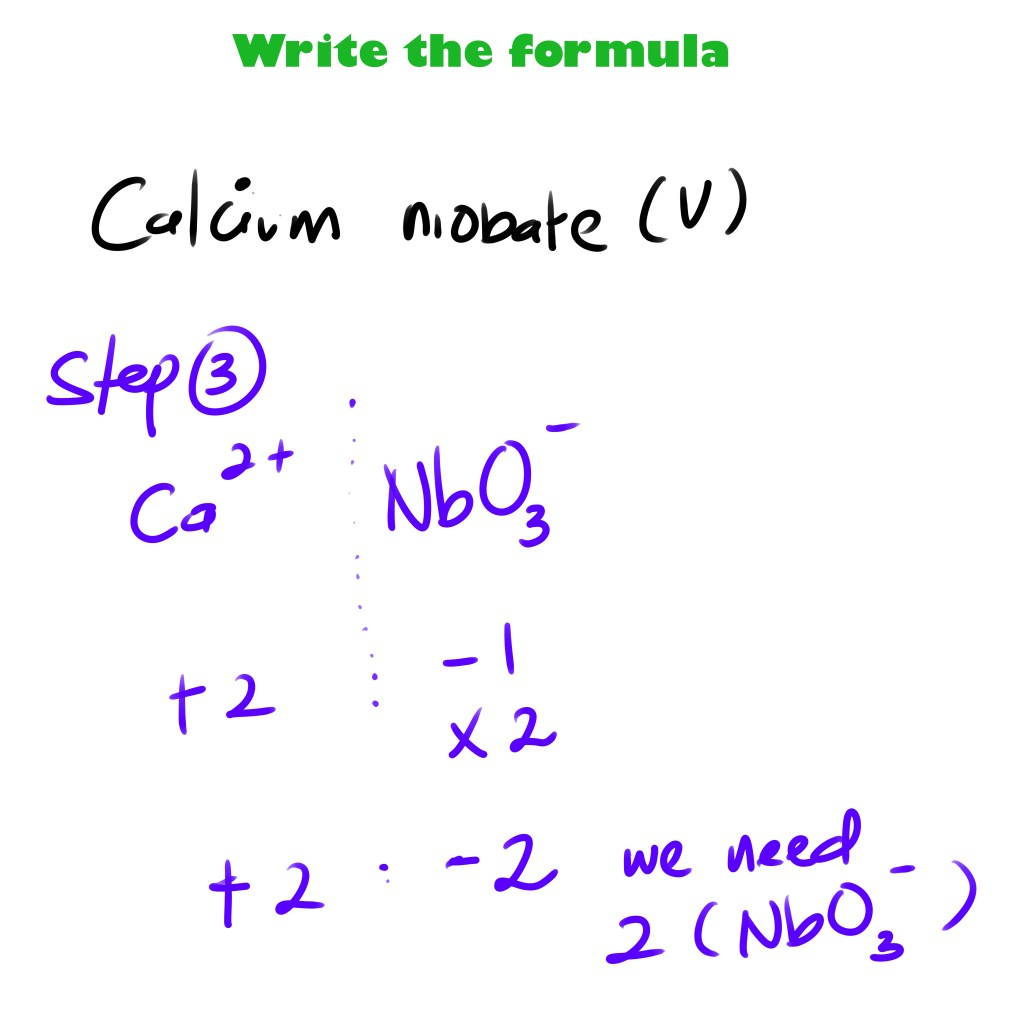
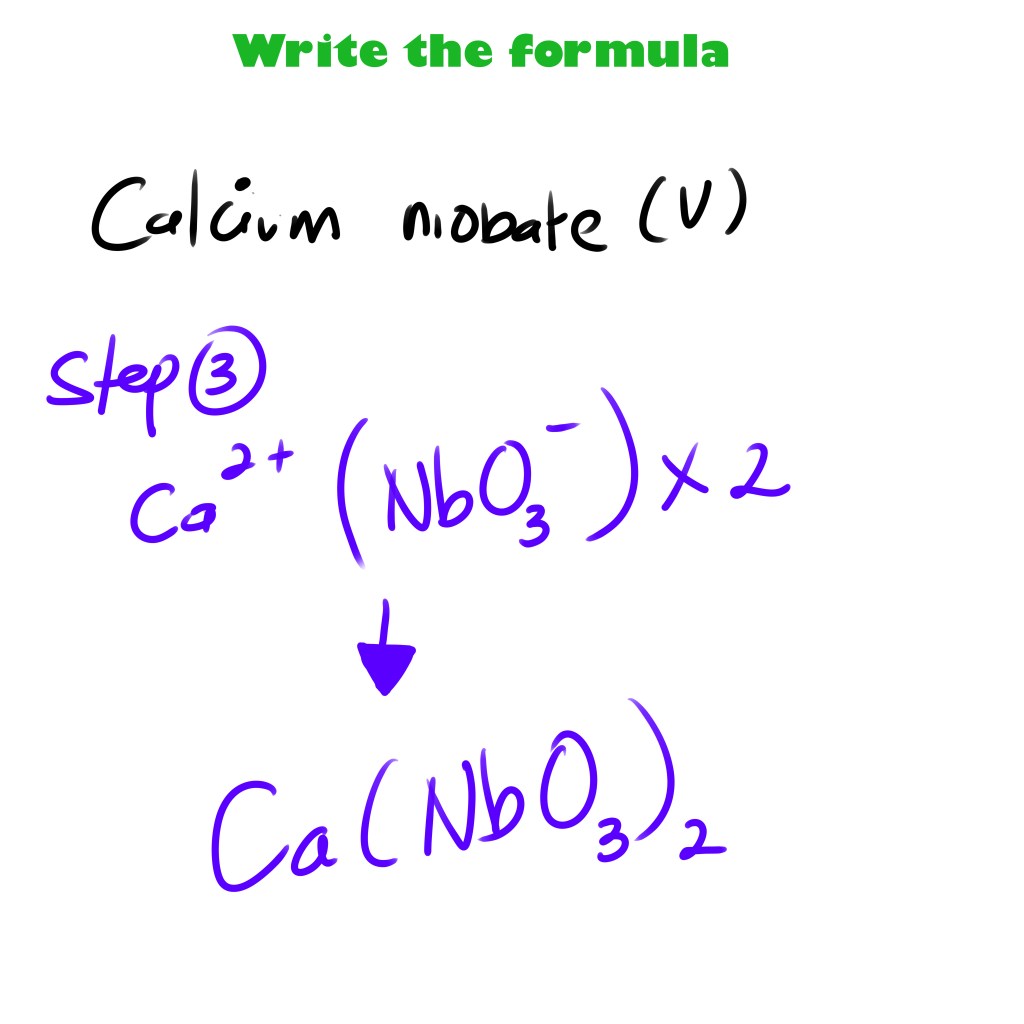
Exercise
Q1 State the formula
a) potassium bromide
b) zinc oxide
c) sodium sulfate
d) copper(II) bromide
e) chromium(III) sulfate
f) aluminium hydride
Q2 State the name of the compound
a) Sn₃(PO₄)₂
b) Ti(SO₄)₂
c) Mn(HCO₃)₂
d) BaSO₄
e) Hg₂S
f) V₂O₃
g) Cr₂O₃
h) PbO₂
![ESS 8.1.3 [AHL] Biocapacity and Environmental Migration](https://mypytrclass.com/wp-content/uploads/2025/12/image-4.png?w=1024)




![ESS 8.3.4 [AHL] Photochemical Smogs and Tropospheric Ozone](https://mypytrclass.com/wp-content/uploads/2025/12/image-1.png?w=1024)

 PYTR Class