

The IBDP Environmental Systems and Societies (ESS) course is an interdisciplinary subject that explores the complex relationships between environmental systems and human societies. Combining elements of biology, geography, and environmental science, ESS equips students with the knowledge and skills to critically evaluate environmental issues, understand ecological principles, and propose sustainable solutions. Through hands-on investigations and case studies, students develop a holistic understanding of environmental challenges and the role individuals and communities play in addressing them.
ESS Aims (From the IB for first assessment 2026)
ESS aims to empower and equip students to:
- develop understanding of their own environmental impact in the broader context of the impact of humanity on the Earth and its biosphere,
- develop knowledge of diverse perspectives to address issues of sustainability,
- engage in and evaluate the tensions around environmental issues using critical thinking ,
- develop a systems approach to provide a holistic lens for the exploration of environmental issues, and
- be inspired to engage in environmental issues across local and global contexts.
Holistic Idea of ESS
Thinking as systems
ESS Content
Topic 1 Foundation and HL Lenses

HL Lenses
- ESS HL.a.1 Introduction to The Environmental Law
- ESS HL.a.2 Transboundary Environmental Agreements
- ESS HL.a.3 International Environmental Law
- ESS HL.a.4 [Case Study] CITES List for African Elephants
- ESS HL.b.1 Introduction to The Environmental Economics
- ESS HL.b.2 [Case Study] Lithium-Ion Battery in Cars
- ESS HL.b.3 Ecological Economics
- ESS HL.c.1 Framework of Environmental Ethics
- ESS HL.c.2 Traditional Approaches to Ethics

Topic 2 Ecology
2.4 Climates and Biomes

Topic 3 Biodiversity

3.2 Human Impacts on Biodiversity
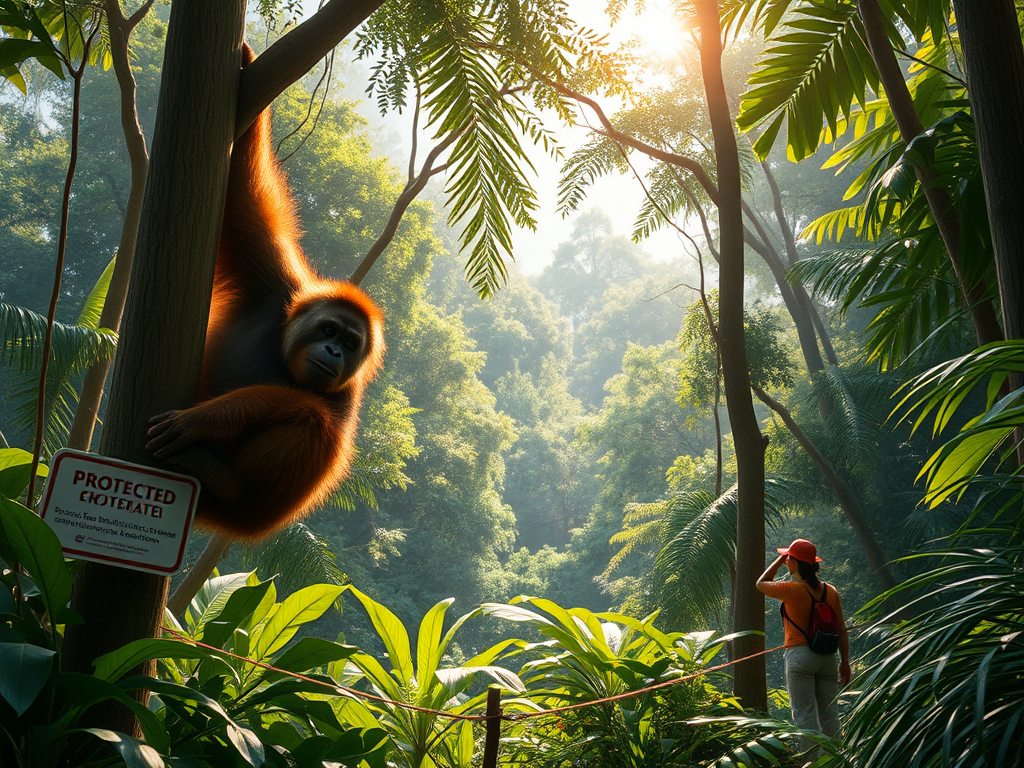
3.3 Biodiversity and Conservation
Topic 4 Water
4.2 Water Access, Uses and Scarcity
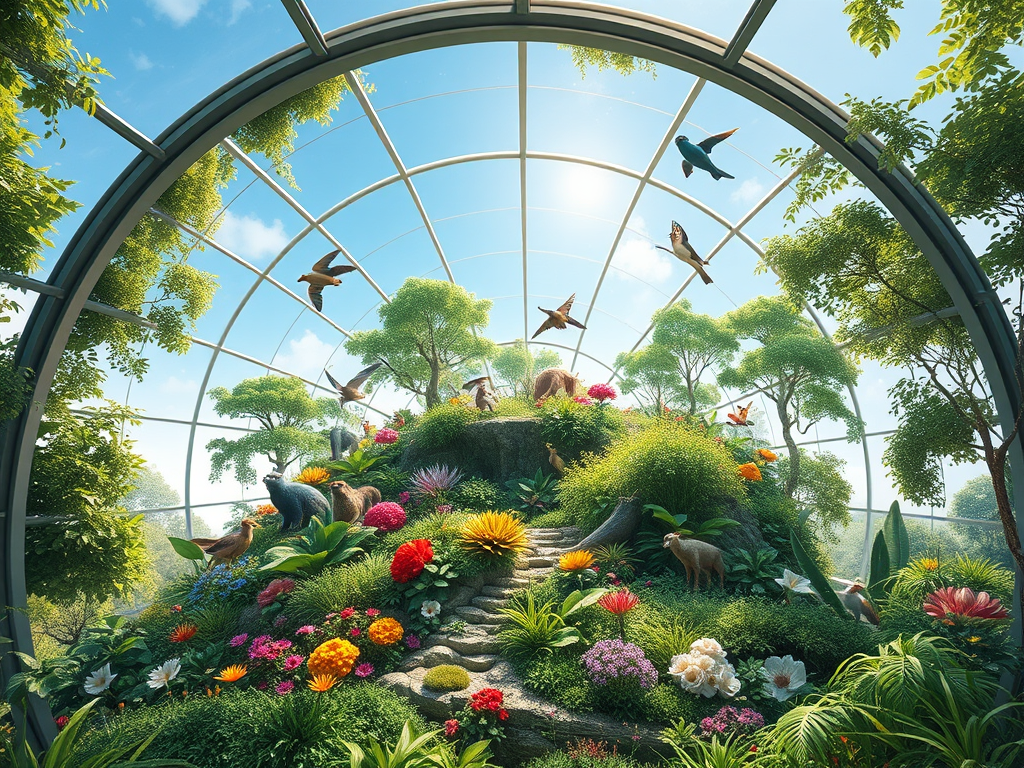
4.3 Aquatic Food Production Systems
Topic 5 Soil

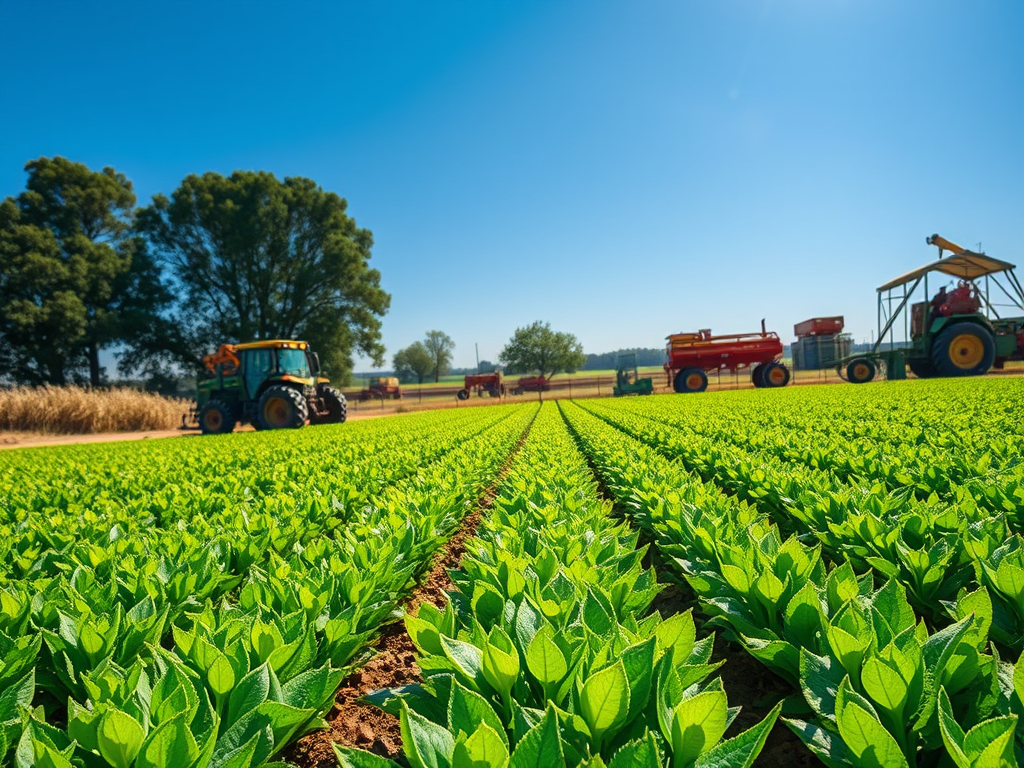
Topic 6 Atmosphere

6.1 The Earth’s Atmosphere
6.2 Climate Change – Causes and Effects
6.3 Climate Change – Management Strategies

6.4 Stratospheric Ozone
Topic 7 Resources

Topic 8 Population and Urbanisation
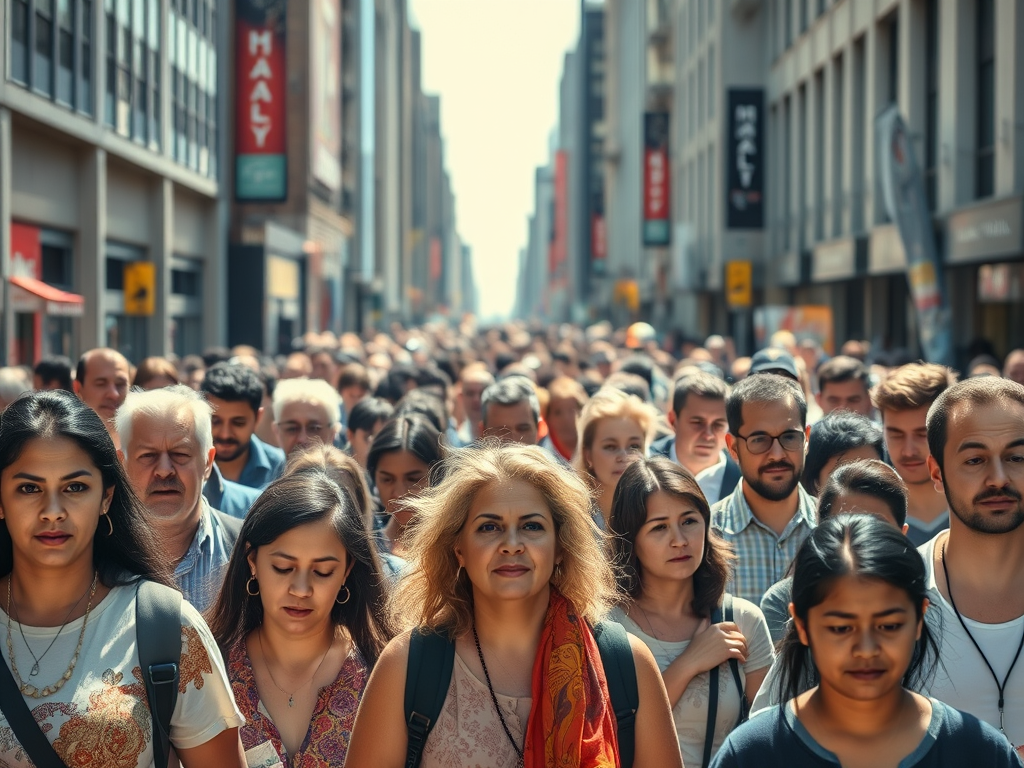
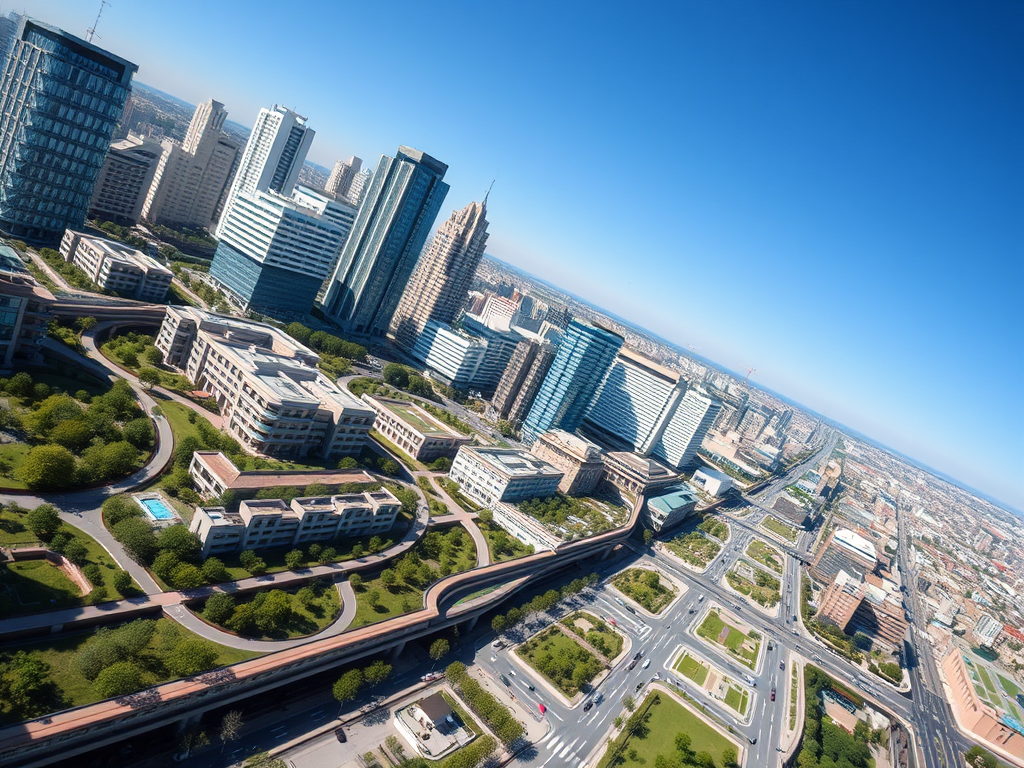
8.2 Urban Systems and Planning

ESS Summary
| Topics | Subtopic 1 | Subtopic 2 | Subtopic 3 | Subtopic 4 | Subtopic 5 | Skills |
| 1 Concept | 1.1 Perspectives | 1.2 Systems | 1.3 Sustainability | Surveying EVS | ||
| 2 Ecology | 2.1 Individual to Ecosystems | 2.2 Energy & Biomass | 2.3 Biogeochemical Cycles | 2.4 Climates and Biomes | 2.5 Zonation and Succession | Random and Systematic Sampling |
| 3 Biodiversity | 3.1 Biodiversity & Evolution | 3.2 Human Impacts on Biodiversity | 3.3 Biodiversity and Conservation | Simpson’s Index | ||
| 4 Water | 4.1 Hydrological Cycle | 4.2 Access, Uses and Scarcity | 4.3 Aquatic Food Production Systems | 4.4 Water Pollution | Indicator Species | |
| 5 Land | 5.1 Soil as a System | 5.2 Agriculture and Food | Infiltration and Drainage | |||
| 6 Atmosphere | 6.1 The Earth’s Atmosphere | 6.2 Causes and Impacts of Climate Change | 6.3 Management Strategies of Climate Change | 6.4 Stratospheric Ozone | Ozone Depletion Data Analysis | |
| 7 Resouces | 7.1 The Use of Natural Resources | 7.2 The Use of Energy Sources | 7.3 Solid Waste | Making Biodiesel | ||
| 8 Population | 8.1 Human Population | 8.2 Urban Systems and Planning | 8.3 Urban Air Pollution | Air Pollution Analysis | ||
| HL Lens | HL.a | HL.b | HL.c |
Follow mypytrclass.com
Get new content delivered directly to your inbox.
 PYTR Class