
Category: Chemistry S3
-

Chemistry S3.1.8 Ionisation Energies
Learning Objectives Part 1: Patterns of First Ionisation Energy The first ionisation energy is the energy required to remove one mole of electrons from one mole of gaseous atoms to form one mole of gaseous 1+ ions. It is measured in kilojoules per mole (kJ/mol). It is generally easier to remove an electron from a…
-
![Chemistry S3.1.7 [AHL] Chemical Properties of Transition Metals](https://mypytrclass.com/wp-content/uploads/2025/02/image-37.png?w=1024)
Chemistry S3.1.7 [AHL] Chemical Properties of Transition Metals
Learning Objectives Chemical Properties of Transition Metals Transition metals exhibit distinct chemical behaviors that set them apart from s-block metals. They: Part 1: Variable Oxidation State A key characteristic of transition metals is their ability to exist in multiple oxidation states, unlike s-block metals, which typically display a single oxidation state corresponding to their group…
-
![Chemistry S3.1.6 [AHL] Transition Metals](https://mypytrclass.com/wp-content/uploads/2025/02/screenshot-2025-02-27-at-21.32.24.png?w=1024)
Chemistry S3.1.6 [AHL] Transition Metals
Learning Objectives Part 1: The First Row of d-Block The electron configurations of the elements in the first row of the d-block are summarised in the table below. Notably, chromium (half d for Cr) and copper (full d for Cu) exhibit unusual electron configurations. Atomic Radii As the inner d-sublevel fills across the series, these…
-

Chemistry S3.1.5 Oxidation States
Learning Objectives Part 1: Oxidation States of Elements, Ions and Compounds Rule Description Example 1 Atoms in their free (uncombined) elemental state have an oxidation state of zero. The oxidation states of Mg, O₂, N₂, and Ar are all 0. 2 In simple ions, the oxidation state is the same as the charge on the…
-

Chemistry S3.1.4 Acid Rain and Ocean Acidification
Learning Objective Part 1: Formation of Acid Rain Summary: Formation of Acid Rain Acid rain is caused by non-metal oxides, primarily sulfur oxides (SO₂, SO₃) and nitrogen oxides (NO, NO₂), which dissolve in rainwater to form acidic solutions. 1. Natural Acidity of Rainwater 2. Sulfur Oxides and Acid Rain 3. Nitrogen Oxides and Acid Rain…
-
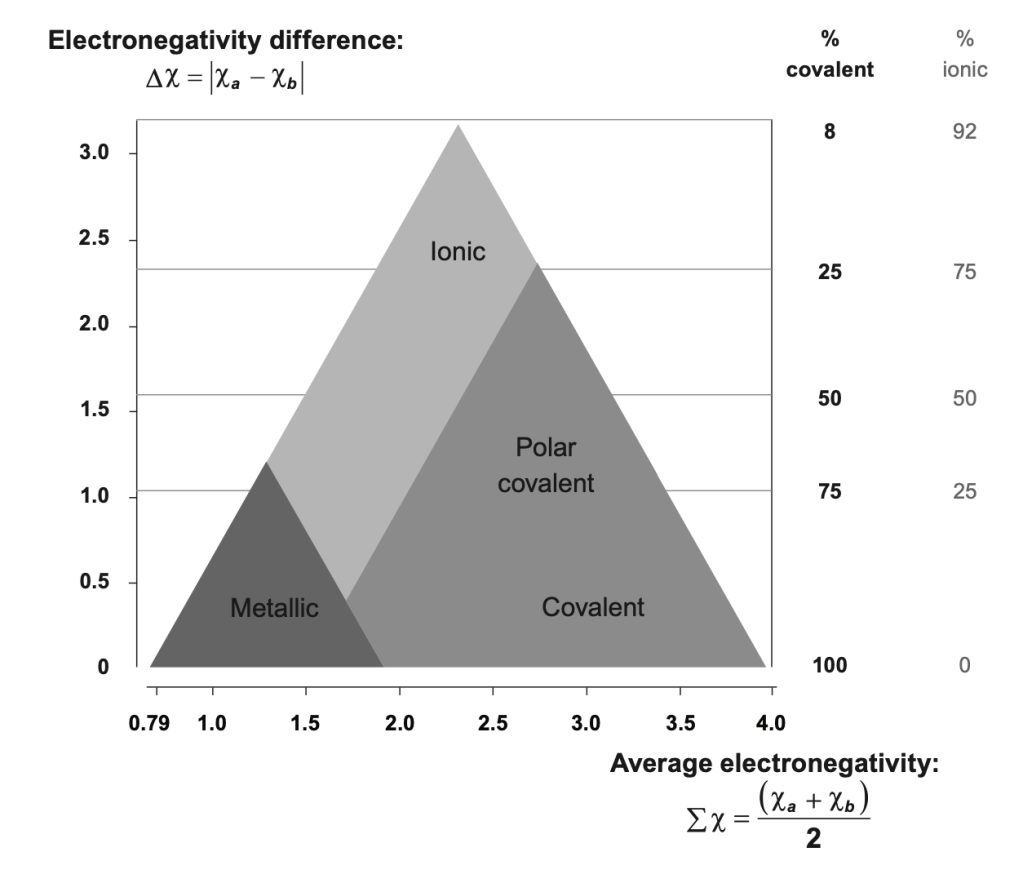
Chemistry S3.1.3 Metal and Nonmetal Oxides
Learning Objective Part 1: The Bonding of Period 3 Oxides The transition from metallic to non-metallic character in period 3 oxides is reflected in their bonding. Metal oxides (Na to Al) form giant ionic structures, while non-metal oxides (phosphorus, sulfur, chlorine) are molecular covalent. Silicon, being a metalloid, forms a giant covalent oxide. The ionic…
-

Chemistry S3.1.2 Chemical Properties of Halogens and Alkali Metals
Learning Objectives Group 18: The Noble Gases To understand element reactivity, it is useful to examine Group 18, which consists of the least reactive elements—the noble gases. Elements in other groups exhibit reactivity due to their unstable, incomplete electron energy levels. They lose or gain electrons in order to attain the stable electron configuration of…
-
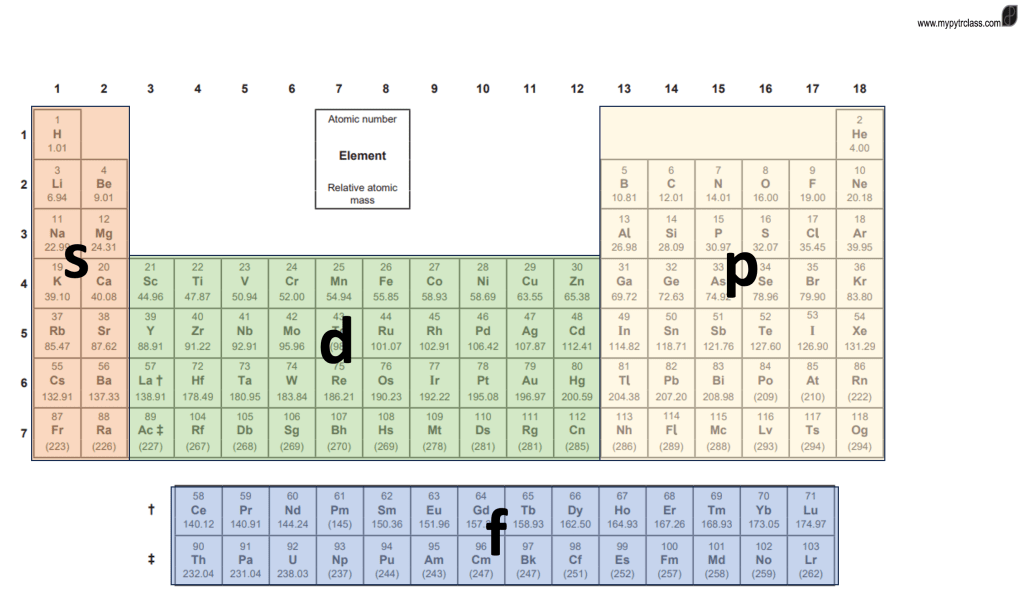
Chemistry S3.1.1 Introduction to The Periodic Table
Learning Objectives Part 1: How to Read The Periodic Table? Essential Questions How Elements Are Arranged in the Periodic Table What Are Groups and Periods? Regions of Metals and Nonmetals Identifying Specific Groups Part 2: How to deduce electron configuration from the Periodic Table? Essential Questions: Elements in the same group have similar chemical properties…
 PYTR Class