

IBDP Chemistry explores the building blocks of matter and how substances interact, combine, and change. You’ll learn why reactions happen, how energy is involved, and how chemistry connects to real-world issues like climate change, medicine, and materials science.
Through hands-on experiments, problem-solving, and your own independent investigation (IA), you’ll build strong scientific thinking skills. Whether you choose Standard Level (SL) or Higher Level (HL), this course lays the foundation for further study in science, engineering, or health-related fields.
Perfect for curious minds who love to ask “why” and enjoy both theory and practical work!
Purpose
Chemistry helps us understand and explain matter at a microscopic level so we can predict and control its behavior on a larger scale. It focuses on finding patterns, developing models, and using creative, logical thinking to form explanatory theories and rules.
How Knowledge is Acquired:
Chemistry relies heavily on experimentation, supported by advanced tools like spectroscopy and computer modelling. These technologies extend our understanding beyond what we can see, and their results often require detailed mathematical analysis. Chemists must always consider uncertainties and limitations in their investigations.
Impact
Chemistry has real-world effects, from energy solutions like biofuels to industrial processes like catalysis. Because of this, ethical responsibility and clear communication—even beyond the scientific community—are essential. The retraction of flawed research, even by Nobel Prize winners, highlights the importance of honesty in science.
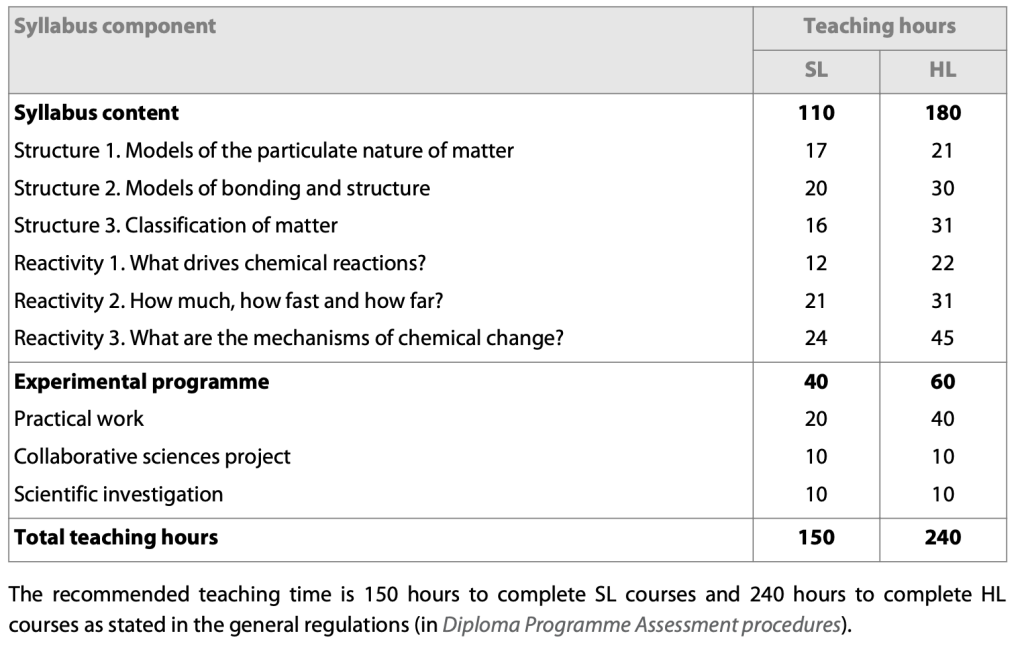
Topics in IB Chemistry
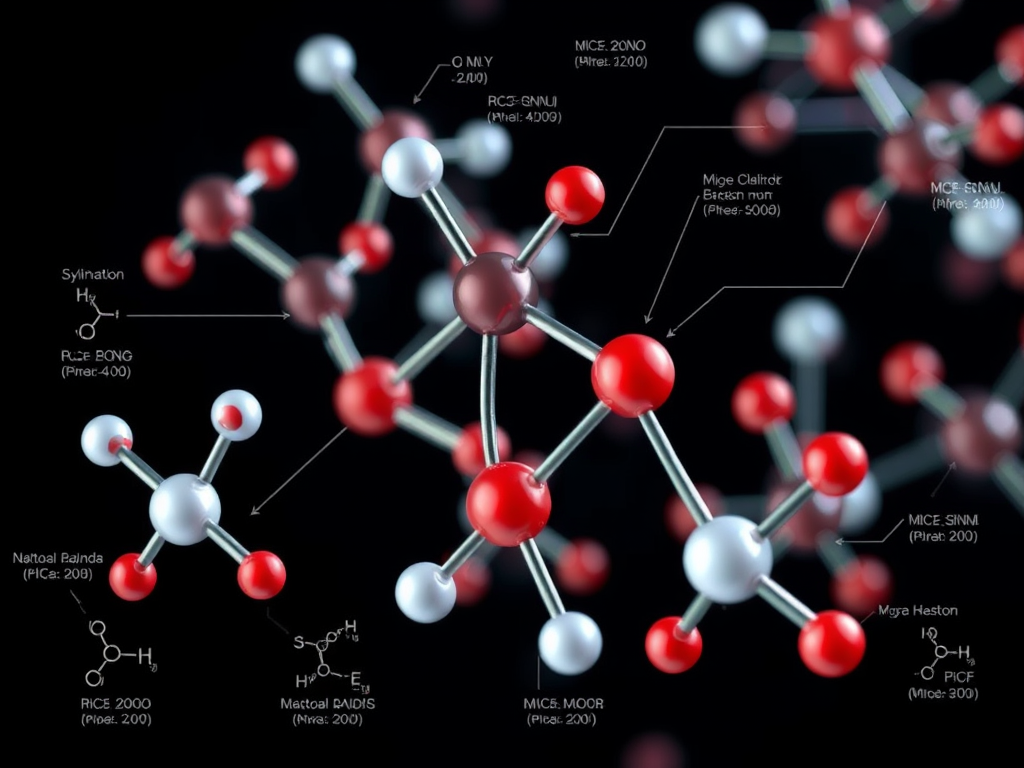
S2 Bonding and Structure

S3 Classification of Matter
- Chemistry S3.1.1 Introduction to The Periodic Table
- Chemistry S3.1.2 Chemical Properties of Halogens and Alkali Metals
- Chemistry S3.1.3 Metal and Nonmetal Oxides
- Chemistry S3.1.4 Acid Rain and Ocean Acidification
- Chemistry S3.1.5 Oxidation States
- Chemistry S3.1.6 [AHL] Transition Metals
- Chemistry S3.1.7 [AHL] Chemical Properties of Transition Metals
- Chemistry S3.1.8 Ionisation Energies

R1 Energetics and Thermodynamics
R2 Kinetics & Equilibrium
External Links
S1 Matters and Stoichiometry
Subscribe to get access
Read more of this content when you subscribe today.
S3 Periodicity and Organic Structure
Subscribe to get access
Read more of this content when you subscribe today.
R1 Thermodynamics
R2 Kinetics and Equilibrium
Subscribe to get access
Read more of this content when you subscribe today.
R3 Electron Transfers
R3.1 Radicals and Homolytic Fission
R3.2 Nucleophiles and Electrophiles
Subscribe to get access to electrophilic addition and nucleophilic substitution mechanisms
Read more of this content when you subscribe today.
Follow My Blog
Get new content delivered directly to your inbox.
 PYTR Class